


.png)

DISCOVER
Places of interest
Monuments
Route to the Historic Site
Next to the tower where Plaza de la Generalitat and Costera de la Mar meet, you’ll find the starting point sign for this route. It’s a highly accessible information panel: it’s wheelchair-accessible; features large print for people with low vision; text in Spanish, Valencian, and English; a raised-relief map of the area and text in Braille; audio descriptions and text accessible via QR code in Spanish, Valencian, English, French, Norwegian, and German; and a video in Spanish Sign Language. At the top of the panel is a visual map, and at the bottom is the tactile map.
Dr. Álvaro Esquerdo Street (Carrer Llimons)
Doctor Álvaro Esquerdo Street, popularly known as Carrer Llimons, is one of Villajoyosa’s most iconic historic streets. For centuries, it was one of the city’s main commercial thoroughfares and formed part of the old Camí del Peix, the traditional route connecting La Vila with Alcoy and the interior. Located next to the old town, it preserves the memory of the city’s former expansion beyond its walls. The street is named after Álvaro Esquerdo (1851–1921), a doctor from Villajoyosa and a prominent local benefactor involved in various educational and social projects in the city.
Xarco Tower
The Xarco Tower is a 16th-century coastal watchtower built to protect the coastline from attacks by Barbary pirates. Situated on a rocky promontory next to Xarco Cove, it was part of the defensive maritime surveillance system along the Valencian coast. It is currently designated a Site of Cultural Interest and is located on private property, so the interior is not open to the public.
Olivera Grossa
The Olivera Grossa is one of the oldest trees in Spain and one of the most unique monumental specimens in the Valencian Community. Estimated to be approximately 1,400 years old, this spectacular olive tree was already producing oil during the time of the ancient Roman settlement of Xauxelles.
Museums
"La Barbera" Contemporary Art Space
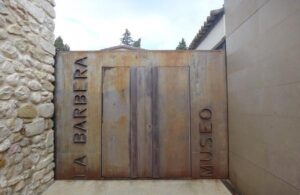
Espai d'Art Contemporani La Barbera is an exhibition space attached to the La Barbera dels Aragonés House Museum, dedicated to promoting contemporary art. It hosts temporary exhibitions and, on occasion, recitals, concerts, presentations, and other small-scale cultural activities.
Vilamuseu
City Museum and headquarters of the La Vila Joiosa Network of Museums and Monuments.
Vilamuseu houses artifacts from each of the civilizations that have lived in La Vila Joiosa and is considered a particularly accessible museum. It opened its doors in 2016 and is home to the Bou Ferrer Shipwreck Interpretation Center. It also serves as the headquarters of the University Hall of the University of Alicante.
Accessibility of servicesAccessible locationCamino de Santiago
Unique places
Pal Street
"Carrer del Pal" is one of the streets with the richest seafaring tradition in the historic center of Villajoyosa. Its name refers to the areas where ropes and nets were once made and repaired, a task traditionally carried out by the fishermen’s wives. The street also preserves significant remnants of the old sea wall, which was part of the city’s defenses against pirate attacks.