

.png)

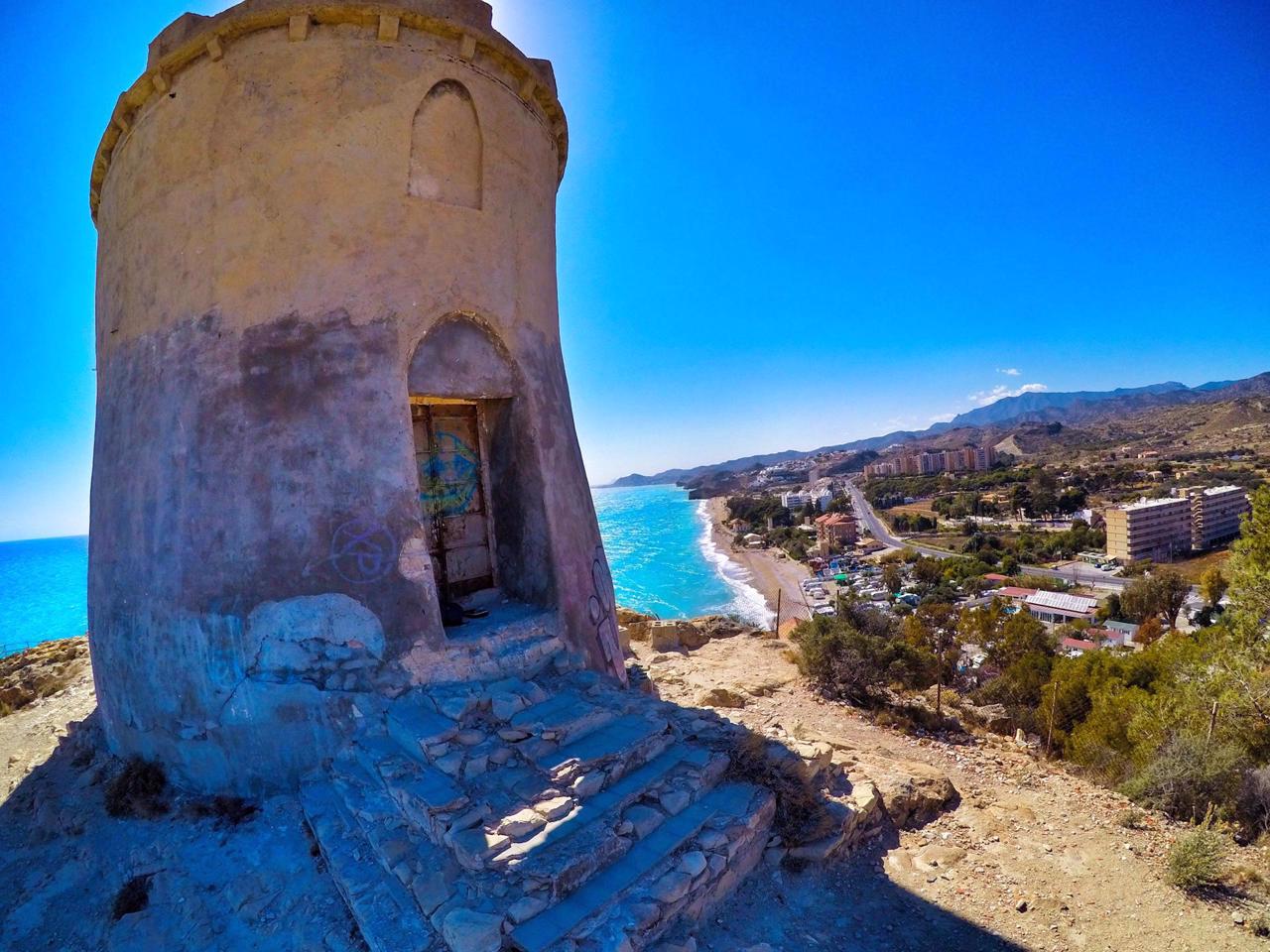
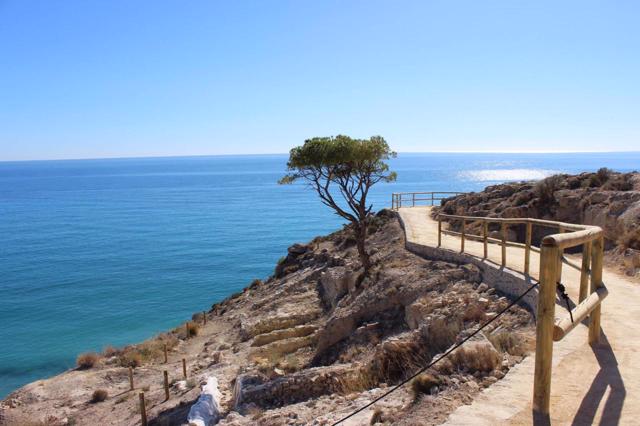
La Malladeta is a unique spot that allows us to gaze out over the Mediterranean while surrounded by nature. The “Tossal de la Malladeta,” with its incredible views of the Alicante coastline, can be reached by taking a stroll from the boardwalk itself, following the coastline toward Alicante. There, we find unique elements of La Vila Joiosa’s natural and historical heritage that have underscored the importance of this place, which has also traditionally been a popular spot for picnics during the San Blas festival, due to its proximity to the saint’s chapel.
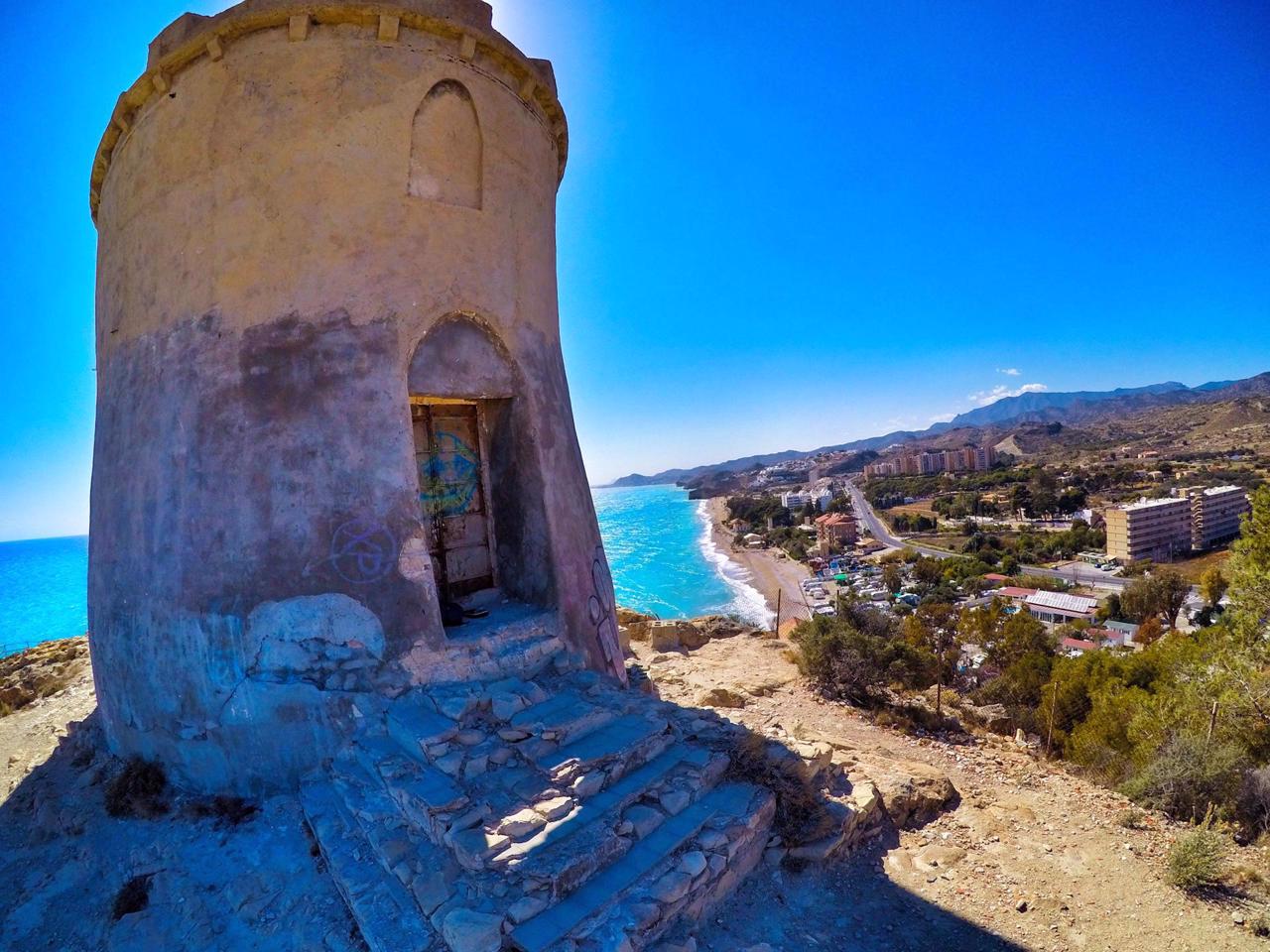
On one hand, the Iberian sanctuary, dedicated to the Mother Goddess (the Carthaginians’ Tanit), which stood on the slope and summit of the hill, where a 19th-century tower now stands. In 100 B.C., a major renovation razed the existing structures, and terraced rooms were built on the hillside; fourteen of these have been discovered, and their remains can be viewed and understood with the help of various explanatory panels.
According to findings from excavations conducted at the site, “at the beginning of the Roman Empire (around 25 B.C.), these rooms were abandoned, although some kind of temple continued to stand at the top of the hill. The sanctuary was completely abandoned around 80 A.D., and worship was likely transferred to the forum of the city, which had just been declared a municipium by Emperor Vespasian.”
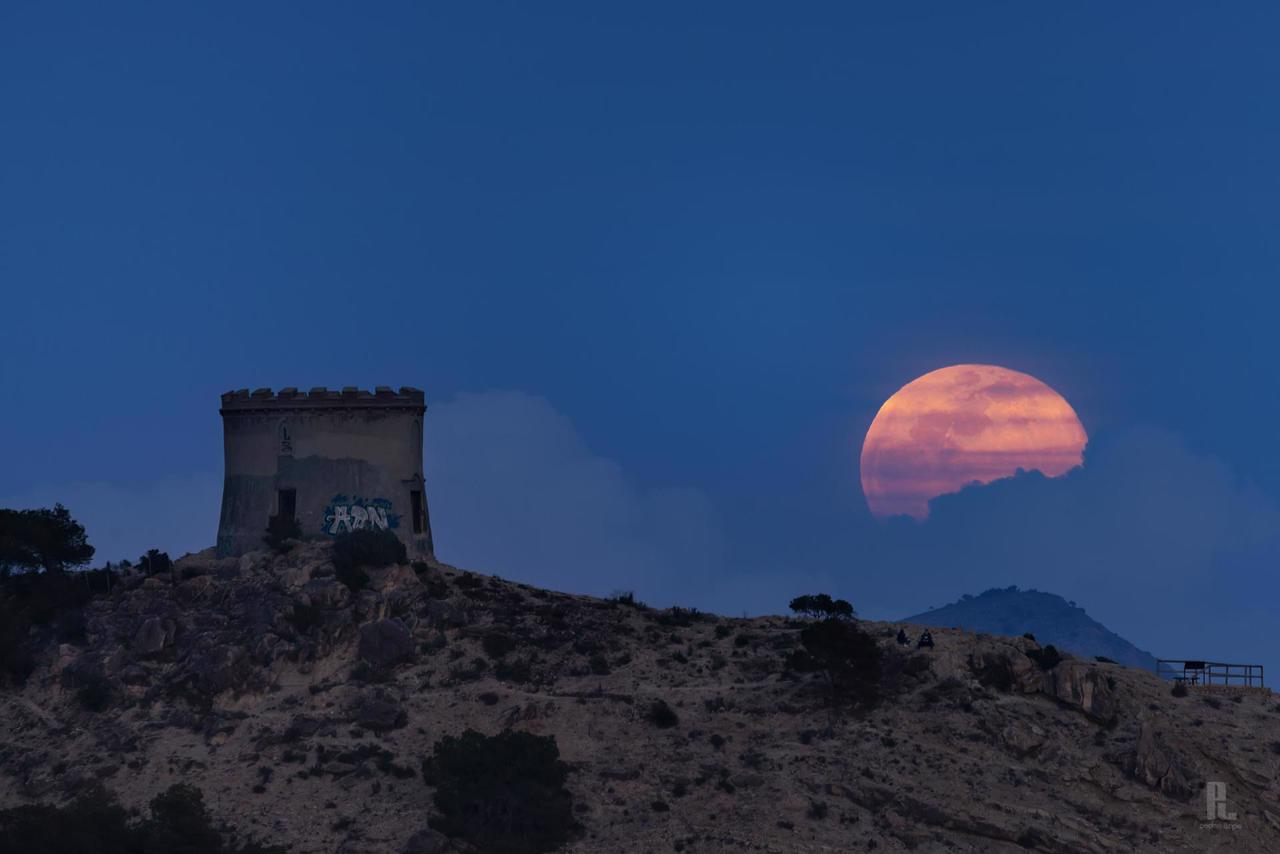
According to Iberian culture, sanctuaries were always built in magical, special places. Well, from La Malladeta, every March 21–22—the spring equinox, which marks the beginning of the agricultural year and was of great importance to this civilization—one can watch the sunrise over a place as special as the island of Benidorm.
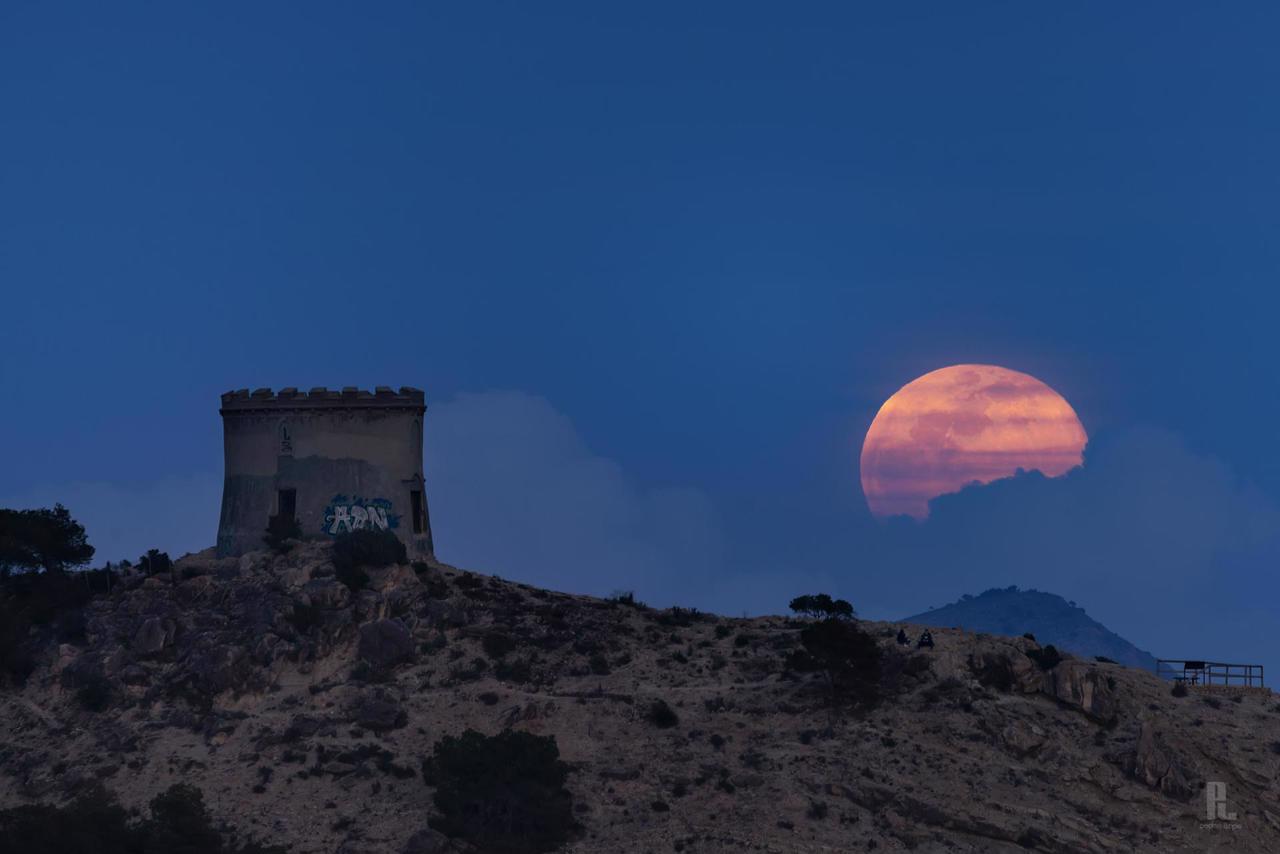
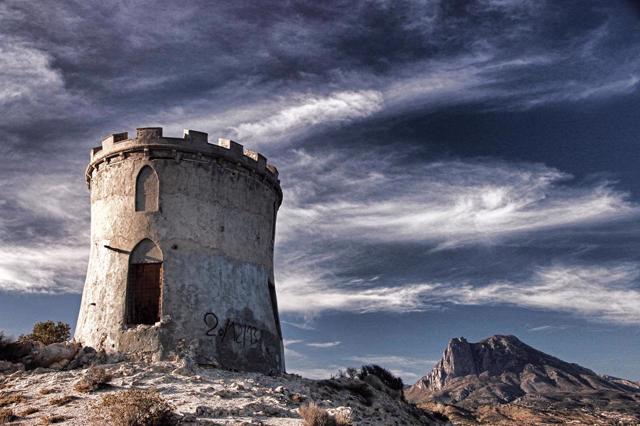
As for the tower located at the top of the hill—and although its appearance may be misleading, as it resembles a defense tower against pirates—it was commissioned in the late 19th century as a place of study by the famous politician, leader of the Republican Party, and psychiatrist Dr. José Mª Esquerdo. Furthermore, from there he oversaw the psychiatric wards of the sanatorium he owned in La Vila, located on Paradís Beach.
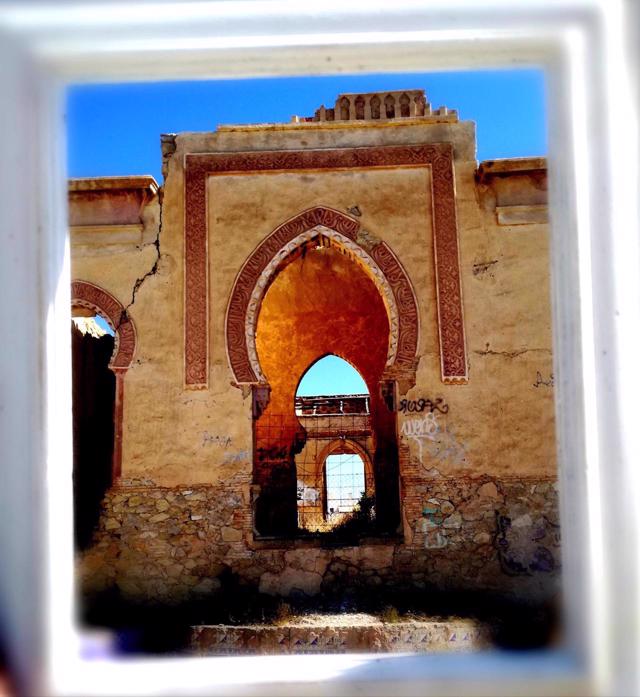
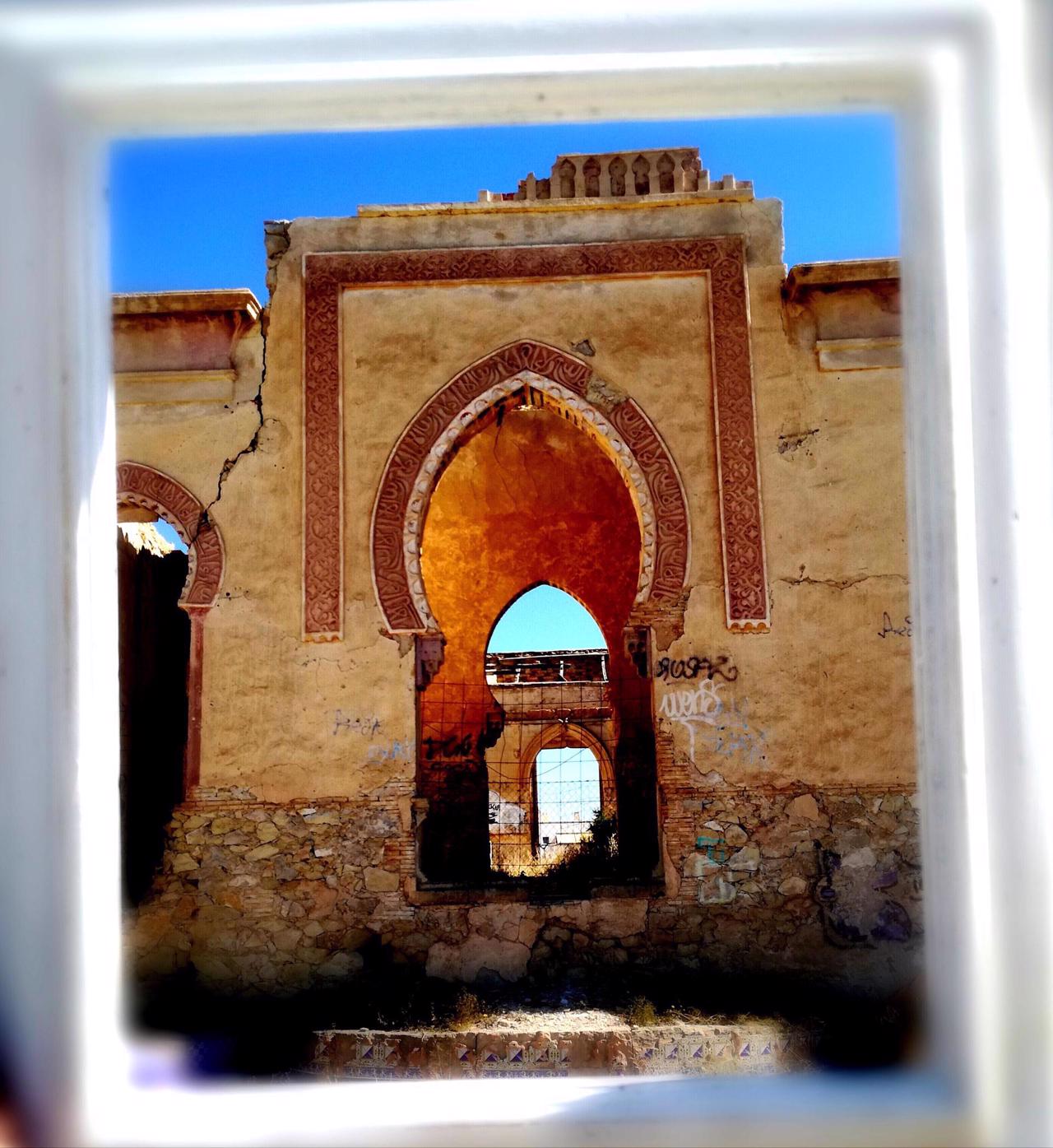
On the other hand, there are the ruins of “Villa Giacomina.” This rural mansion, built in 1920, belonged to Dr. Alfonso Esquerdo, the nephew of psychiatrist Dr. Esquerdo. It is a building in the late historicist style, featuring rich architectural decoration that blends symbols of the three religions (Jewish, Islamic, and Christian). This, along with the checkerboard pattern of black-and-white tiles and other architectural details, has led to its association with Freemasonry.
After the civil war ended, this mansion served as the residence of Dr. Bastos, director of the Swedish-Norwegian Hospital in Alcoy. Part of this hospital was relocated to La Vila Joiosa when the Italians bombed it.
Work is currently underway on a project to research and restore the building. In short, “La Malladeta” is a hill steeped in history that also allows us to enjoy nature—just a few meters from the city center—with the area’s native vegetation, including white pines and Aleppo pines, and a network of trails offering views of the Mediterranean. For the more adventurous, this area is also home to “La Cala de la Malladeta”—a small, charming cove with rocky shores and crystal-clear waters. Though difficult to reach amid the cliffs, it’s well worth a visit.