

.png)

La Vila Joiosa, its people, and its history have been shaped by the sea. Its twelve kilometers of coastline with thirteen beaches, its traditional fishing industry, its Royal Shipyards—which by 1860 had become Spain’s second-largest naval registry—and its historical importance as the region’s main port for both passengers and cargo… are just a few facts that help us understand how the sea has shaped the destiny of this town and its people. That’s why La Vila Marinera is a must-see for anyone who wants to discover and understand the open-hearted nature and unique character of this town on the Costa Blanca.

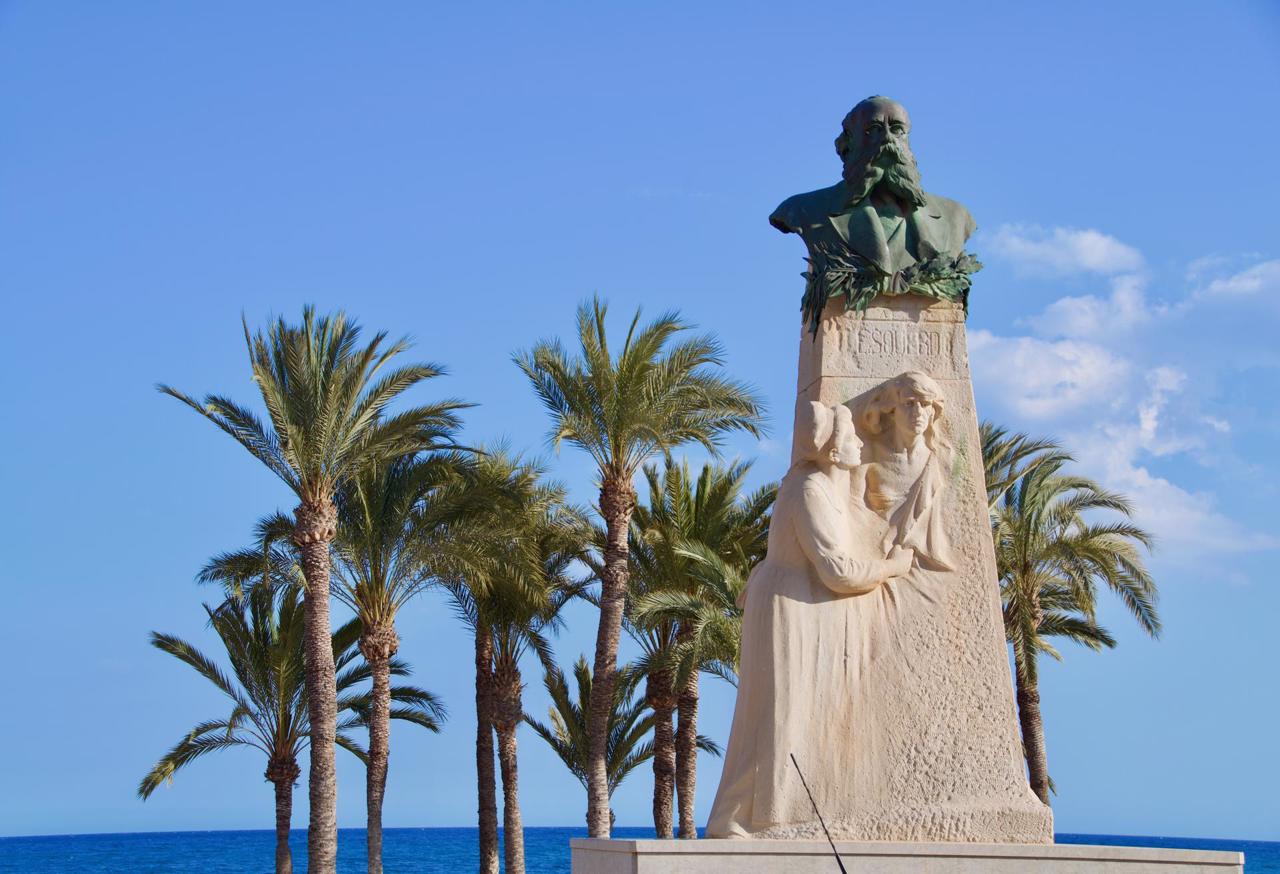
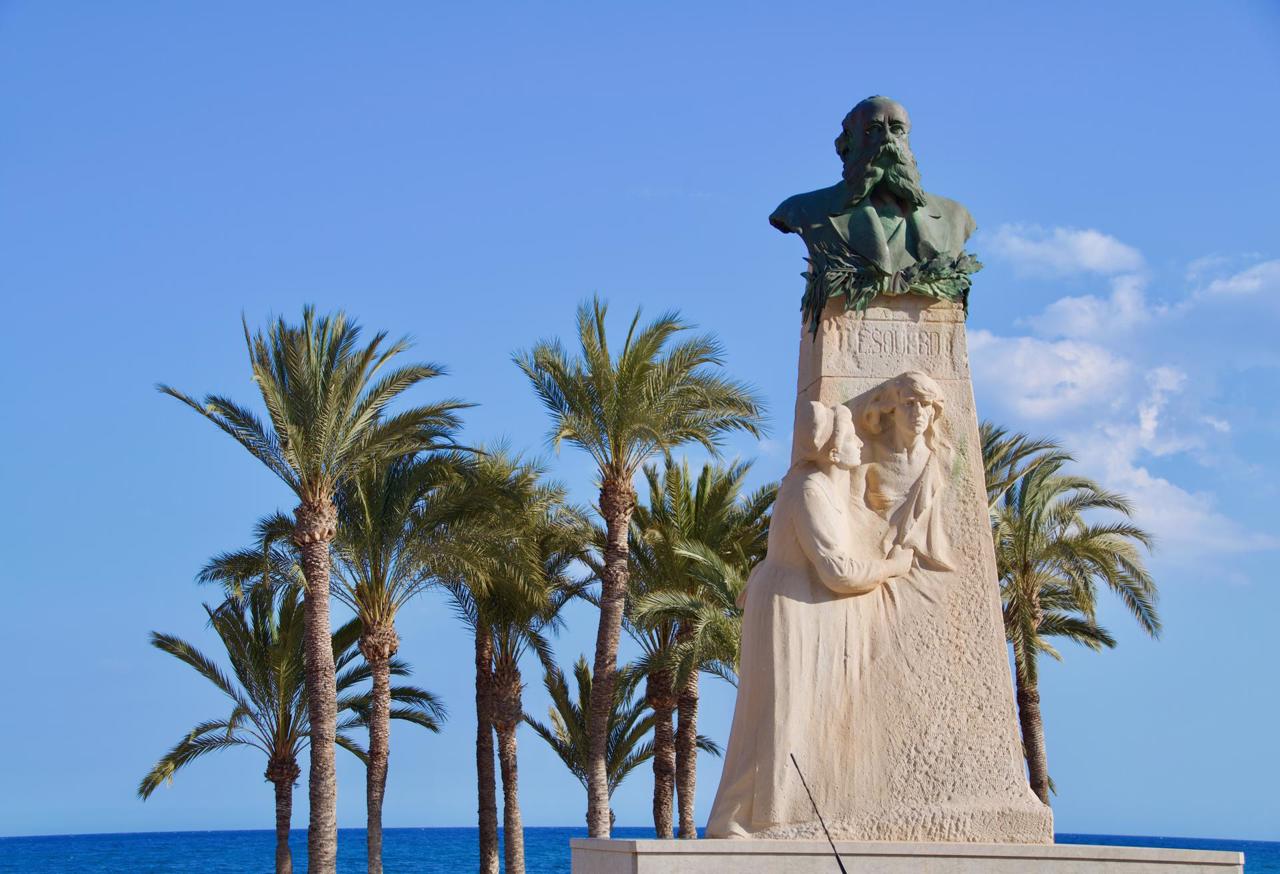
The seaside front of La Vila Joiosa is full of color and history. There are several ways to reach the town’s boardwalk, where you’ll find Playa Centro—a sandy beach more than 1.5 kilometers long. We recommend taking the path down Costera de la Mar, which allows you to admire the Renaissance walls surrounding the town’s Old Town, one of the best-preserved in the Valencian Community. This path brings you right in front of the statue of Dr. Esquerdo, a distinguished native of La Vila Joiosa who served as national leader of the Republican Party and is considered the father of modern psychiatry—and after whom the promenade is named.
The northern section of the boardwalk leads us to the city’s Historic Center, to the fishermen’s neighborhood where residents painted their houses in different colors so they could be distinguished from the sea. An attractive and colorful waterfront façade invites us to wander through the narrow streets and discover every nook and cranny of this old town—a prime example of the traditional polychromatic style of the western Mediterranean, alongside Malta, Girona, or certain Venetian neighborhoods.
If we continue north along the promenade, we’ll reach the Arsenal area, where the Amadorio River flows into the sea. The restoration and conversion of the riverbed into a park have turned it into a beautiful and pleasant place to stroll, offering a view of La Vila Joiosa’s most photographed and “famous” sight: the colorful houses against the Renaissance city wall.
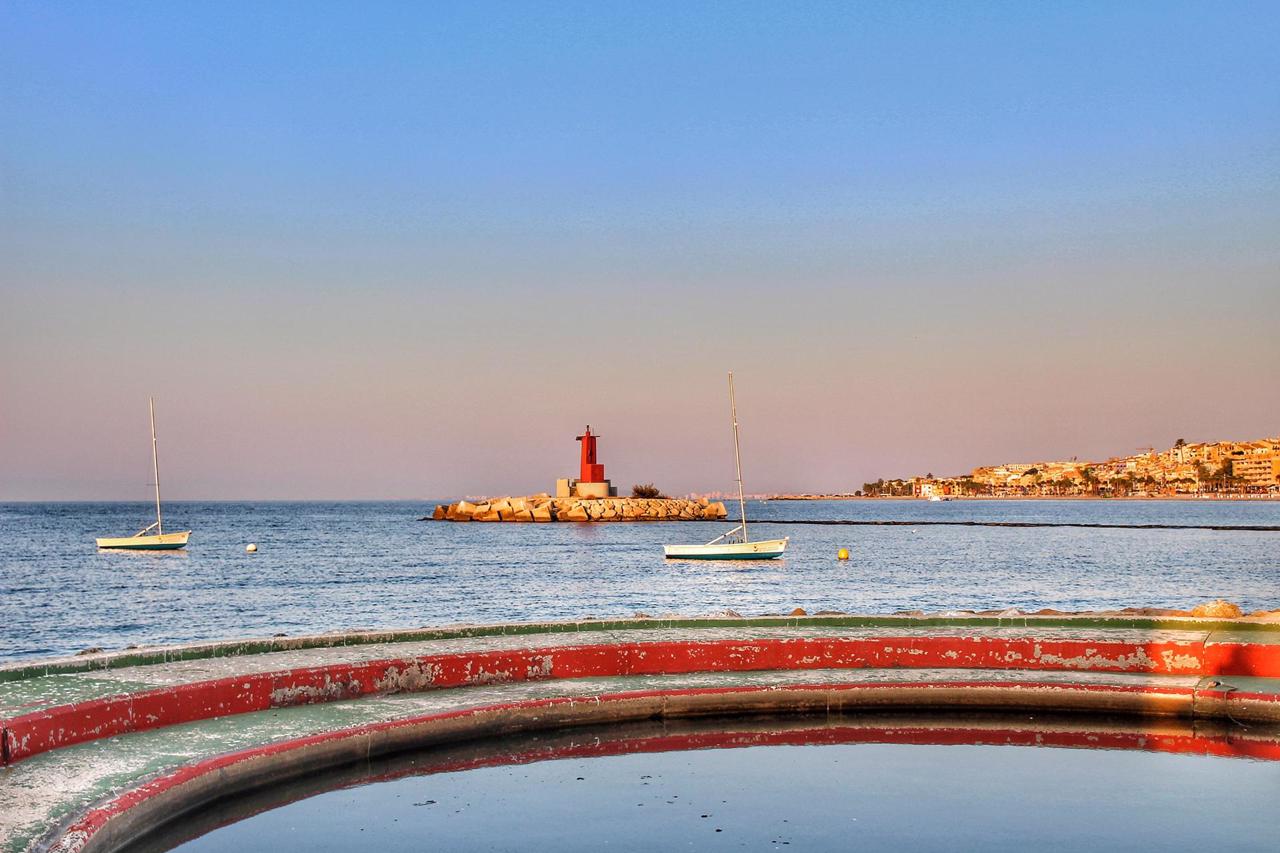
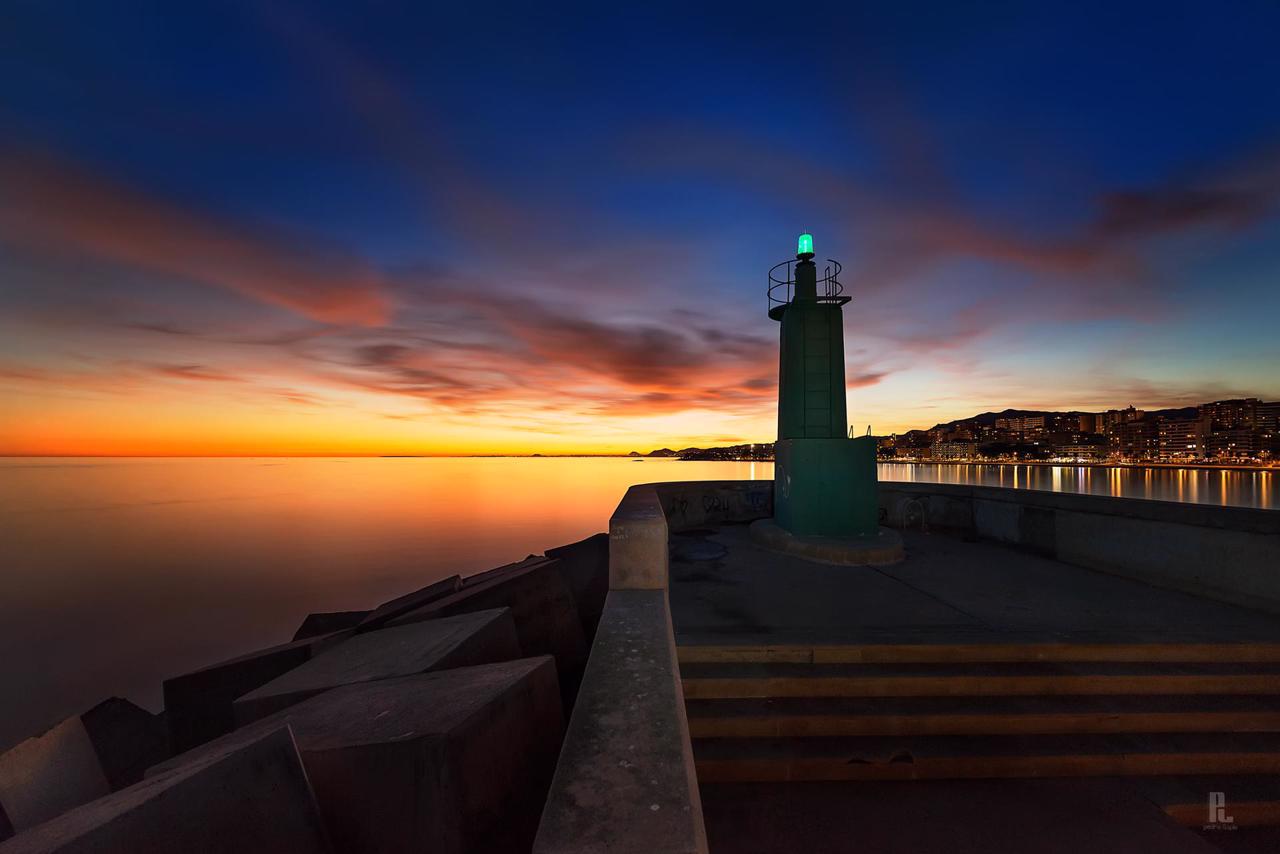
The southern section of the promenade takes us along the entire length of Playa Centro, following a cultural trail that introduces us to some of the interesting facts about La Vila Joiosa’s recent past, such as the Neptuno Spa and the lighthouse, which were once located on this beach but unfortunately disappeared during the 20th century. The end of the beach is called “Basseta l’Oli” (Little Oil Pool) because of its calm waters. In fact, this area is home to the “Accessible Beach” site, which was a pioneer in its day and offers people with limited mobility the opportunity to enjoy refreshing swims in the sea during the summer.

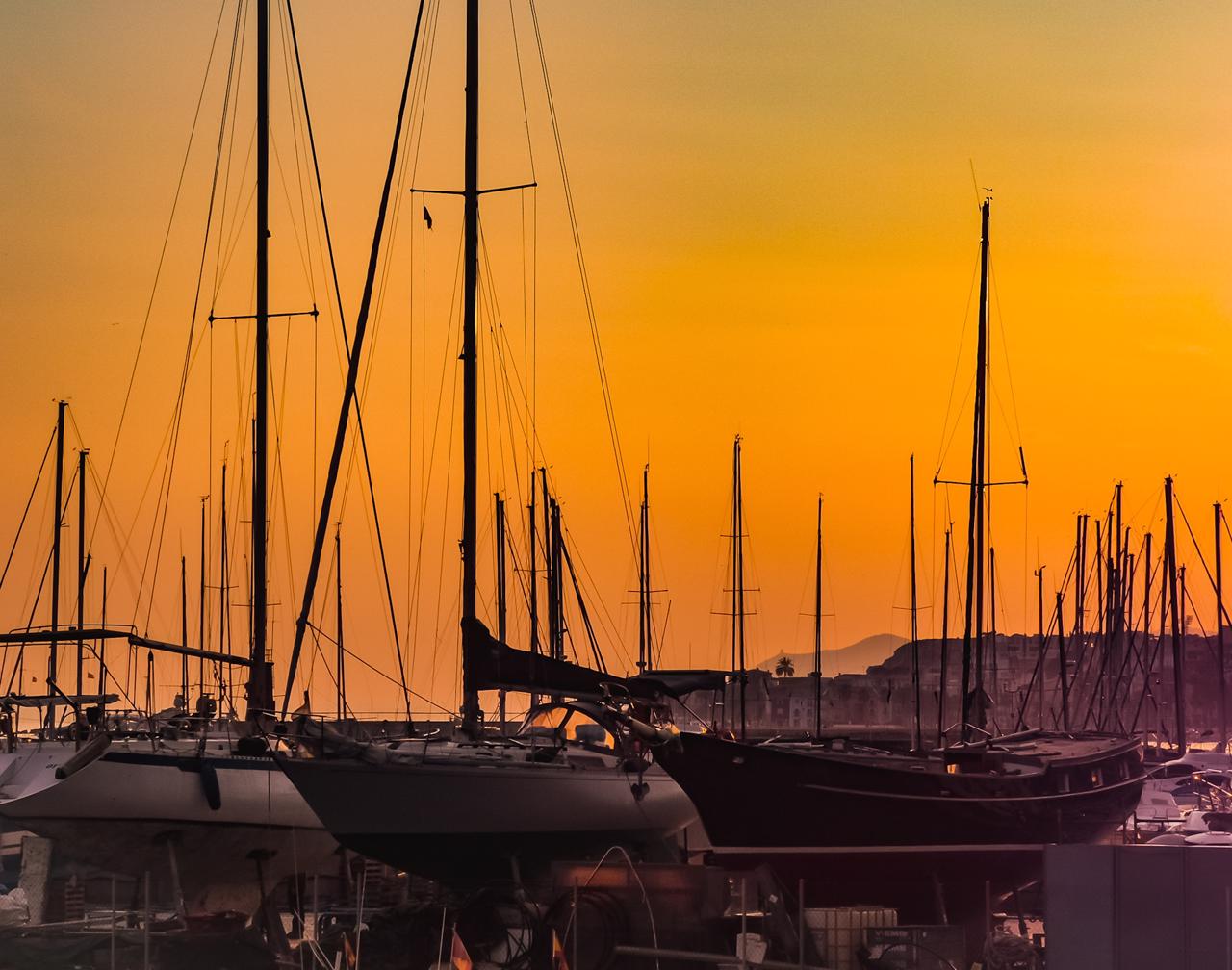
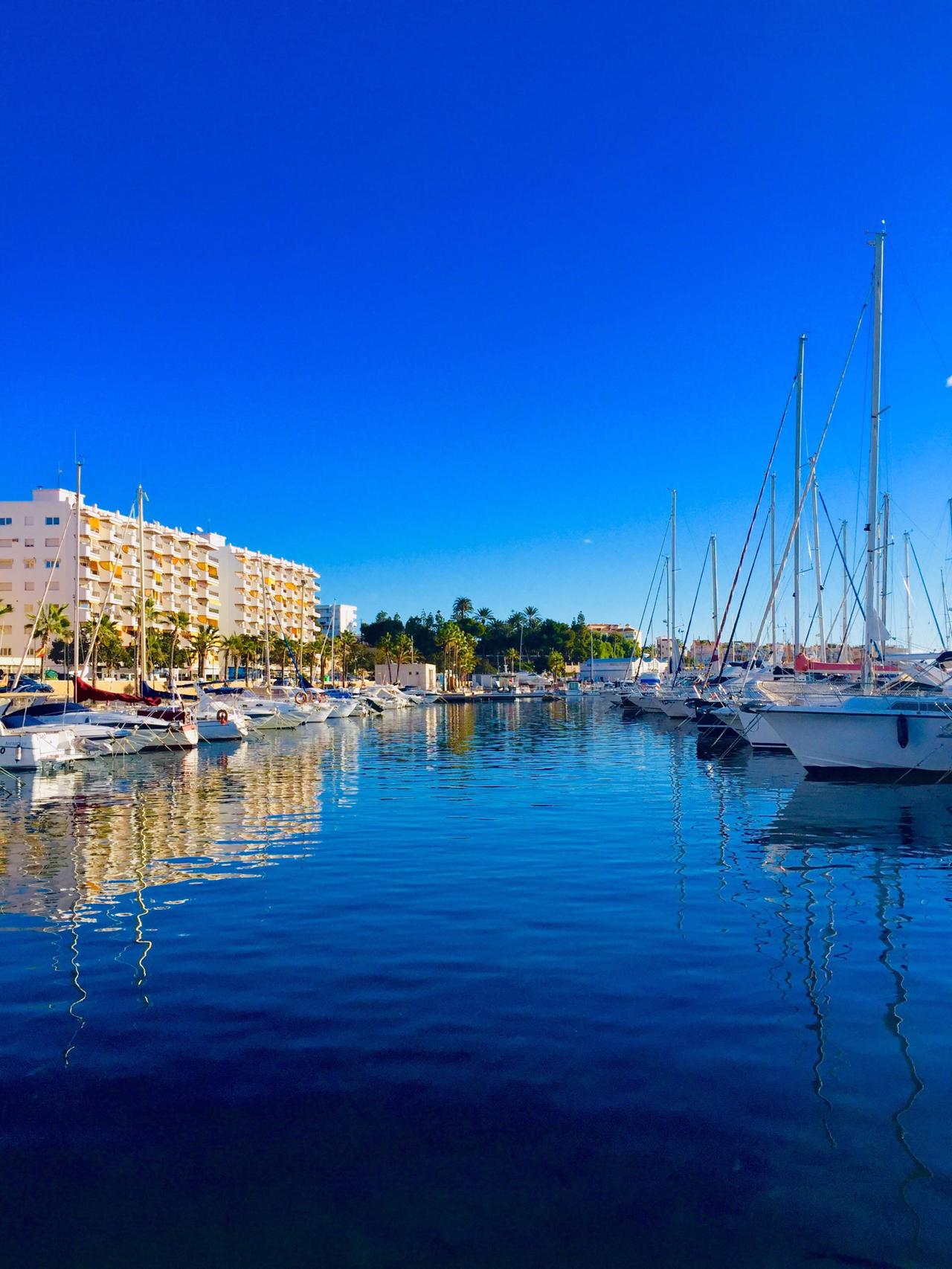
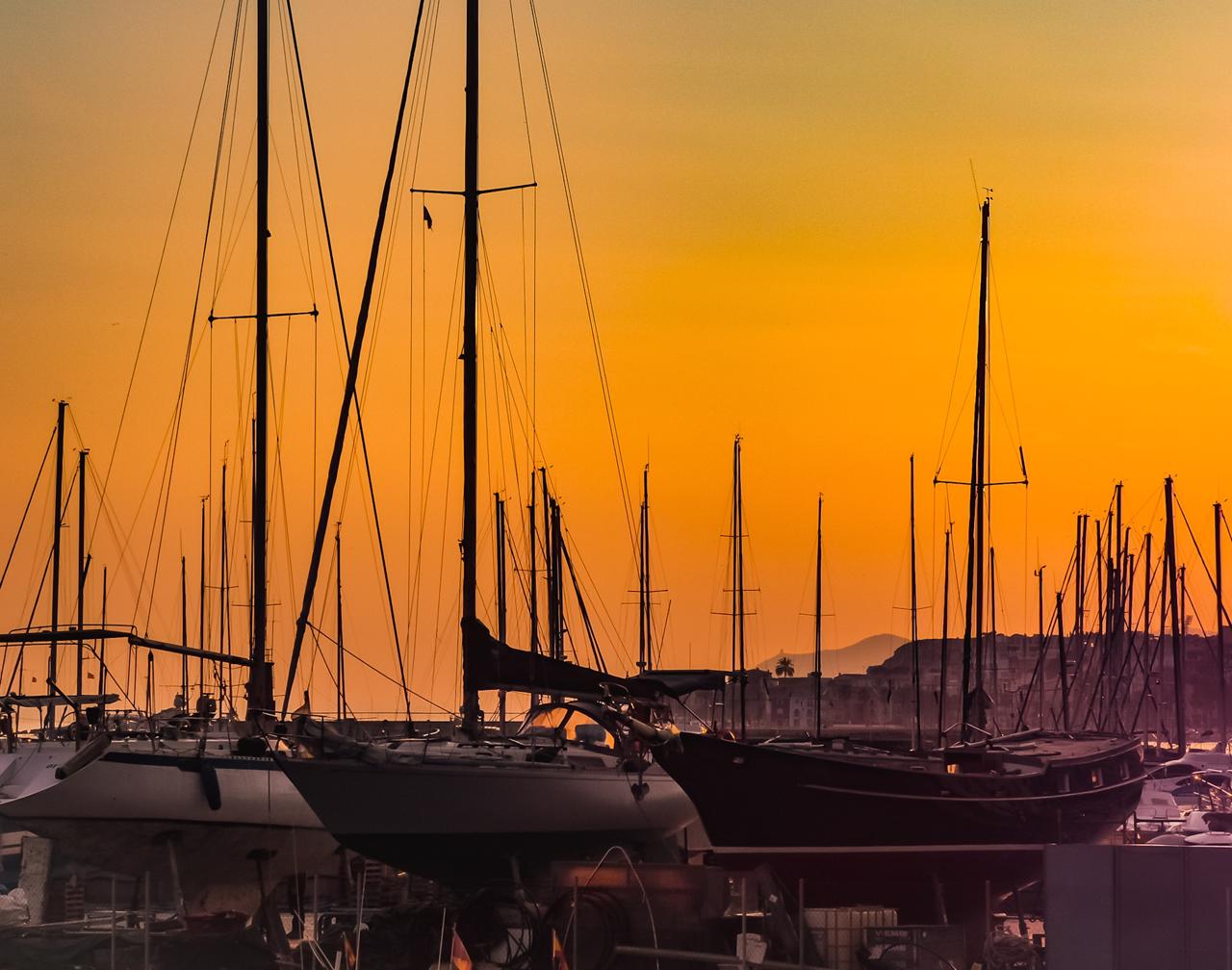
Following the boardwalk, next to Playa Centro, we find the marina. The Club Nàtic La Vila was founded in 1964 with the goal of fostering a passion for all forms of water sports. It has more than fulfilled this mission, as its facilities—including its “Escola de Mar”—offer instruction and opportunities to practice countless water sports such as kayaking, sailing, scuba diving, rowing, and windsurfing.
It also boasts several teams that have won major national and international titles in various disciplines, and it organizes national and international events such as the Kayak Eurochallenge, held annually in May, and the 2018 European Kayak Championships.
Since 1995, it has received the “Blue Flag” annually as a mark of recognition for the maintenance and improvement of its facilities and, above all, for its impeccable management in accordance with environmental standards, such as waste recycling and the organization of environmental protection and sustainability activities.

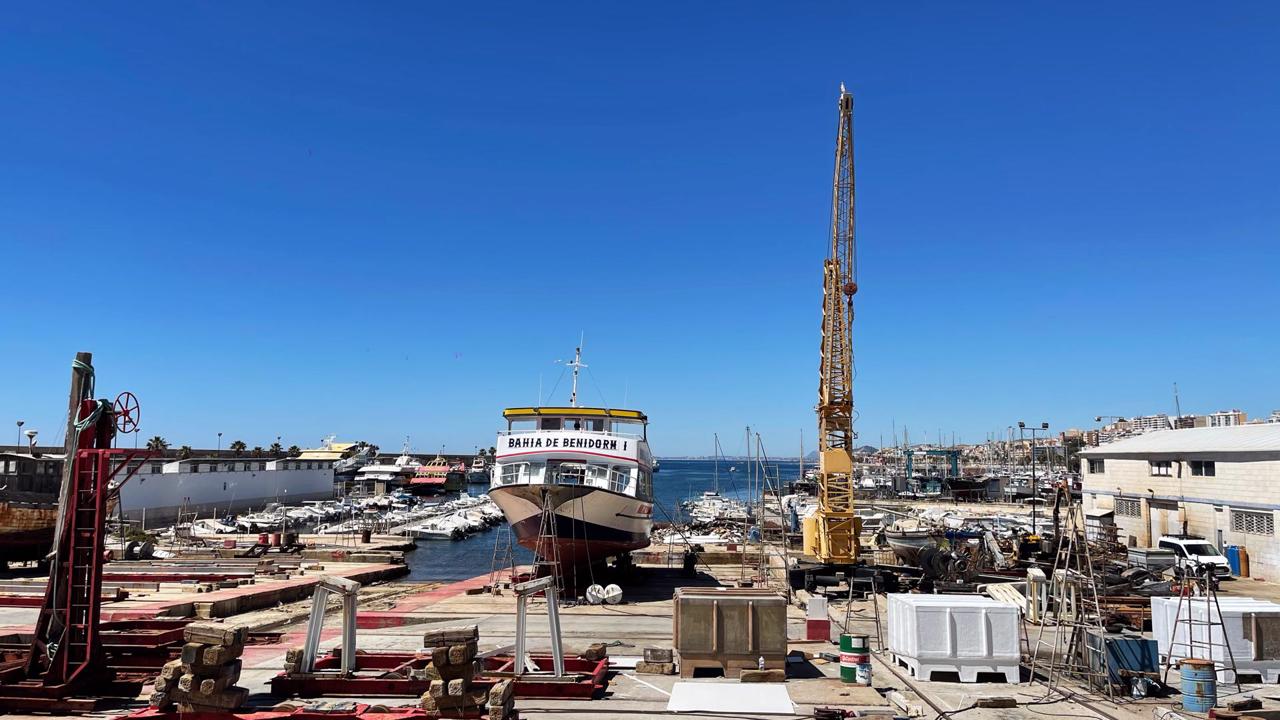
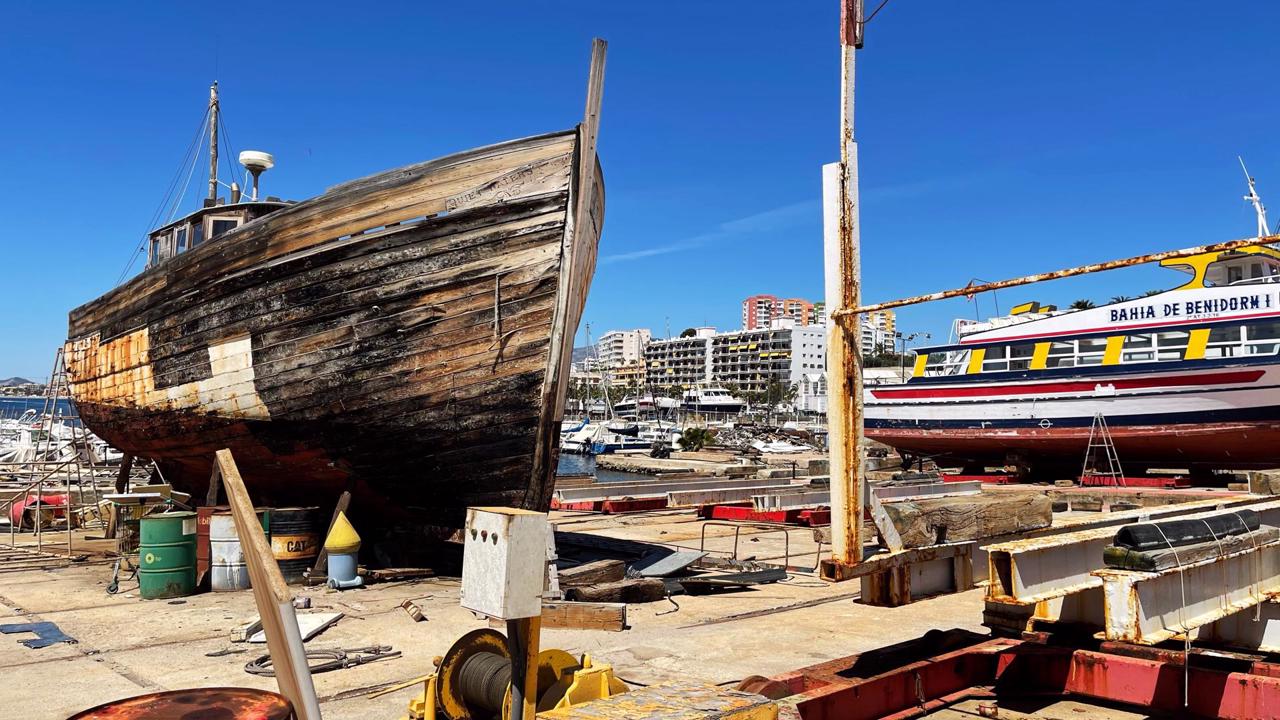
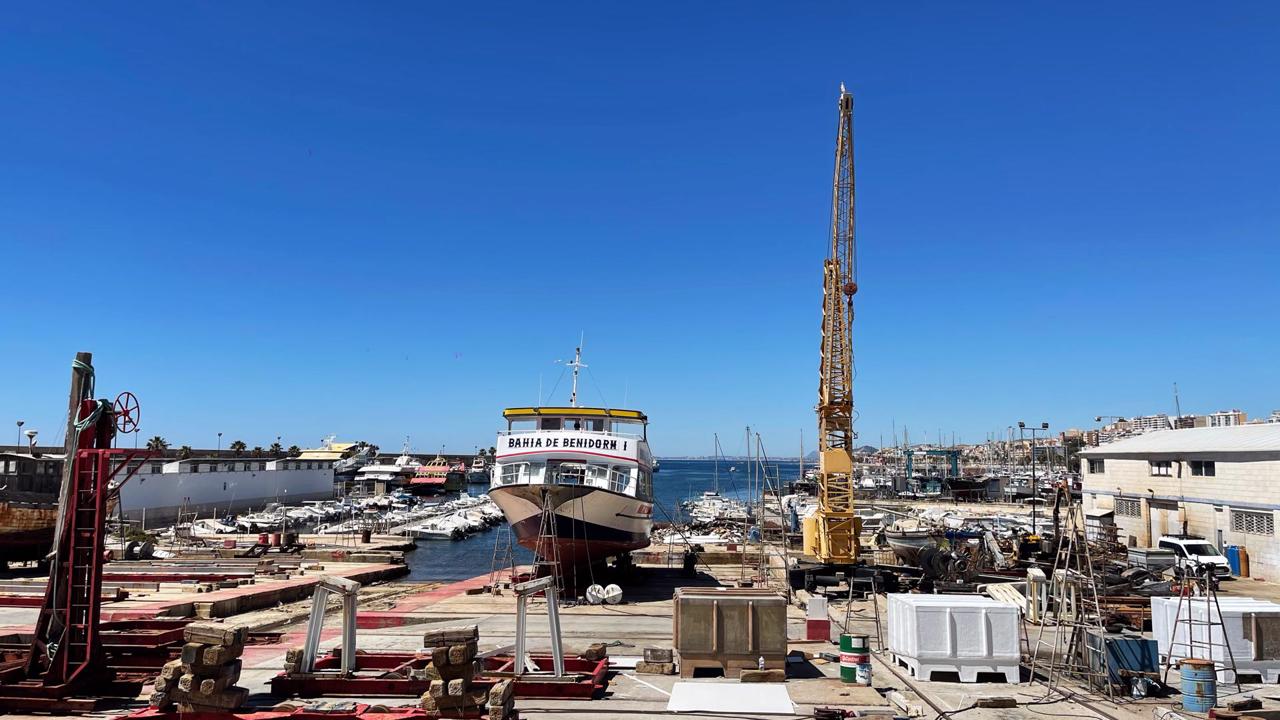
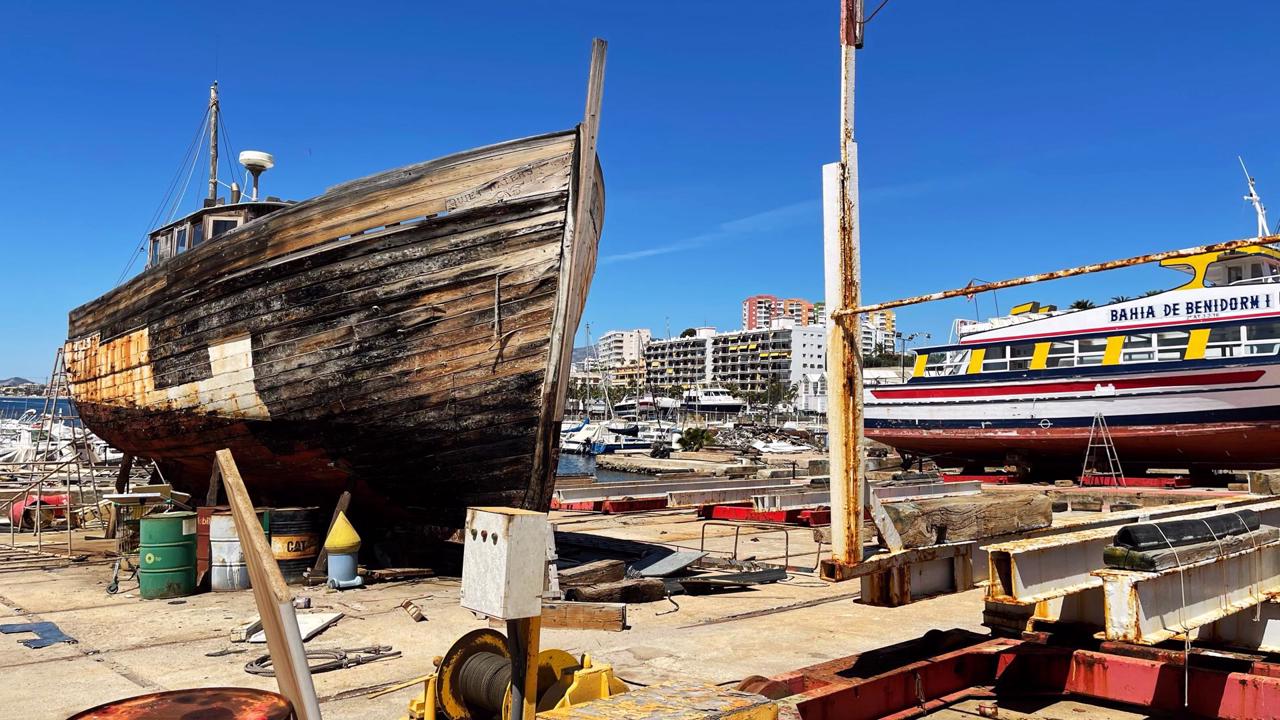
Across from the marina, we can see the fishing port, which we’ll reach as we continue along the boardwalk. Before reaching the harbor, we come across the “Santa Marta Shipyards,” a reminder of the importance of shipbuilding in La Vila Joiosa. Since the 15th century, the shipyards had been located in the arsenal, where ships were built for the Crown and privateers, but during World War I, the largest schooners and pailabotes were built there—sailing ships weighing nearly 400 metric tons that required deep water for launching—so in 1918, operations were moved to this area known as Alcocó.
It was shortly before the shipyards were moved to this area, in 1911, that the residents of Viler took advantage of King Alfonso XIII’s visit to ask him for a port. Previously, ships had anchored at Playa Centro, across from the old town.

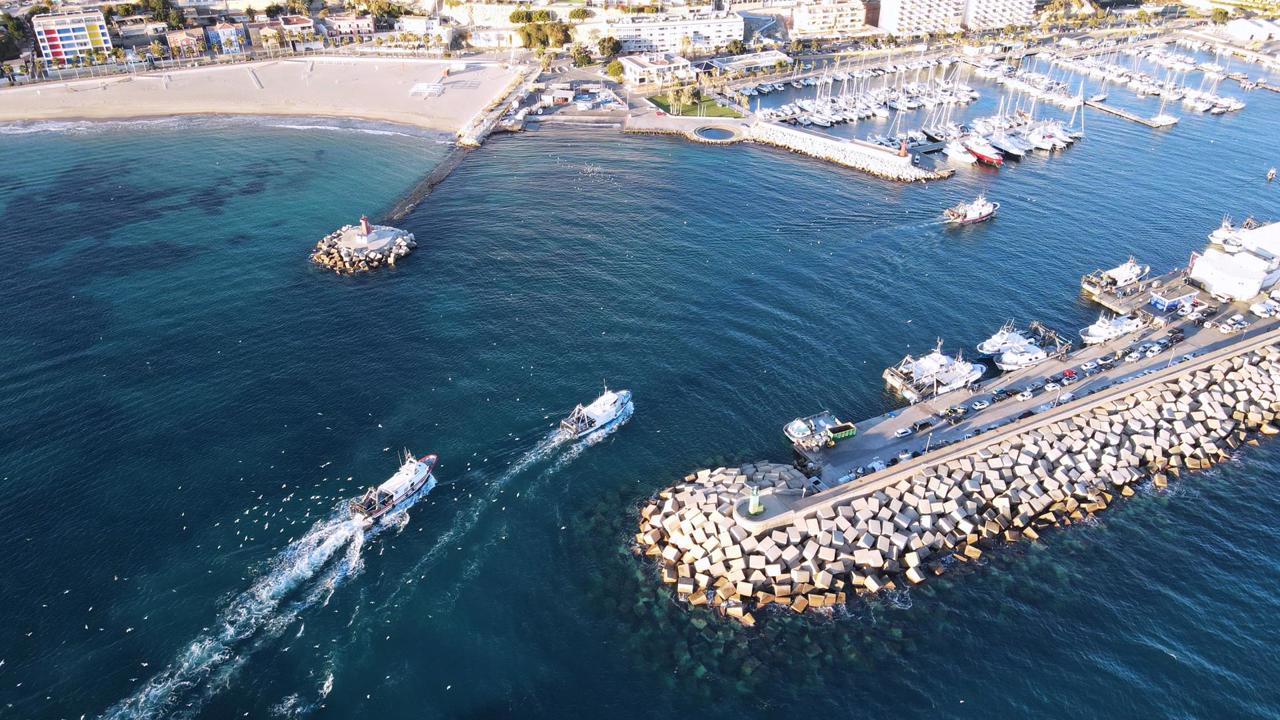
The king granted the request, and in 1917, engineer Juan Diamante drew up the plans. Although construction began in 1921, it was not until the 1940s that the first phase of the eastern port was completed. In 1960, the port was expanded with the addition of the western breakwater, the marina, and the yacht club.
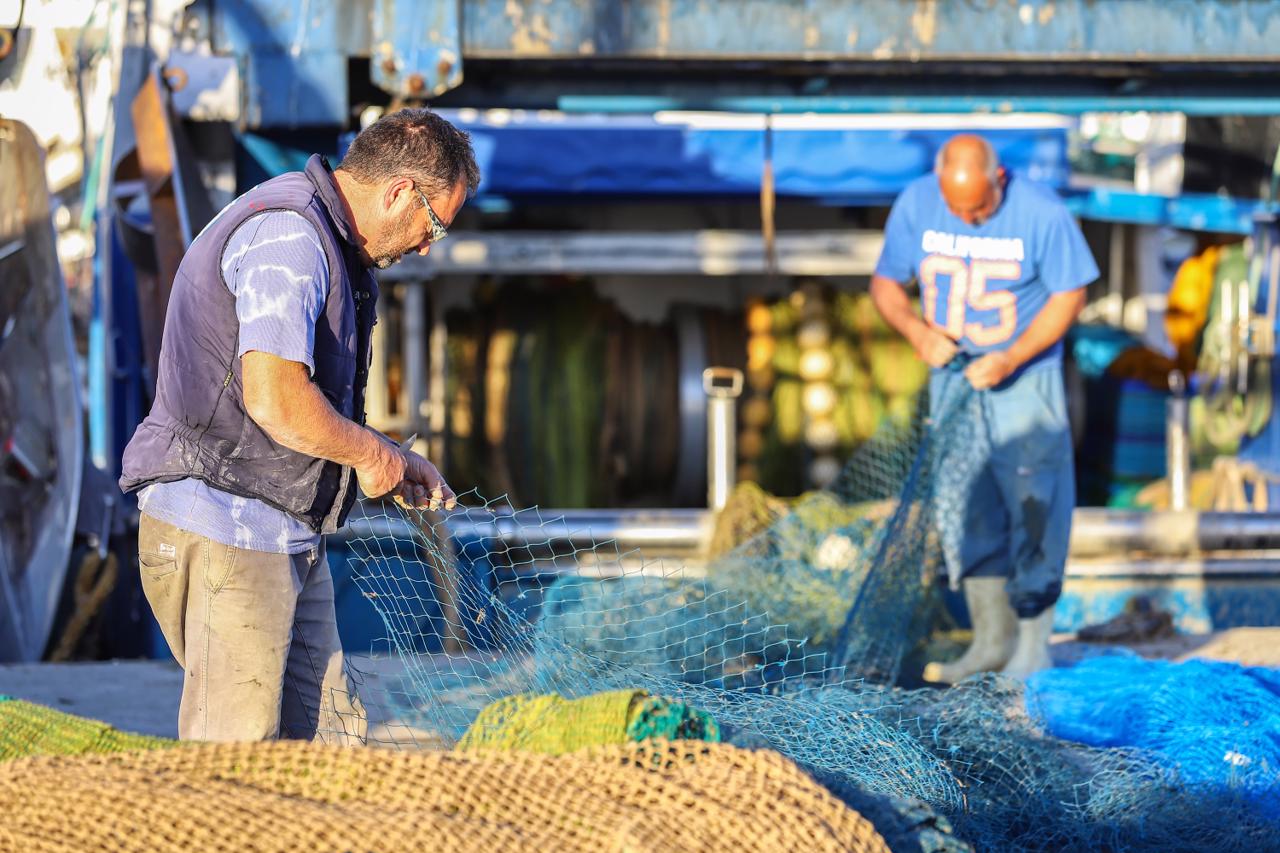
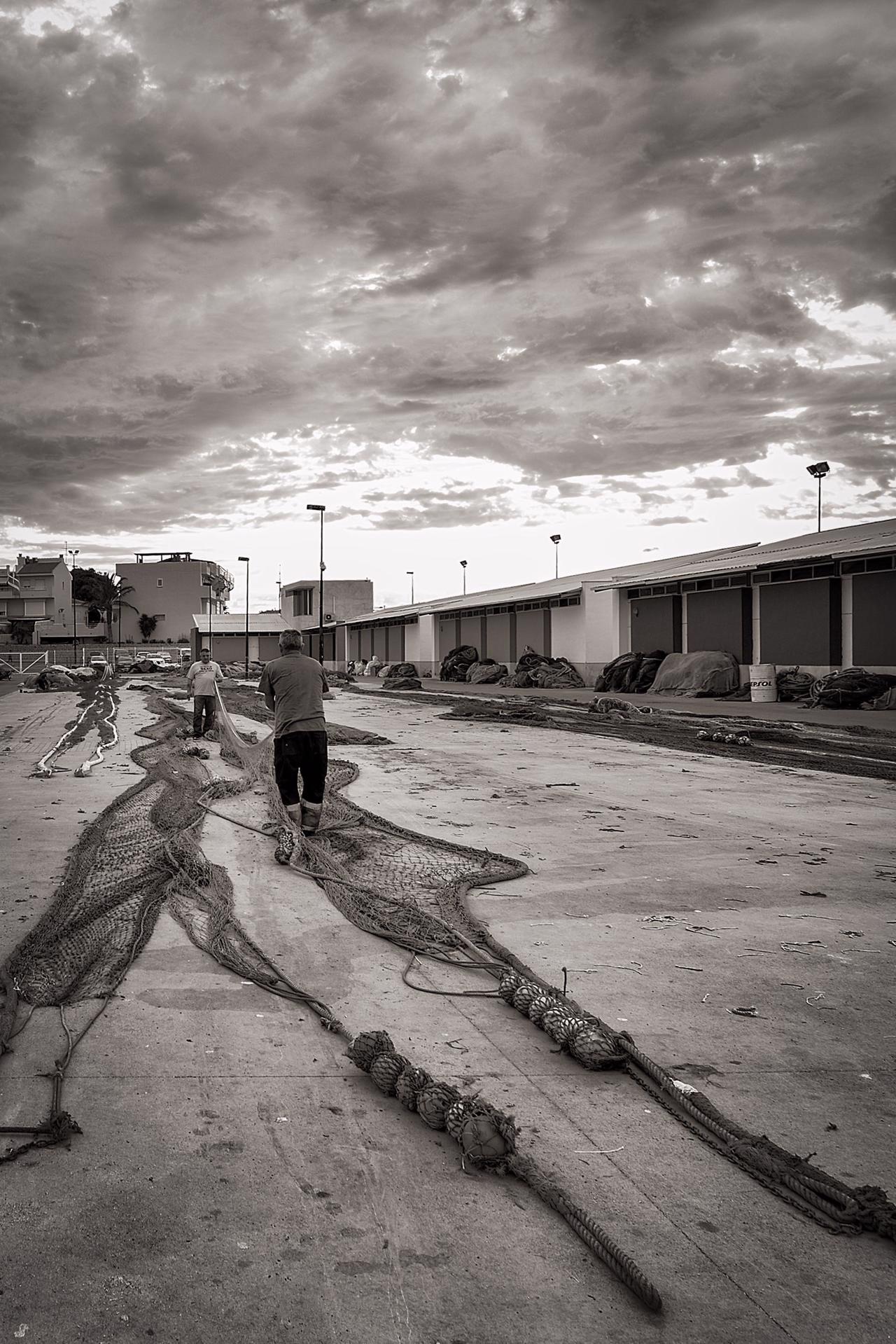
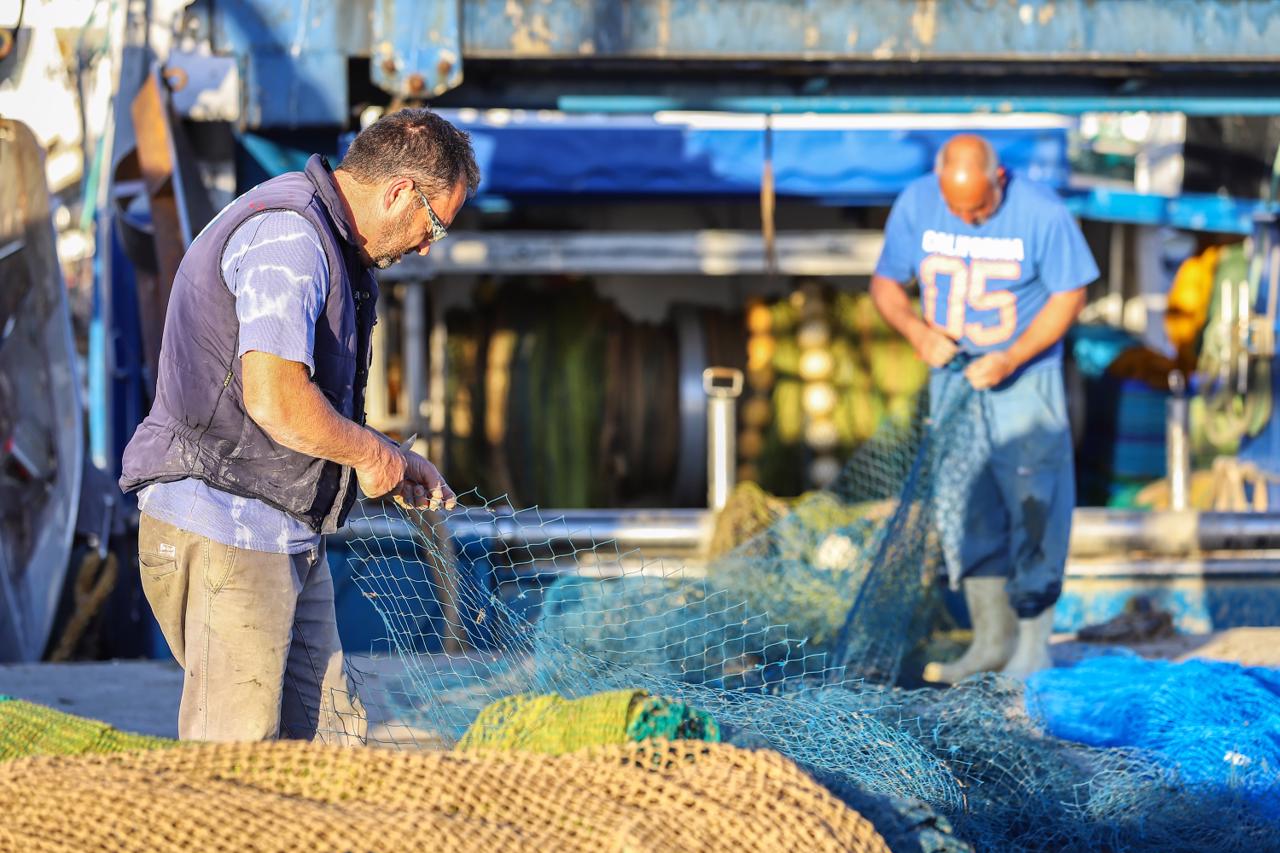
This port is currently home to a fleet of 38 vessels—thirty trawlers and eight trammel net boats. Every afternoon, the boats return to port surrounded by seagulls in search of food. It’s a true visual spectacle—one that, though a daily occurrence, never ceases to be captivating—a scene worth contemplating and capturing. After maneuvering into the harbor and tying up, the unloading of the day’s catch begins. Crates upon crates of the freshest fish and shellfish are taken to the fish market for sale.
The Fishermen’s Guild is responsible for managing the sale of fish and seafood at the La Vila Joiosa Fish Market. So every afternoon, Monday through Friday, starting at 5 p.m., wholesalers, restaurant owners, onlookers, and tourists fill the stands of this fish market, where fish and shellfish are sold through a “downward auction.” On Thursdays and Fridays, sales volume increases as fishing boats operating in the Balearic Islands also bring in their catches. The auction ends when “all the fish has been sold.”
From the fishing port, in addition to feeling the breeze and the scent of the sea, swaying with the gentle rocking of the moored boats, and immersing ourselves in the hard, traditional work of fishing… From there, we can enjoy incredible views of La Vila Joiosa Bay—a sight we absolutely must not miss under any circumstances.