

.png)

In the late 15th century, and especially in the 16th century, during the reign of Philip II, an entire system of defensive towers was built to spot the enemy before they could land to kidnap people, demand ransom, or sell them into slavery upon returning to their homeland. The defense district of La Vila Joiosa, which covered the entire Marina Baixa region, included four castles and five watchtowers. If Barbary ships were sighted, the alert was relayed via smoke and fire signals to the watchtowers in the agricultural areas within the municipality. The entire defense system was coordinated from the castle in La Vila Joiosa, which has now been converted into a park featuring various informational panels. Of those defensive towers in La Vila Joiosa, two remain: the Torre de l’Aguiló and the Torre del Xarco.
Aguiló Tower
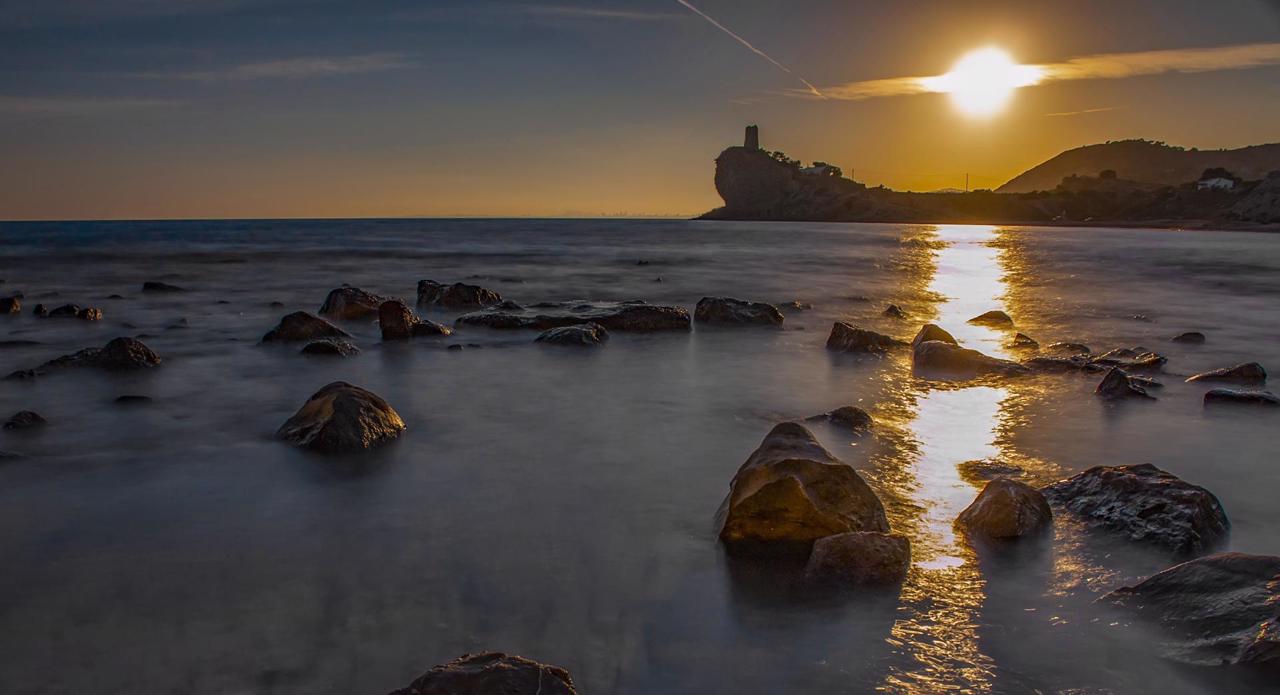
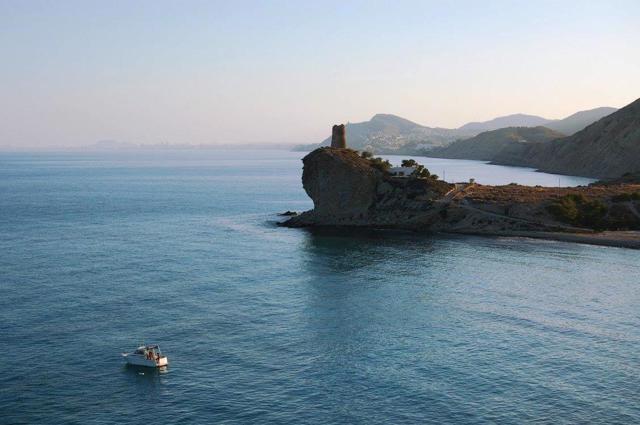
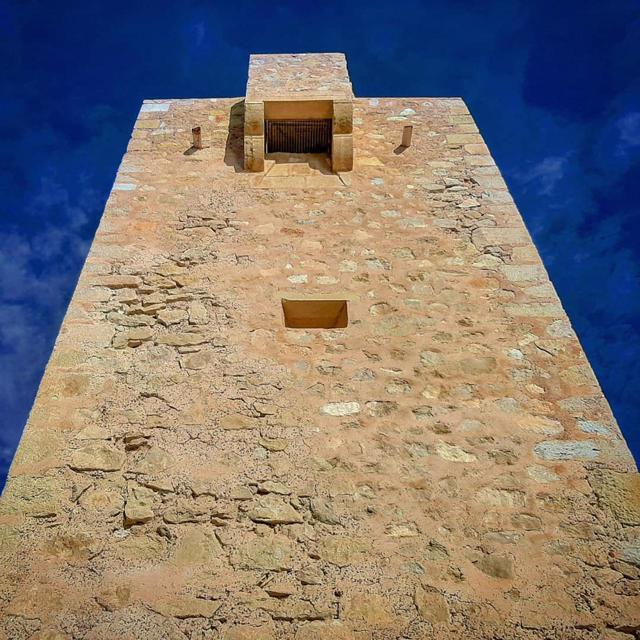
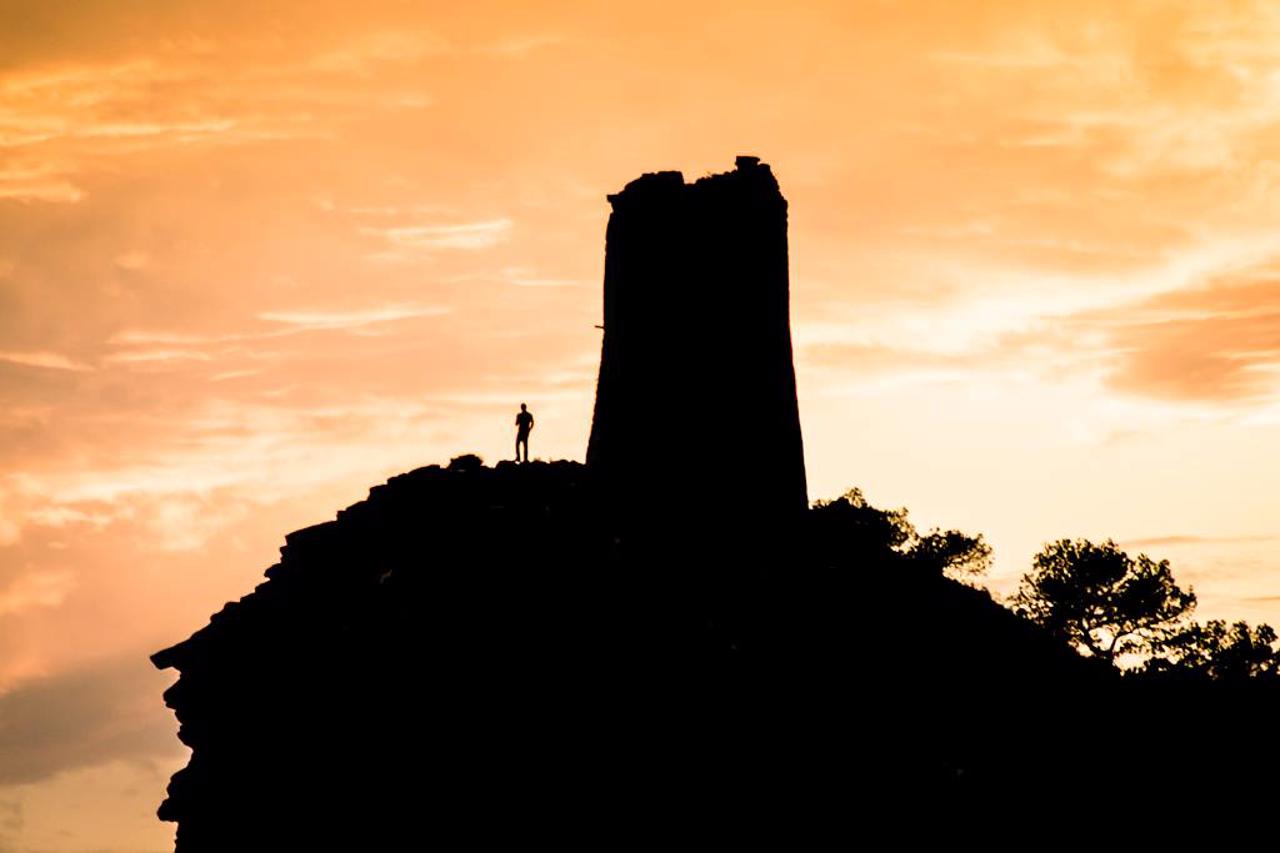
Built in 1530, it is the oldest surviving tower in the area. It is located at the northernmost tip of the municipality, in Cala de La Vila. It is a square tower with sides measuring four meters and a height of eight meters. According to the information panel at the site: “The tower was manned by three soldiers who inspected the neighboring coves every morning and were equipped with a long-range mortar to hinder landings at La Vila Joiosa and Benidorm. To warn of danger, a smoky bonfire was lit on the terrace.”
From the tower, there are exceptional views of the entire bay in the region, which is why signals from other locations—such as Calpe, San Juan, and Alicante—were even monitored from there.

The trail to the tower is a very pleasant hike of just over one kilometer that takes about an hour. From Cala de La Vila, there’s a designated path that makes it easy to reach the tower, where you can not only enjoy incredible views but also spot seabirds and the typical flora of our mountains, such as the white pine and Aleppo pine, and if we’re lucky, we might even spot dolphins out on the open sea.
You can also reach the Torre de l’Aguiló via the Colada de la Costa, an approximately 8-kilometer trail starting at Torres Beach that winds through cliffs and offers spectacular views of the Mediterranean.
Xarco Tower
It is the southernmost defense tower in the district of La Vila Joiosa. The tower has a circular floor plan seven meters in diameter, a cylindrical body, and is 12 meters tall. It is located on a coastal promontory about 31 meters above sea level in the southern part of Xarco Cove. From there, you can see Cape Santa Pola to the south and Benidorm to the north.
From La Vila Joiosa, there is also a low-to-moderate-difficulty trail where you can enjoy a walk among the cliffs, skirting the Mediterranean until you reach Xarco Cove. La Torre is privately owned, so you must ask the owners for permission to access it.