

.png)

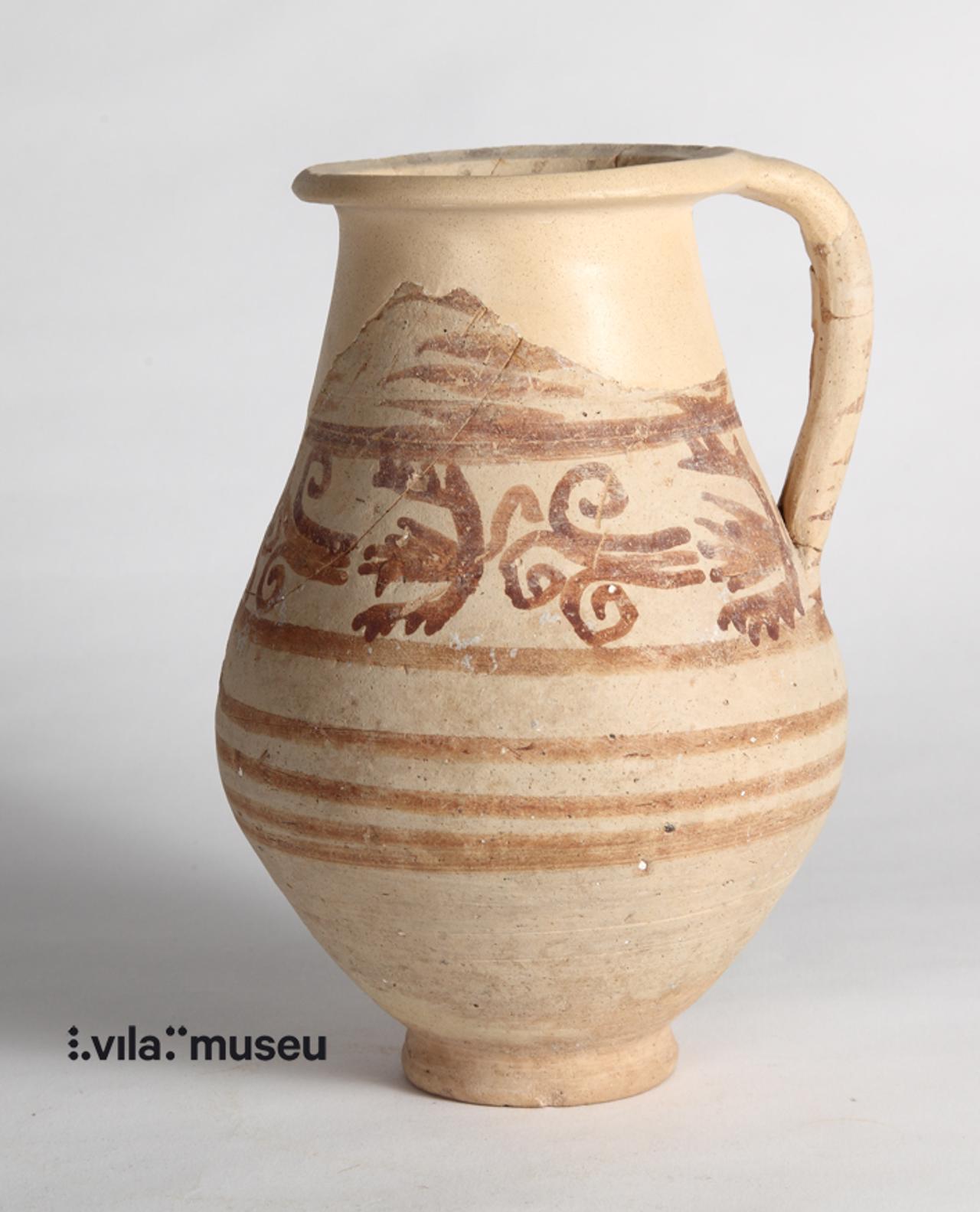
La Vila Joiosa is steeped in history. The town boasts a unique collection of archaeological artifacts that chronicle its history through the peoples who have inhabited this beautiful spot on the shores of the Mediterranean. The Phoenicians, Greeks, Etruscans, Iberians, and Romans settled here and left their mark. The earth has protected these artifacts for thousands of years, and little by little they are emerging from their slumber to bear witness to the city’s rich history.
At Vilamuseu, we can admire unique artifacts of extraordinary significance from all eras and civilizations, but perhaps the Roman era is the one that has held the most “surprises.”
A 30-meter-long merchant sailing ship loaded with lead ingots belonging to Nero, a large imperial public bath complex, a trench (Fossa Fastigata) that marked the boundary of a military camp housing 500 soldiers during the Sertorian Wars, the best-preserved funerary tower on the Iberian Peninsula, and the remains of a fishing gear workshop from the 1st century B.C. are among the most significant finds that demonstrate the importance and prosperity of Allon when, in A.D. 74, it was declared a Roman municipium by Emperor Vespasian. In addition, the Vilamuseu collection houses thousands of objects from the Roman period in La Vila Joiosa, such as a bone stylus (the “Bic” pen of the era), a bronze rattle bearing the face of the god Somnus, coins, grave goods…
Hot Springs
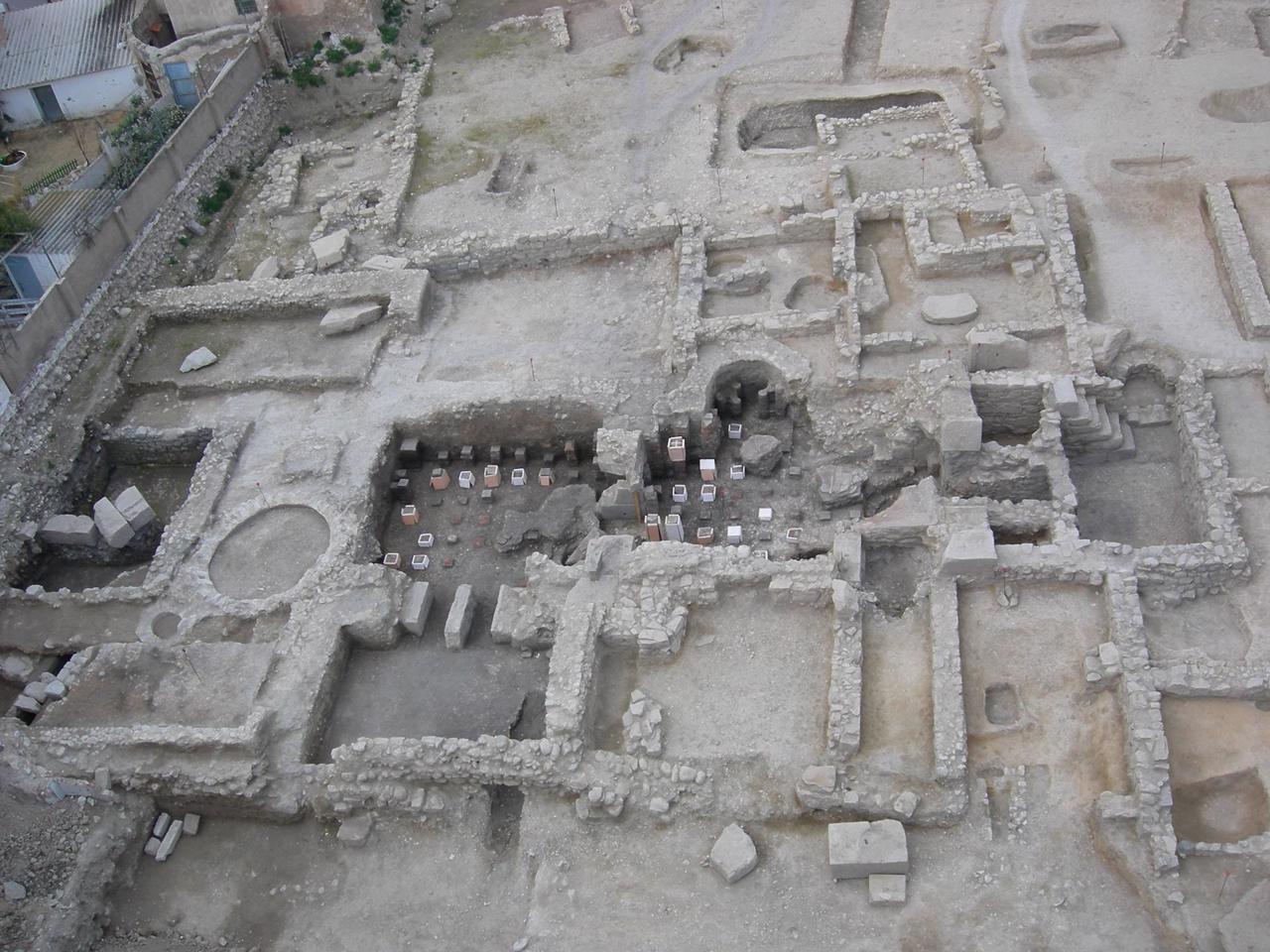
In 2006, the imperial public baths of the Roman municipium of Allon were discovered in La Vila Joiosa; they were built in the late 1st century A.D., a time when the Colosseum in Rome was being constructed and Mount Vesuvius was devastating Pompeii. The baths were found to be in very good condition and are, in fact, one of the best-preserved examples of Roman civil engineering in the Valencian Community.
In addition to the usual hot and cold pools, massage rooms, and saunas, the Imperial Public Baths of Allon also featured open-air spaces overlooking the river where people could exercise. At the entrance, where admission was charged, there may have been a bar and a street with stone sidewalks lined with “shops,” serving as a commercial district.

Furthermore, given its grandeur and location in the city center, it is believed that bathers would have entered through a monumental entrance leading from the city’s Forum (located beneath the current Plaza de la Generalitat). Given these characteristics and its large size, we can understand the importance and prosperity that Allon enjoyed after Emperor Vespasian declared it a municipium in A.D. 74. Its territory encompassed the entire region of what is now known as Marina Baixa, and within it were villages and towns, as well as stately residences such as those at Albir and La Pila in Altea.
But these thermal baths in La Vila Joiosa have been more than just an important archaeological discovery; they have provided evidence that Allon, the fourth and last Roman city in the province of Alicante, lies beneath the city center. They are currently covered up, and work is scheduled to begin next year on the Master Plan for Restoration and Enhancement.

Sant Josep Tower
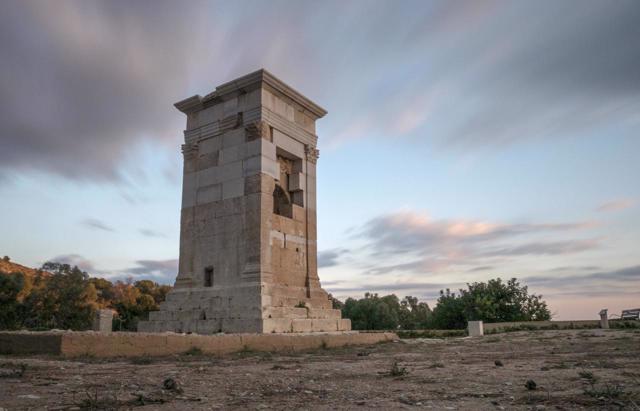
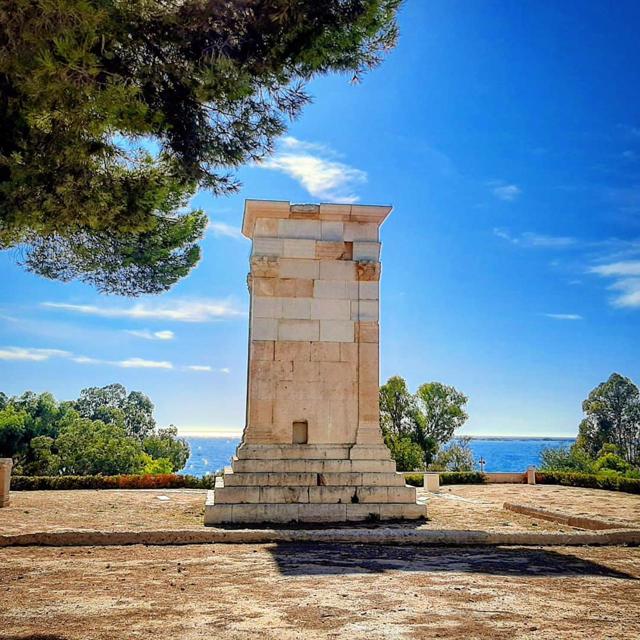
Very close to the Mediterranean, almost right on the shore, at Torres Beach, we discovered the Tower of Sant Josep. A funerary monument dedicated to Lucius Terentius Marcinus, it was built between 150 and 170 AD and is the largest of the three Roman funerary towers preserved in Spain. In 1543, when Barbary pirates destroyed the city walls, the stones from the upper part were removed to help rebuild them. Fortunately, some ashlars were left behind, and thanks to them, researchers were able to determine what the original tower looked like and restore it.
The tower was completely enclosed except for a few openings on two of its sides, through which libations—offerings of wine intended to revive the deceased—were made.
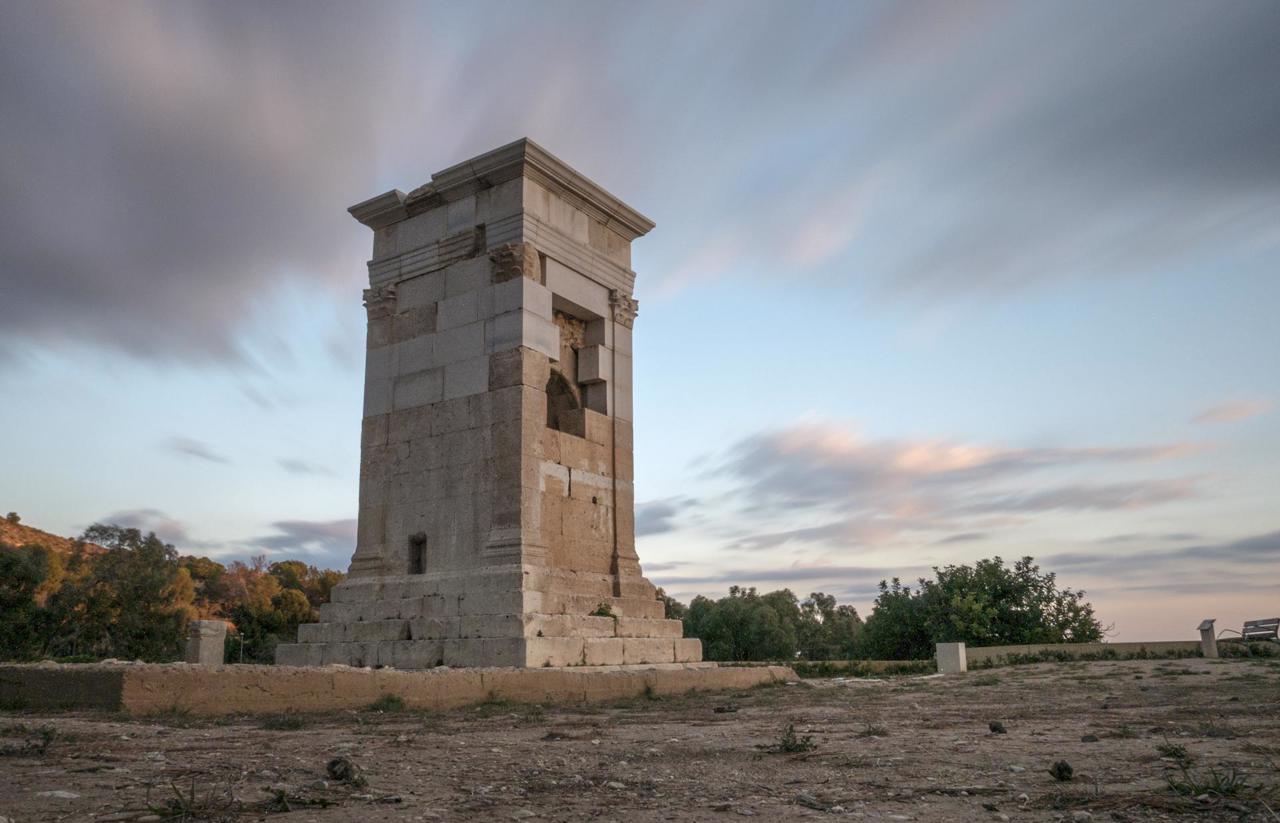
The Romans buried their dead along the sides of the road so that anyone passing by would remember them. But this tower was not built to be viewed from a road; rather, it stands on a slope near the “highway” of that era—the Mediterranean Sea. Thus, everyone sailing across the Mare Nostrum could clearly see the tower and remember Lucius Terentius.
The tower was surrounded by a low wall enclosing one of the largest known Roman burial grounds in Europe. This enclosure featured pedestals with statues and a garden with plants associated with the afterlife. Today, this garden has been recreated around the tower using plants that would originally have been found there, such as red roses, laurel, grapevines, ivy, myrtle, lavender, cypress, and acanthus. The garden is named after Elaine Evans, the patron who funded the monument’s restoration.
Bou Ferrer
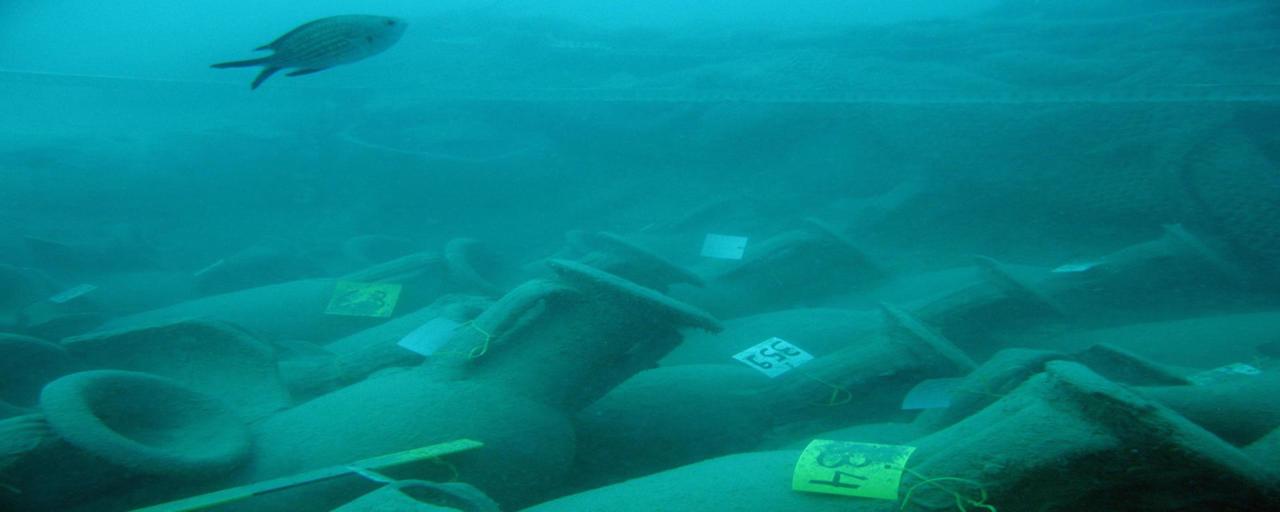
In the middle of the 1st century A.D., a large merchant sailing ship, 30 meters in length and loaded with 2,500 amphorae filled with fish sauce and lead ingots belonging to Emperor Nero, set sail from a port near Cádiz, bound for Rome or Narbonne. During the voyage, the crew encountered a problem and decided to head for the last port on the peninsula along their route, the port of Allon. However, they did not make it, and just a few miles off the coast, the ship sank. There it lay undisturbed for more than two thousand years, until 2001, when two divers from La Vila Joiosa, Antoine Ferrer and José Bou, discovered it.

The Bou Ferrer is the largest Roman merchant ship currently being excavated in the Mediterranean. Its depth—25 meters—which is accessible to divers, and its excellent state of preservation led to the launch of conservation and research initiatives from the very beginning.
Excavation campaigns are conducted annually to continue investigating the warehouse and uncover new details about its history. The good condition of the wood has even allowed researchers to determine the construction technique used. Some vine shoots that protected the amphorae from bumping into one another have been recovered, and the key to the pantry and some of the crew’s kitchen utensils have also been found.
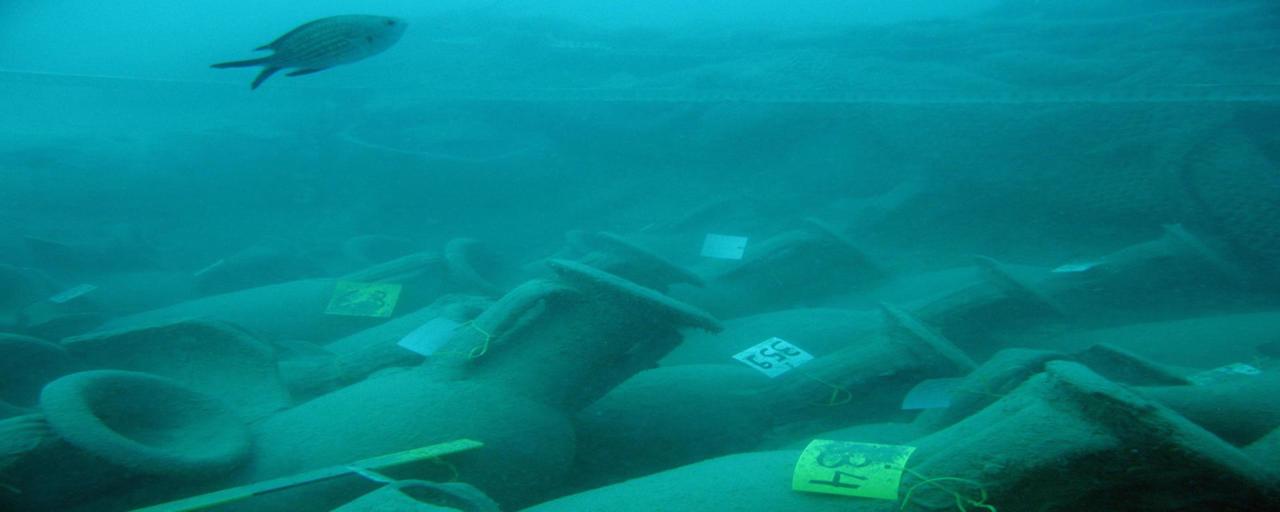
During excavation campaigns, underwater tours are offered; however, they are not suitable for everyone, as access requires specific certifications and diving levels. Nevertheless, it is undoubtedly an experience worth having. In addition, the underwater tours are fully accessible to people with limited mobility.
In Vilamuseu, a museum and the headquarters of the La Vila Joiosa Network of Museums and Monuments, there is a Bou Ferrer Interpretation Center where visitors can see and touch the lead ingots and amphorae, as well as other objects that also lay undisturbed for two thousand years inside this Roman merchant ship at the bottom of the Mediterranean.
Fosa Fastigata
If, while strolling through the center of La Vila Joiosa, you come across a bronze medallion with the word “Fossa” (and you read this word correctly), it means you are within the area once occupied by a Roman military camp during the Sertorian Wars, which took place between 83 and 72 B.C.
The centerline of the protective trench that surrounded the camp, the Fossa Fastigata, is marked with bronze medallions on the ground.
The trench was about 2 meters wide and 2 meters deep; when the camp was dismantled, this trench was filled in with pieces of adobe, possibly from the temporary barracks that had been built to provide shelter during the winter.

During this period, there was no fighting, and the soldiers set up temporary encampments near an Iberian settlement. In the case of La Vila Joiosa, the soldiers controlled the entrance to the city and the port, two key transportation hubs for the movement of goods and supplies.
It was a Roman camp for 500 men and was the first to be discovered in the Valencian Community, as well as one of the few discoveries of military conflicts from that period.

Via Lucentina
Would you like to walk along the same path that the Romans of the 1st century AD used to walk from the Roman city of Allon? Well, in La Vila Joiosa, you can. It’s a stretch of nearly ten meters of the Via Lucentina, the road that two thousand years ago connected the important port of Allon with Lucentum, and along which we can stroll as if we were Romans.
This section of the “Via Lucentina”—the “highway” from the time of Vespasian—was preserved in perfect condition 1.5 meters below the current ground level. It has been restored stone by stone, at the level of the current street, so you can enjoy a Roman road in its original state, and in its exact position and orientation.

The road is 14 Roman feet wide—that is, 4.20 meters—which is enough space for two carts to travel side by side.
This road is one of those remodeled by Roman engineers in the mid-1st century A.D., following the city’s expansion after it was granted the status of a municipium. Roman engineers always sought straight lines and built roads in a manner similar to today’s methods: cutting into the ground, constructing a retaining wall on one side to prevent erosion from rain, laying a layer of compacted earth, and adding a compacted layer of stones—boulders—to provide a walkable surface.