
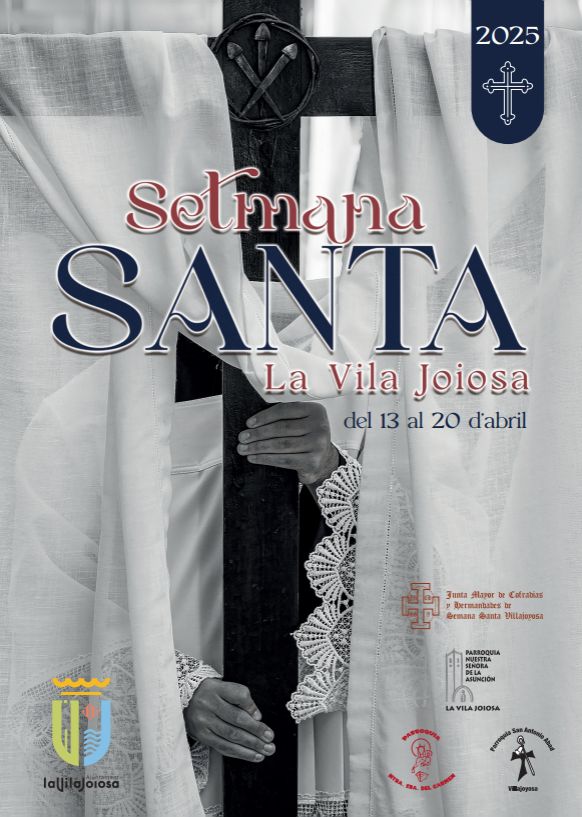
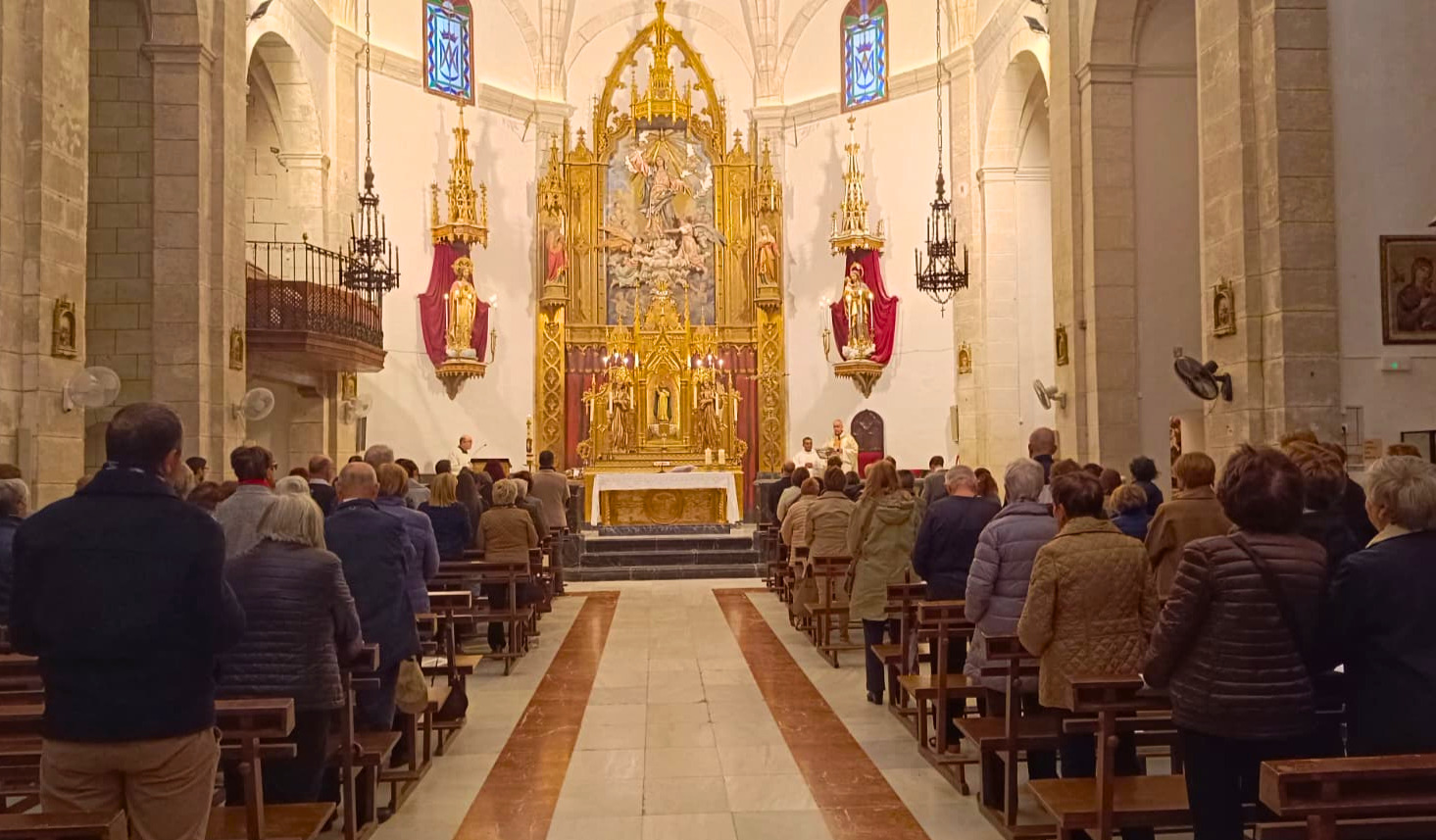
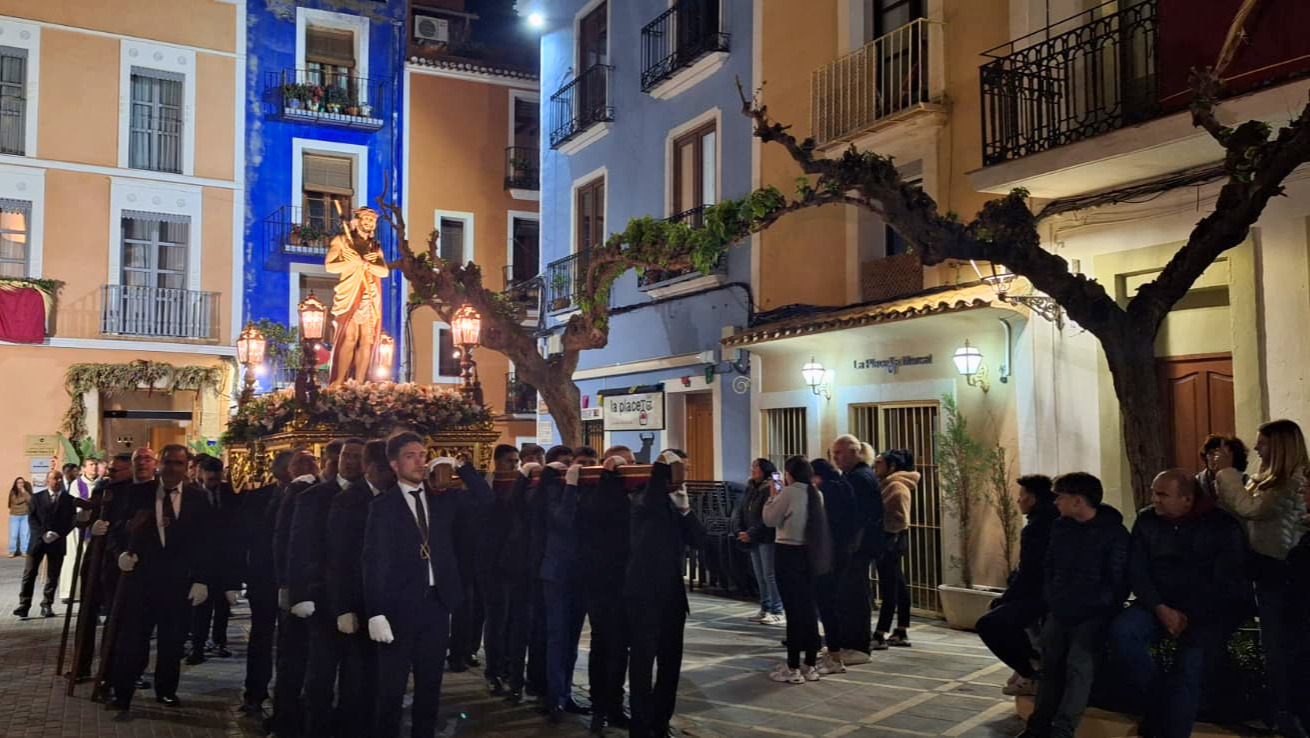
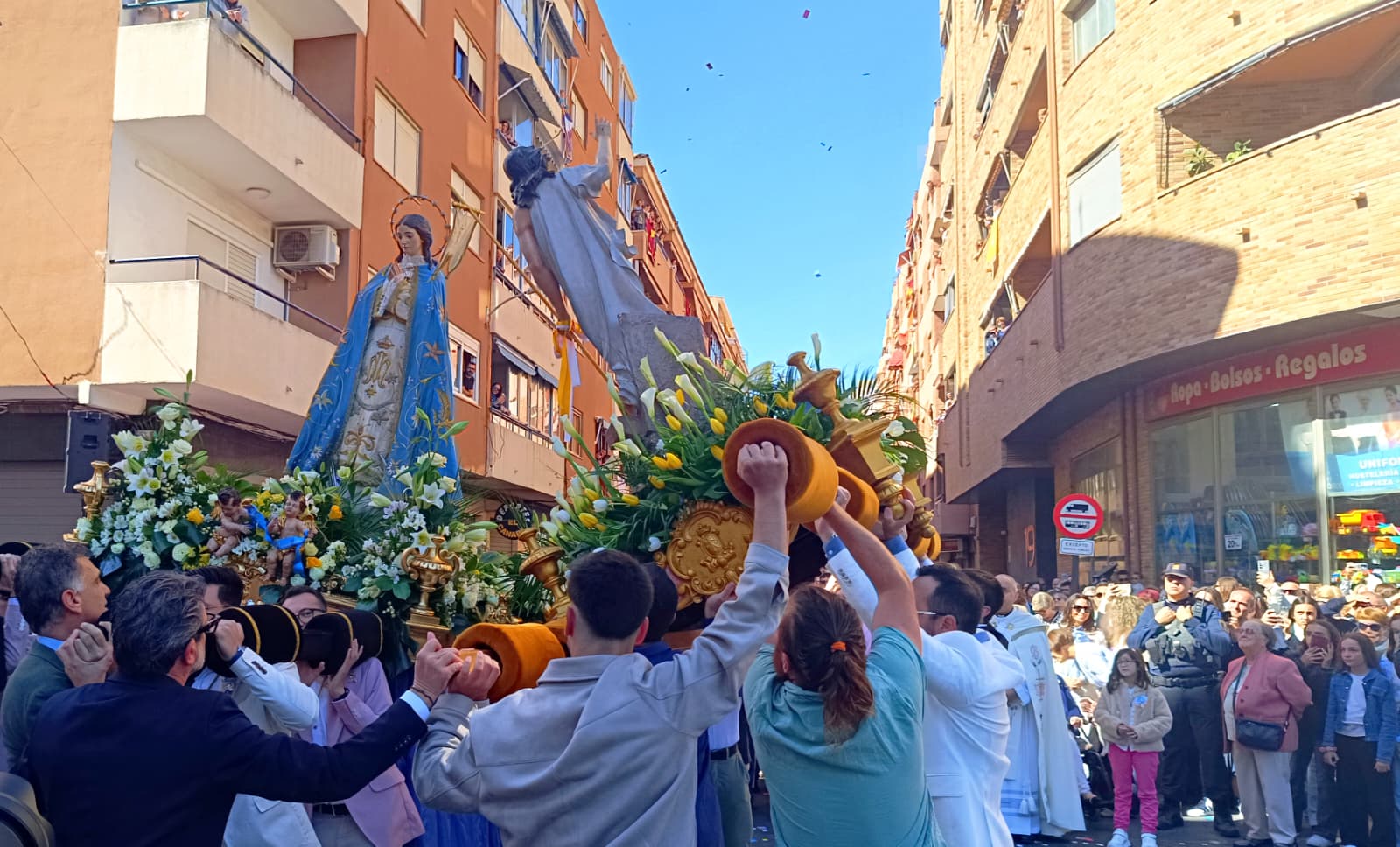
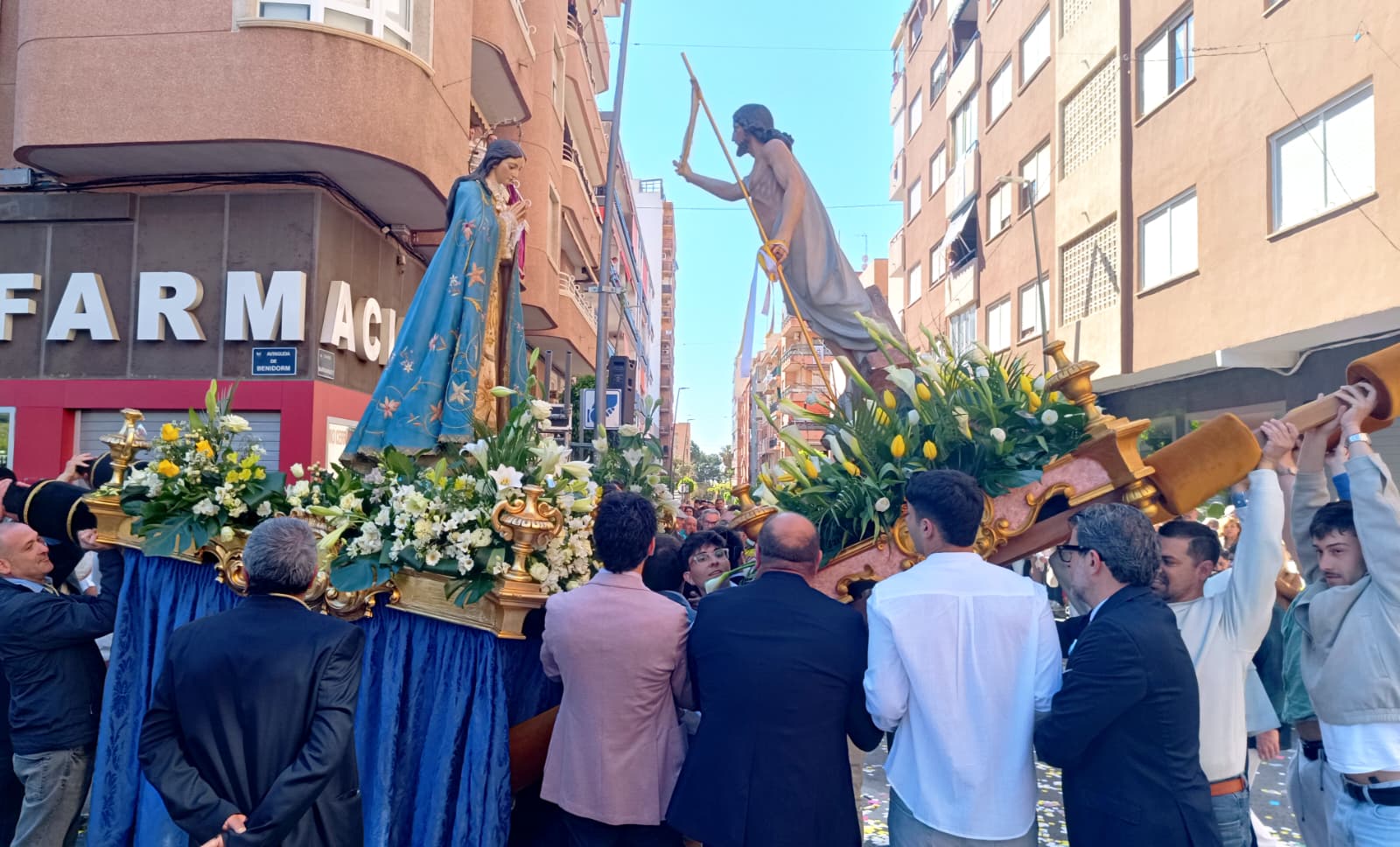
A religious and cultural celebration with a long-standing tradition in Villajoyosa, featuring processions, liturgical ceremonies, and music that wind through the streets of the historic district and the city center. Holy Week in Villajoyosa combines solemnity, heritage, and deep-rooted popular tradition, making it one of the most representative festivals on the local calendar.
Holy Week in La Vila Joiosa, despite not being the town’s main or patron saint festivities, has a long tradition in the municipality. In addition to the liturgical celebrations, the processions and parades of the various religious images, accompanied by their respective brotherhoods, set the solemn tone for Holy Week in La Vila Joiosa.Holy Week is organized by the Central Board of Brotherhoods, which is composed of ten brotherhoods responsible for bringing the passion, death, and resurrection of Jesus to the streets.
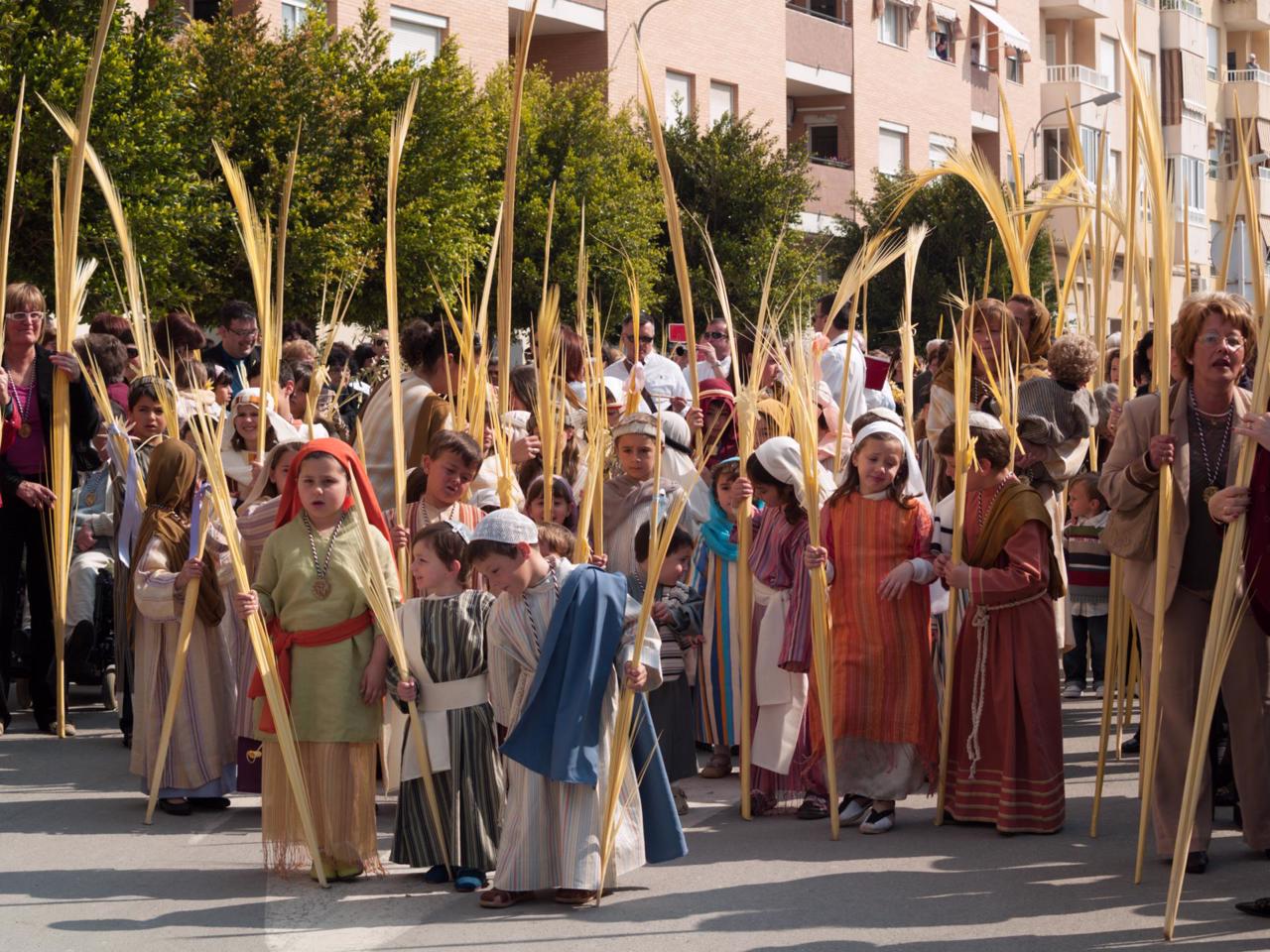
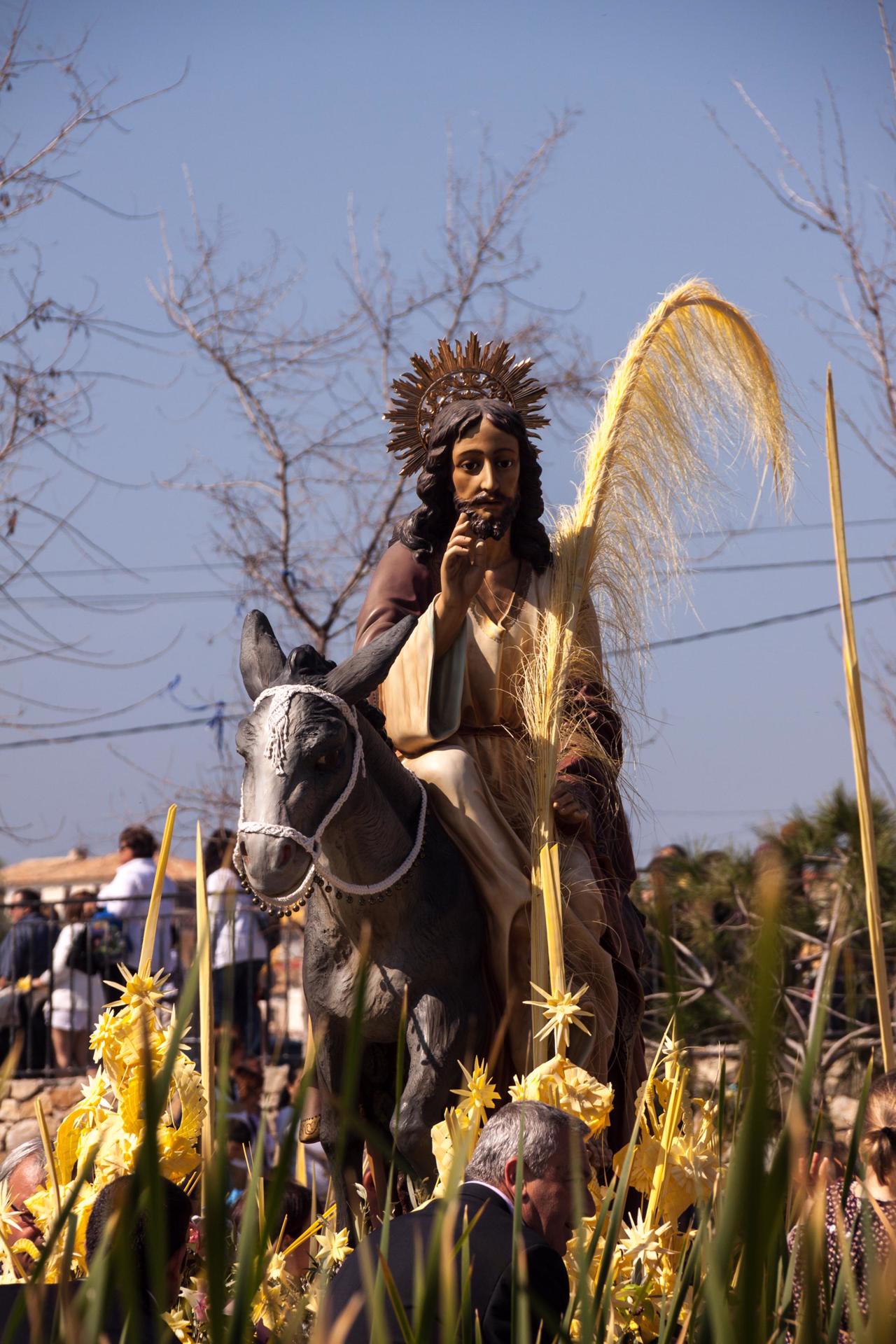
On Palm Sunday, the Brotherhood of Jesus the Triumphant reenacts Jesus’ entry into Jerusalem, accompanied by boys and girls dressed as Jews, amid the hustle and bustle and music…
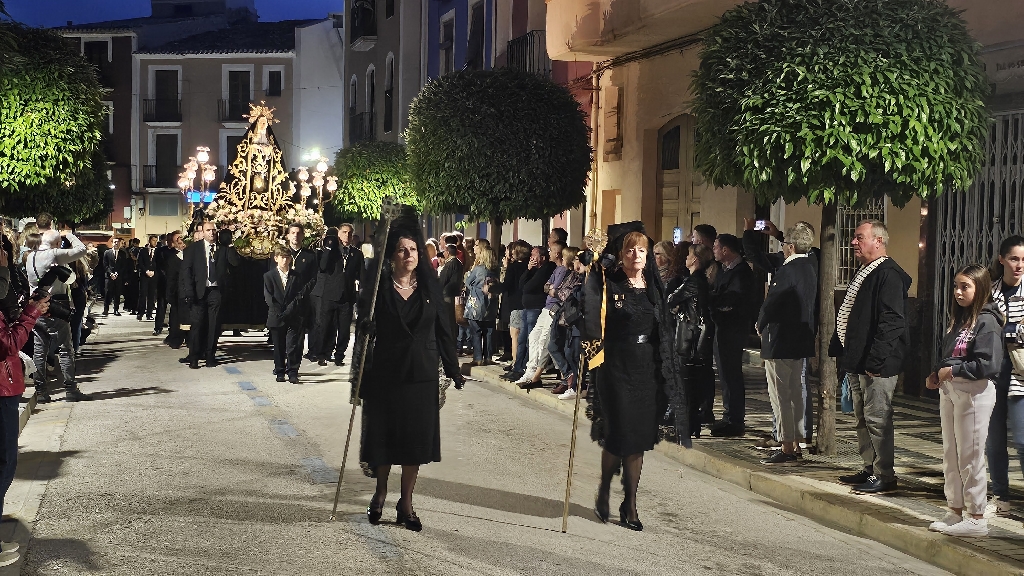
A moment of joy that gives way to a mother’s grief, depicted in the procession of Our Lady of Charity on Holy Monday night through the streets of the Old Town.
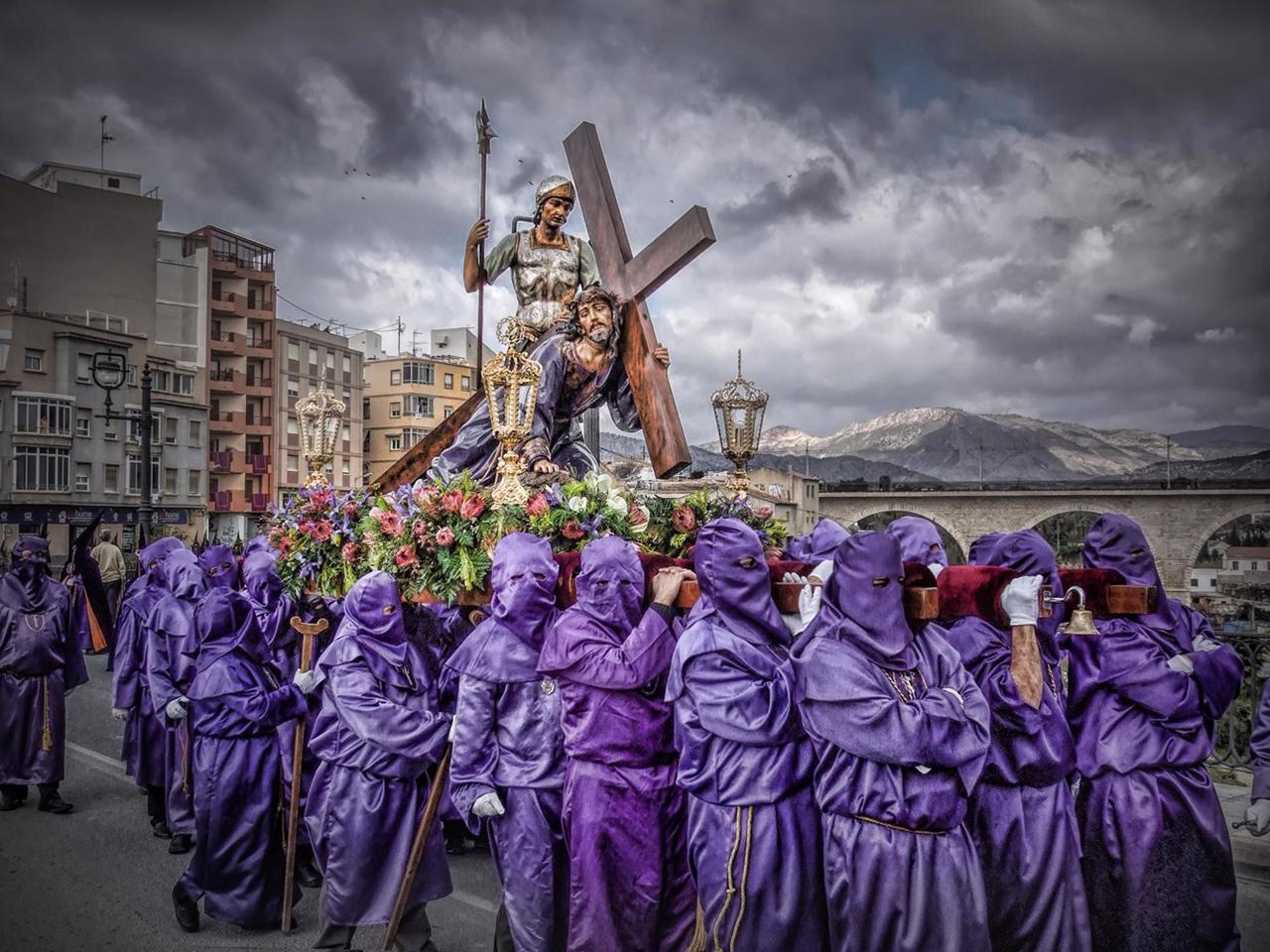
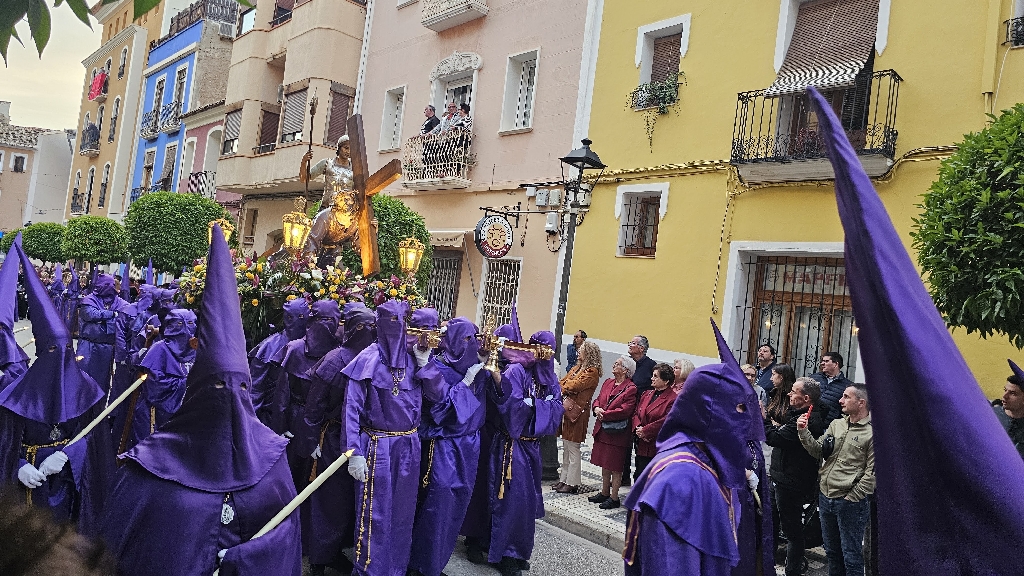
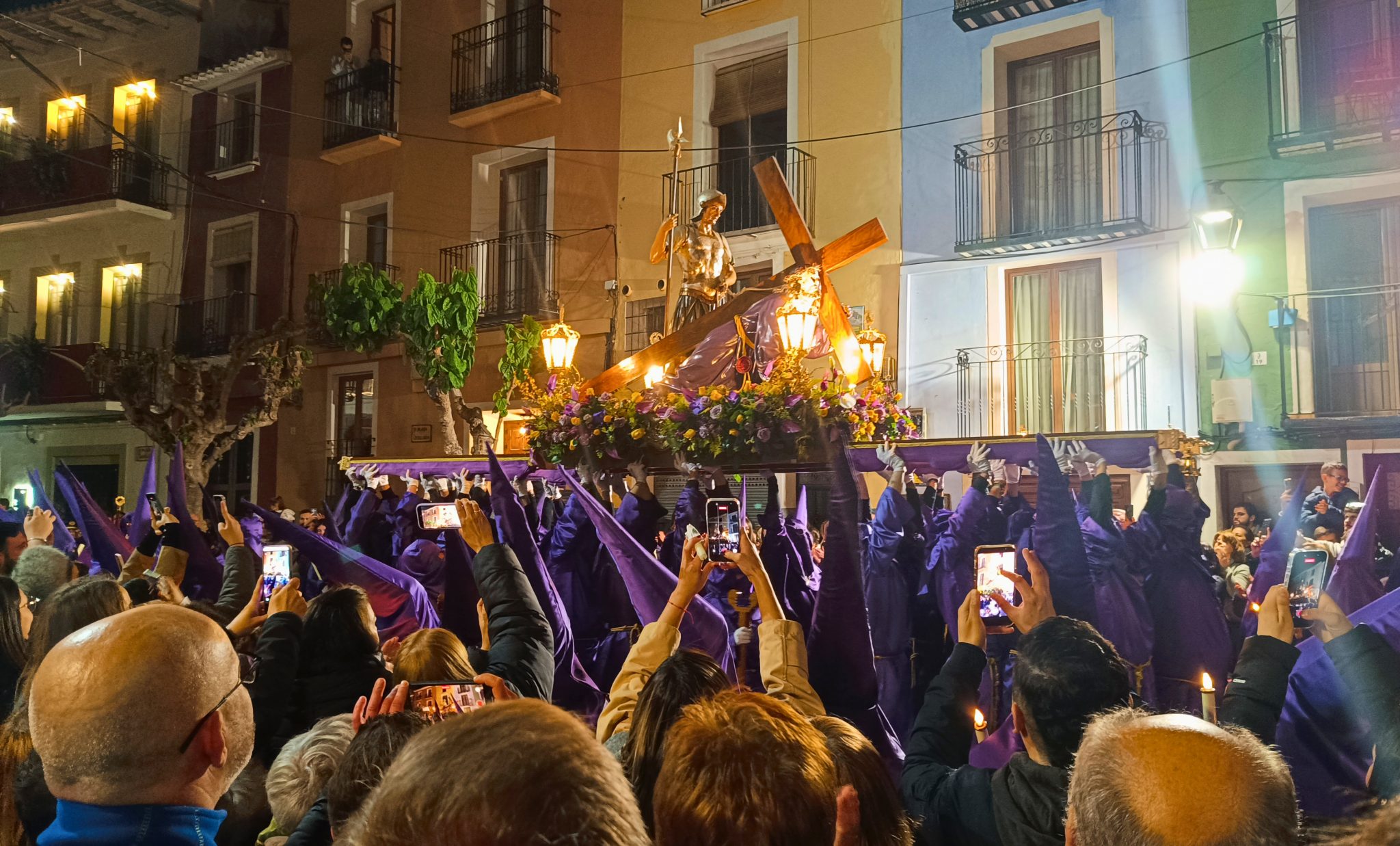
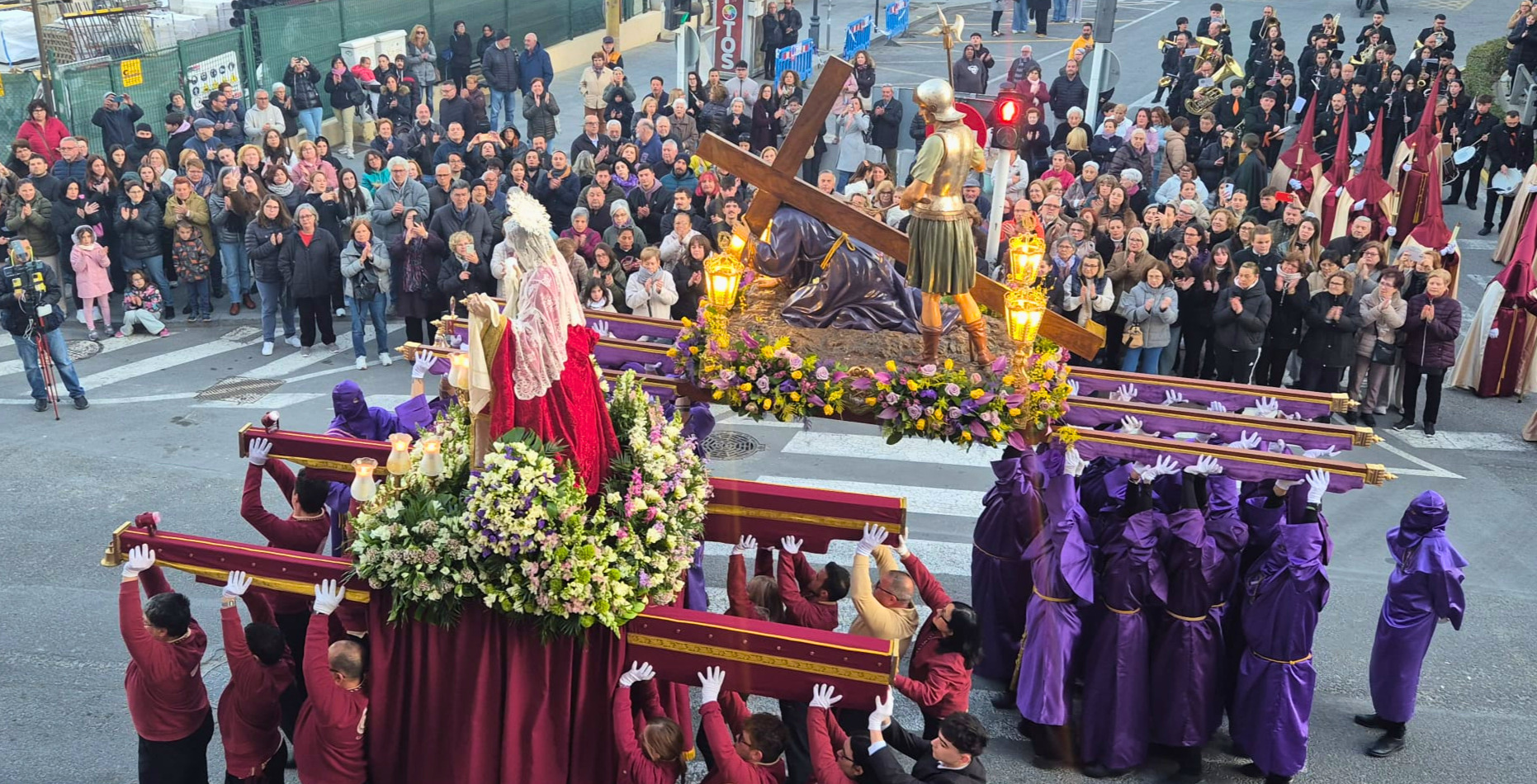
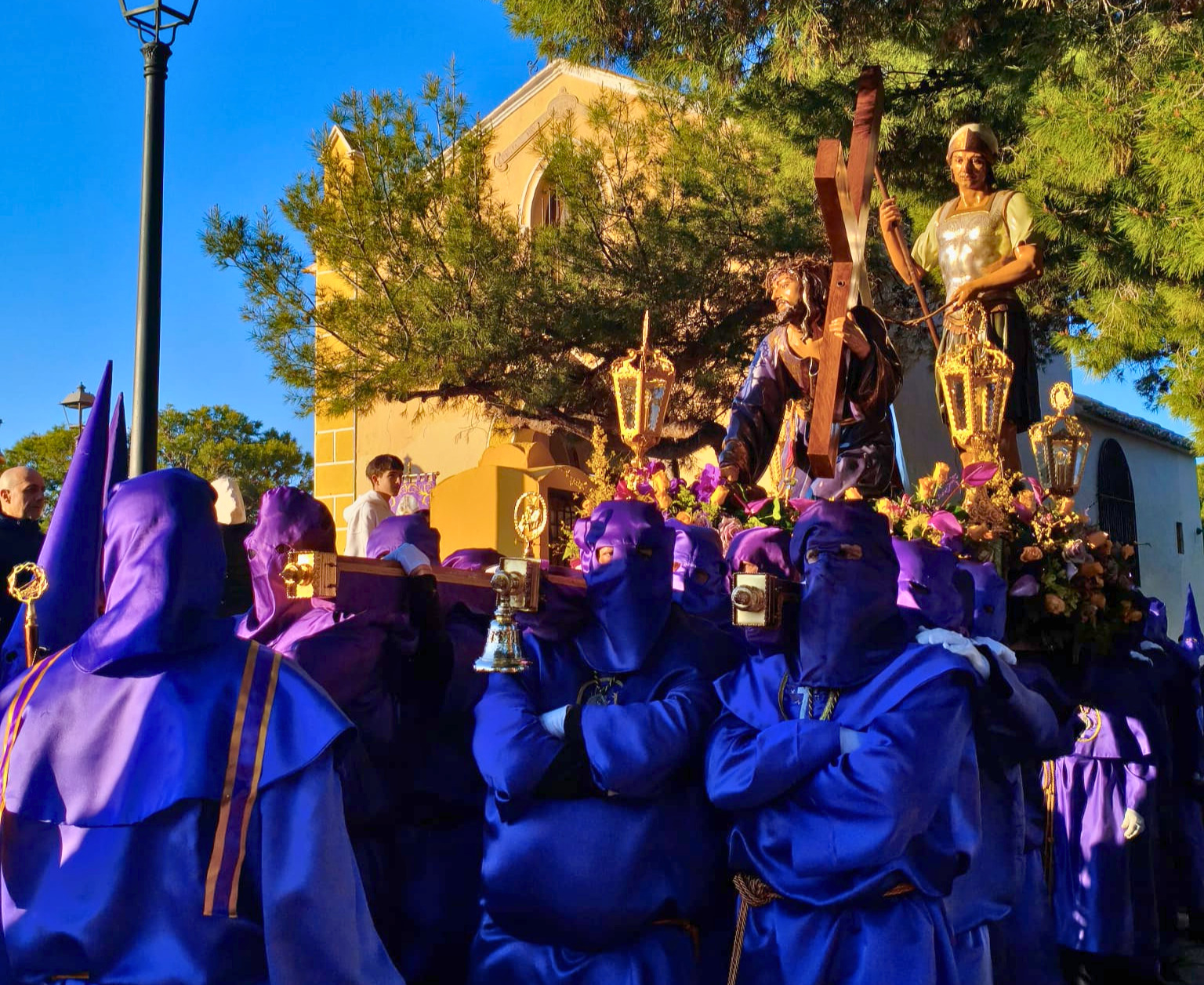
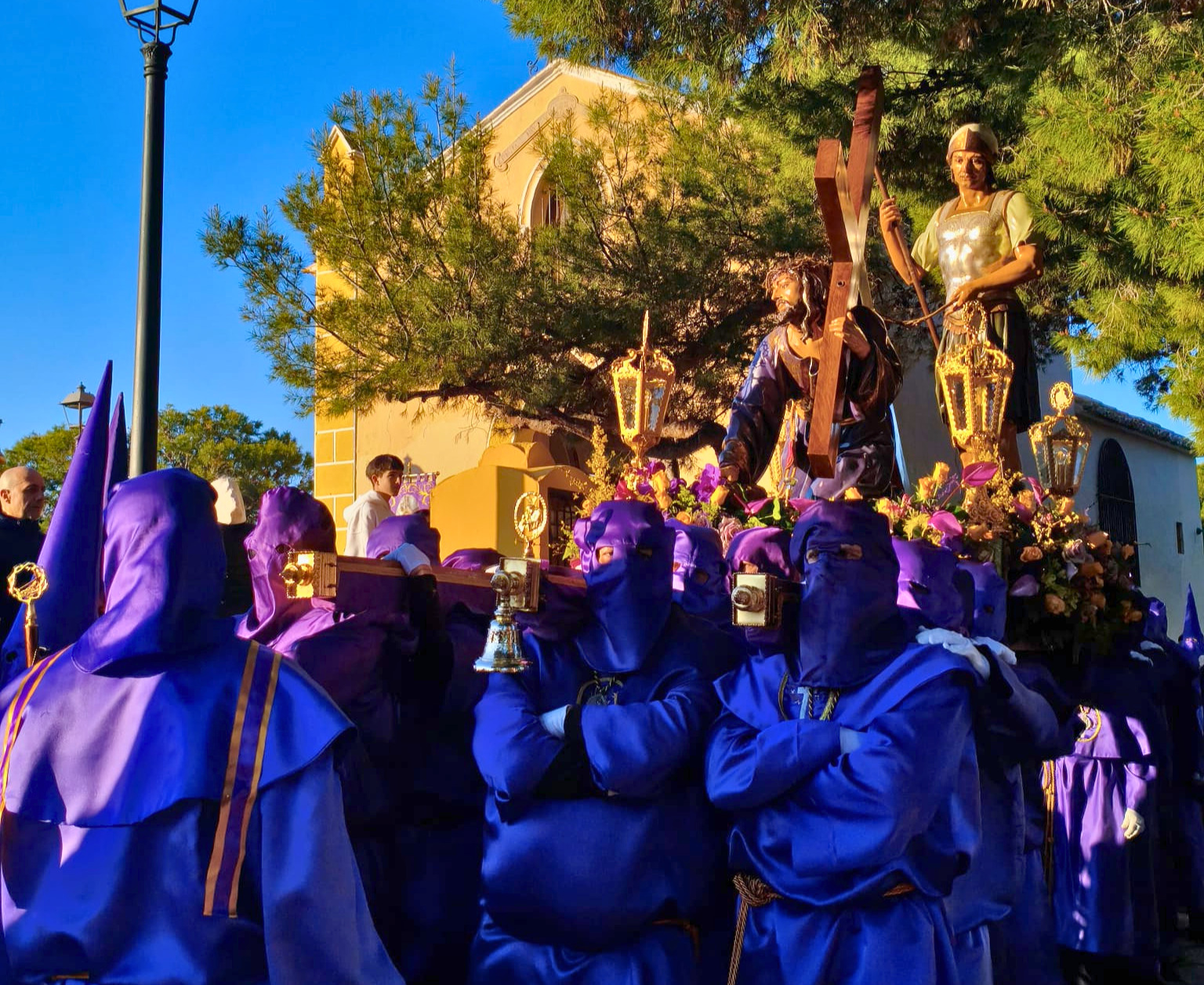
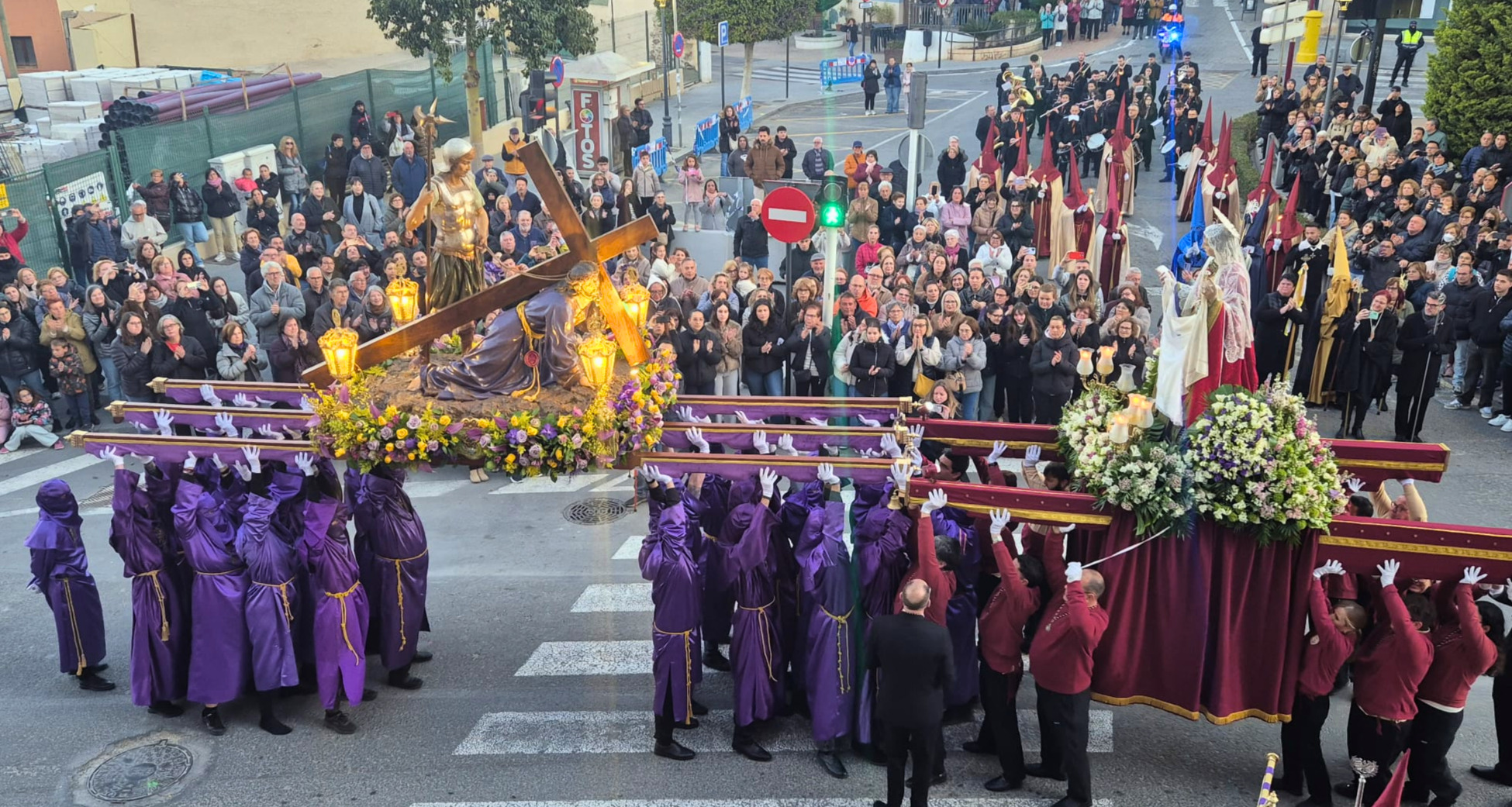
On Holy Tuesday, one of the oldest and most traditional processions of Viler’s Holy Week takes place: “La Bajada del Nazareno” from the San Antonio Chapel. Hundreds of residents attend this event and accompany the brotherhood along its entire route.
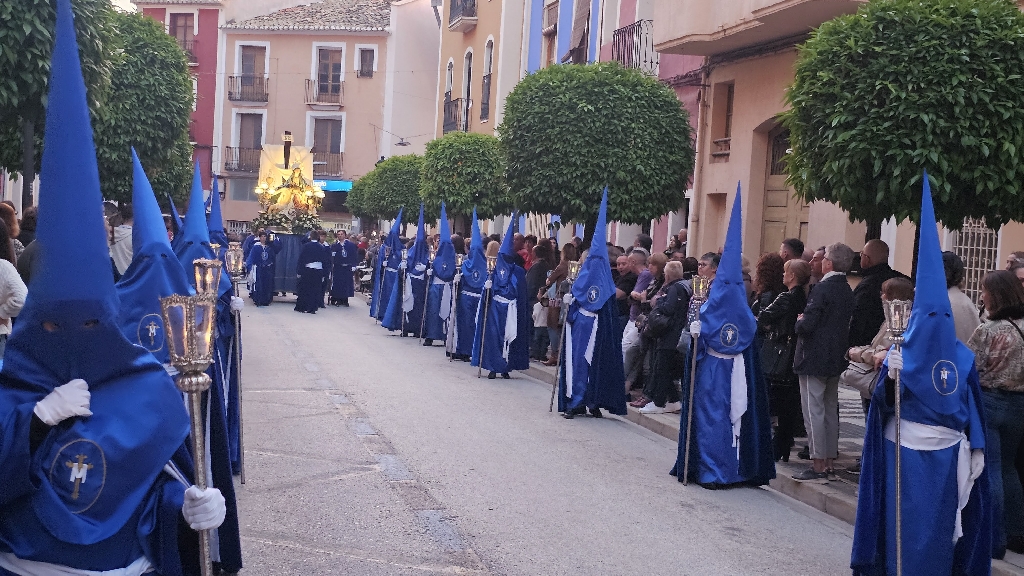
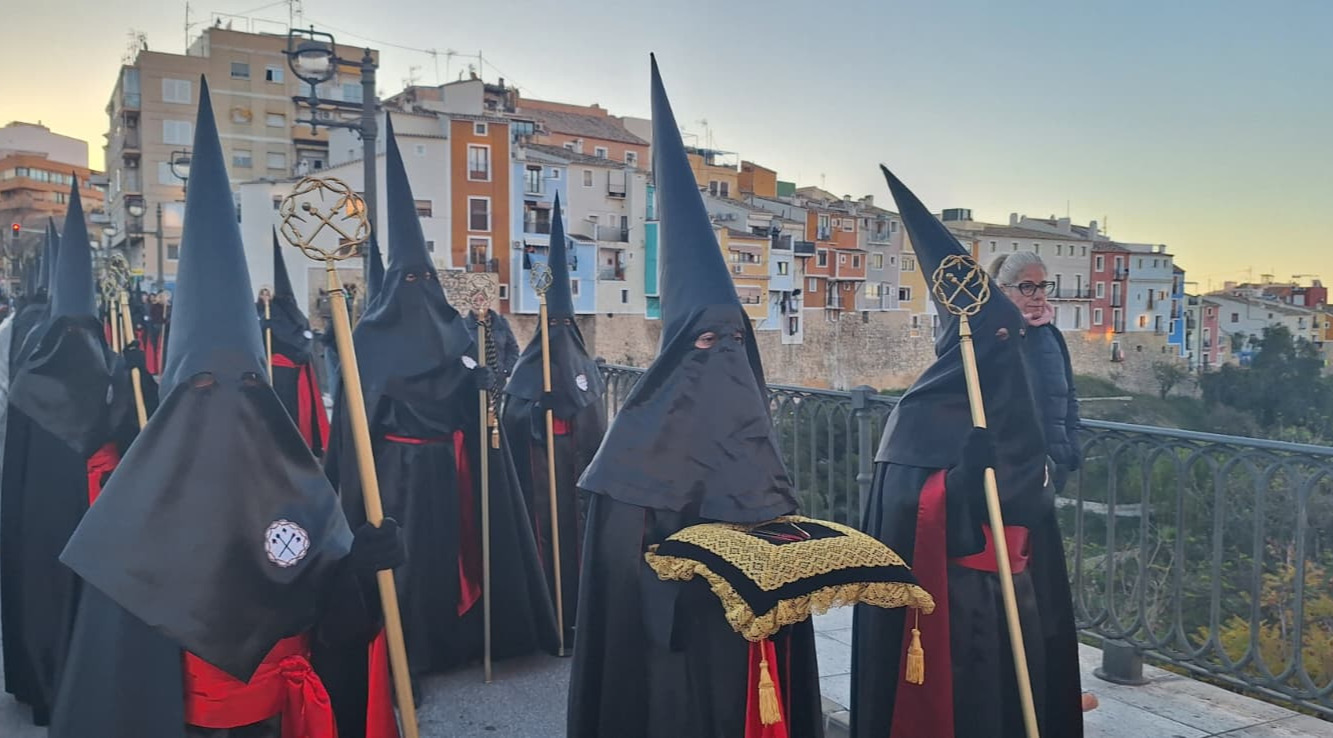
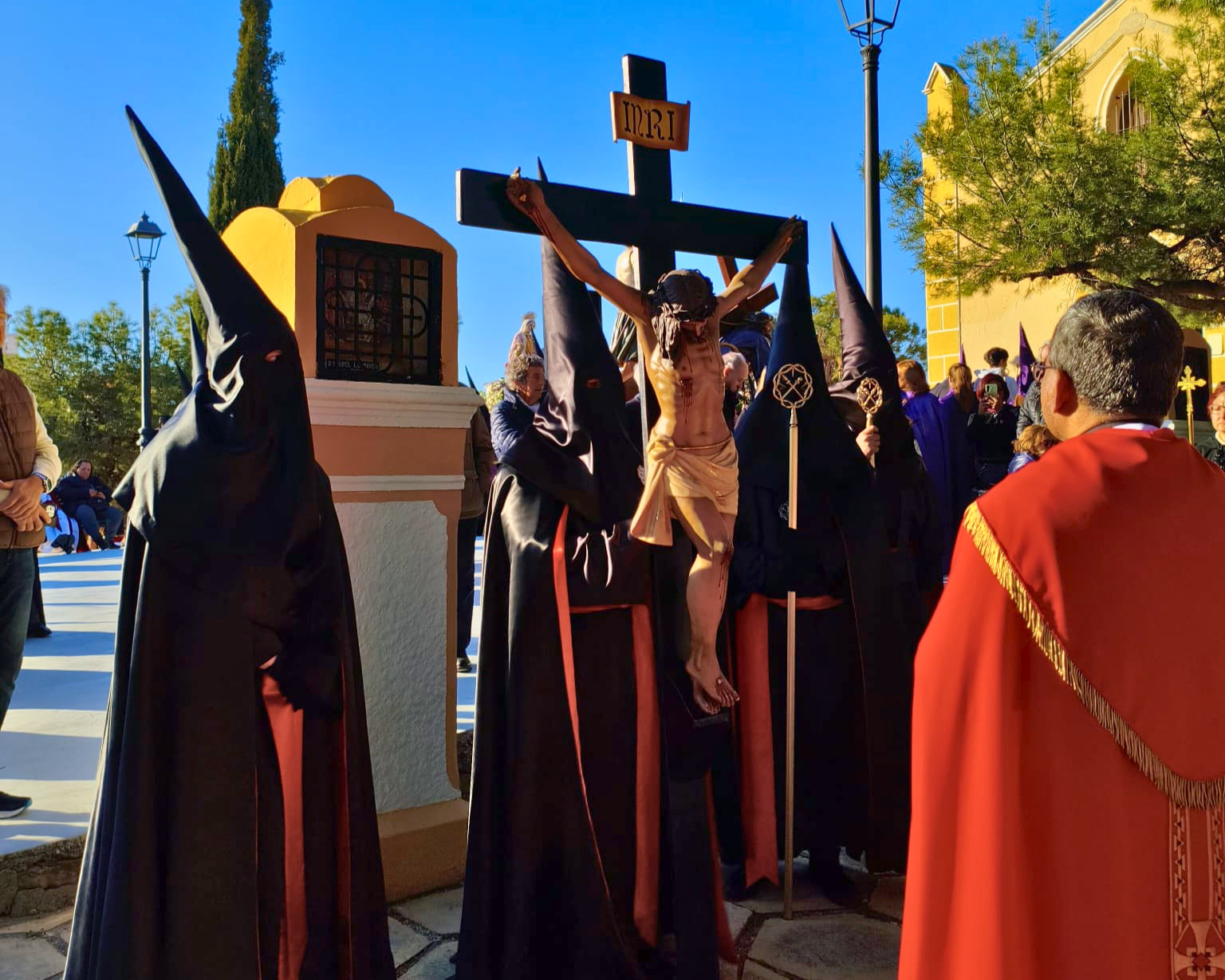
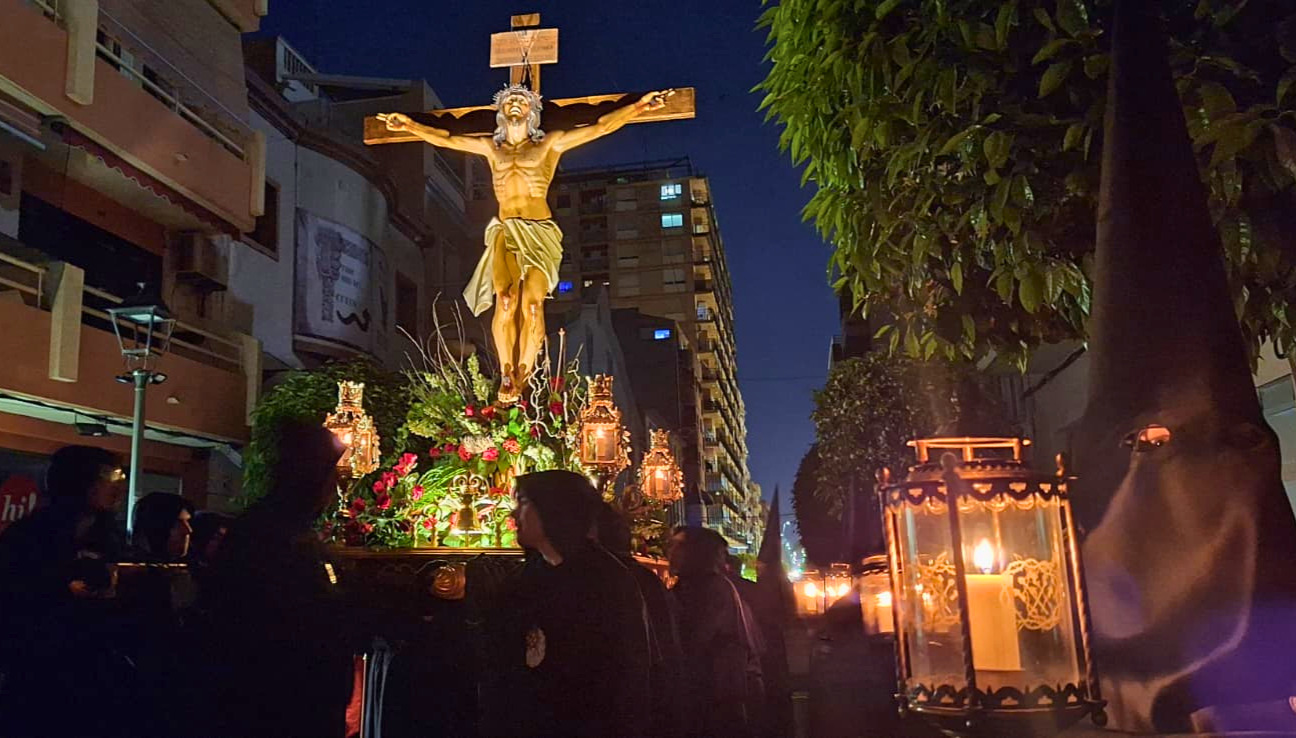
On Holy Wednesday, the Brotherhood of Cristo de la Fe invites us to the “Procession of Silence.” Darkness fills the streets; only a faint light illuminates the face of Jesus on the cross. Only the sound of a drum breaks the silence.
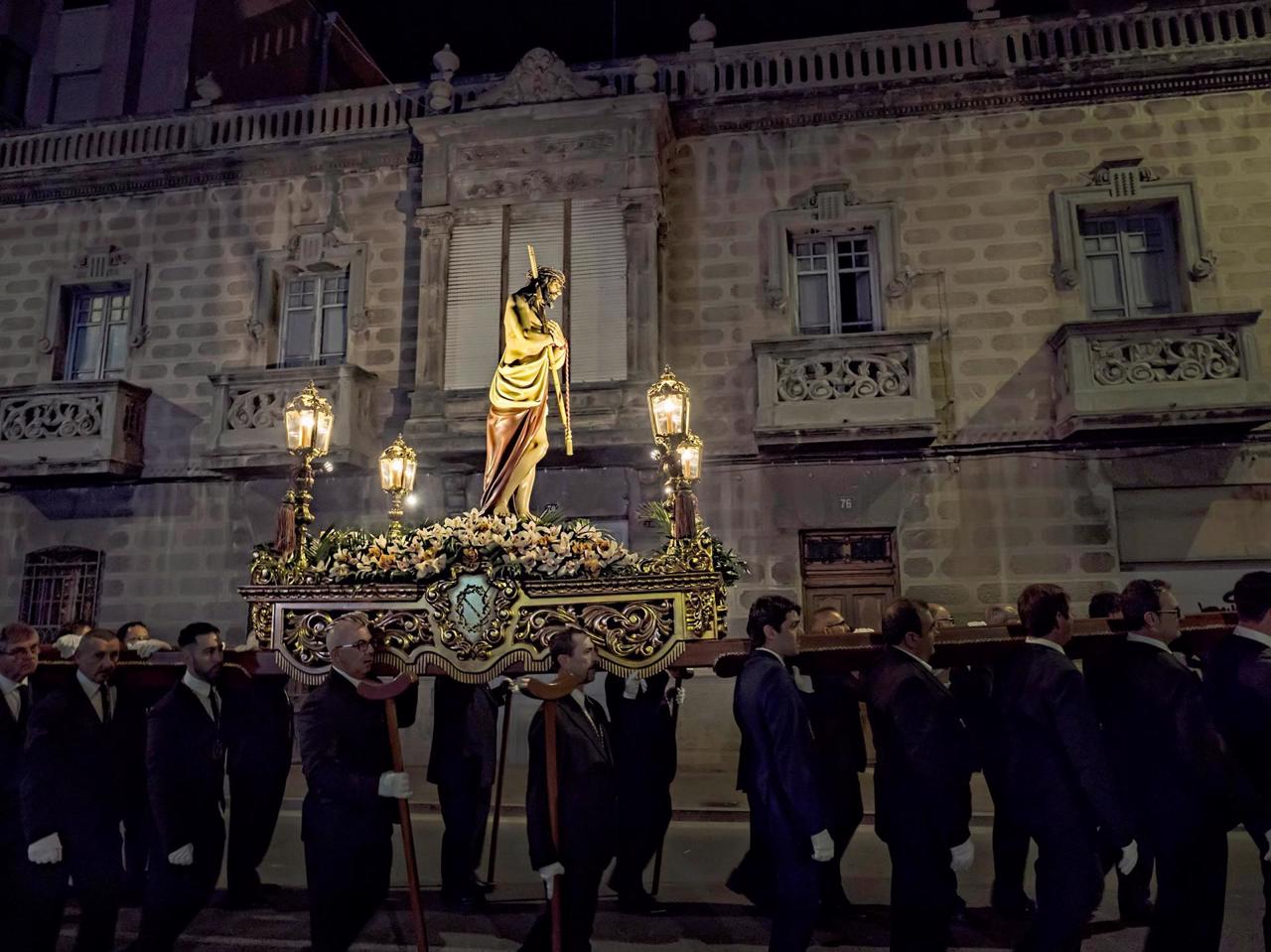
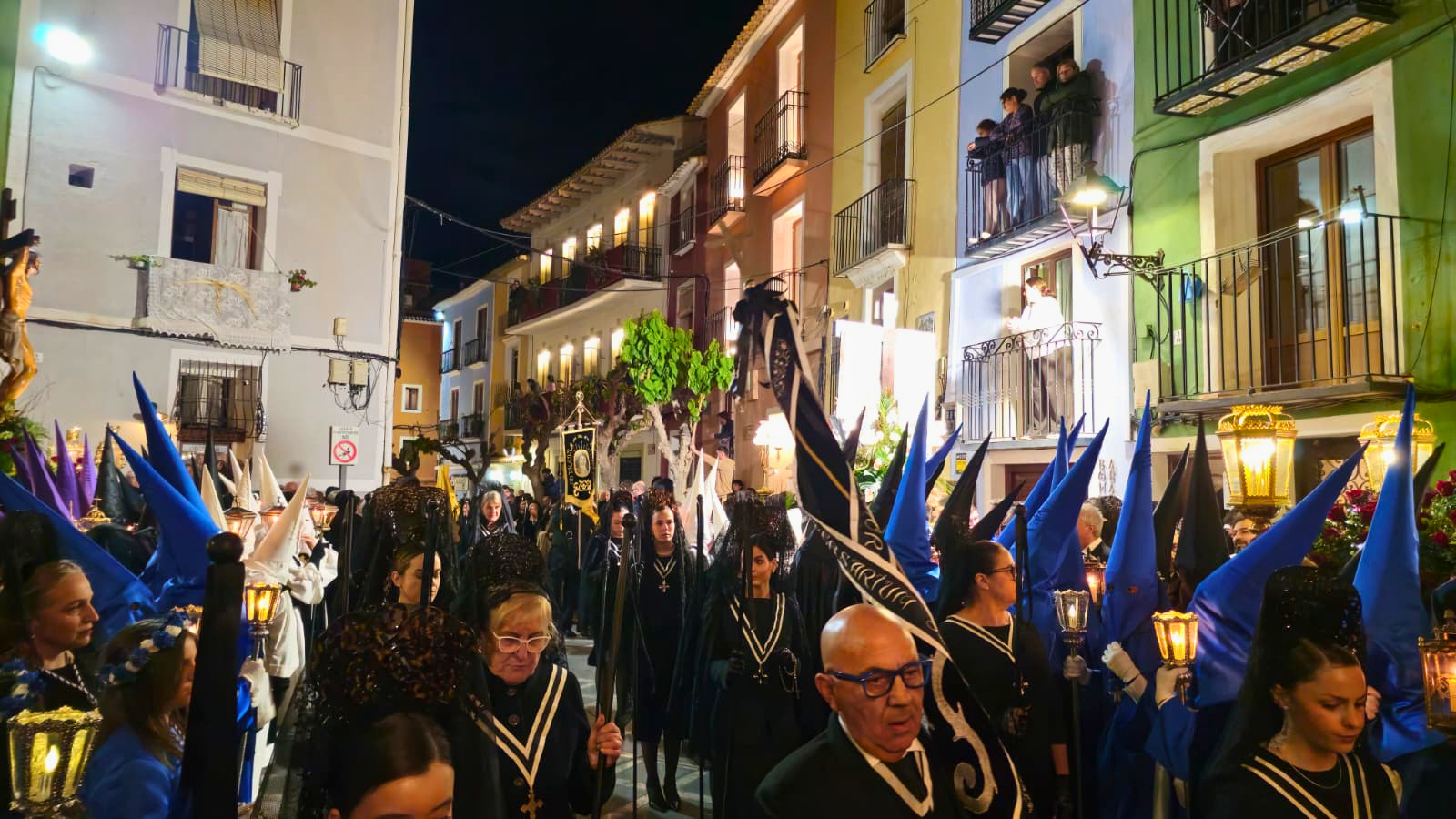
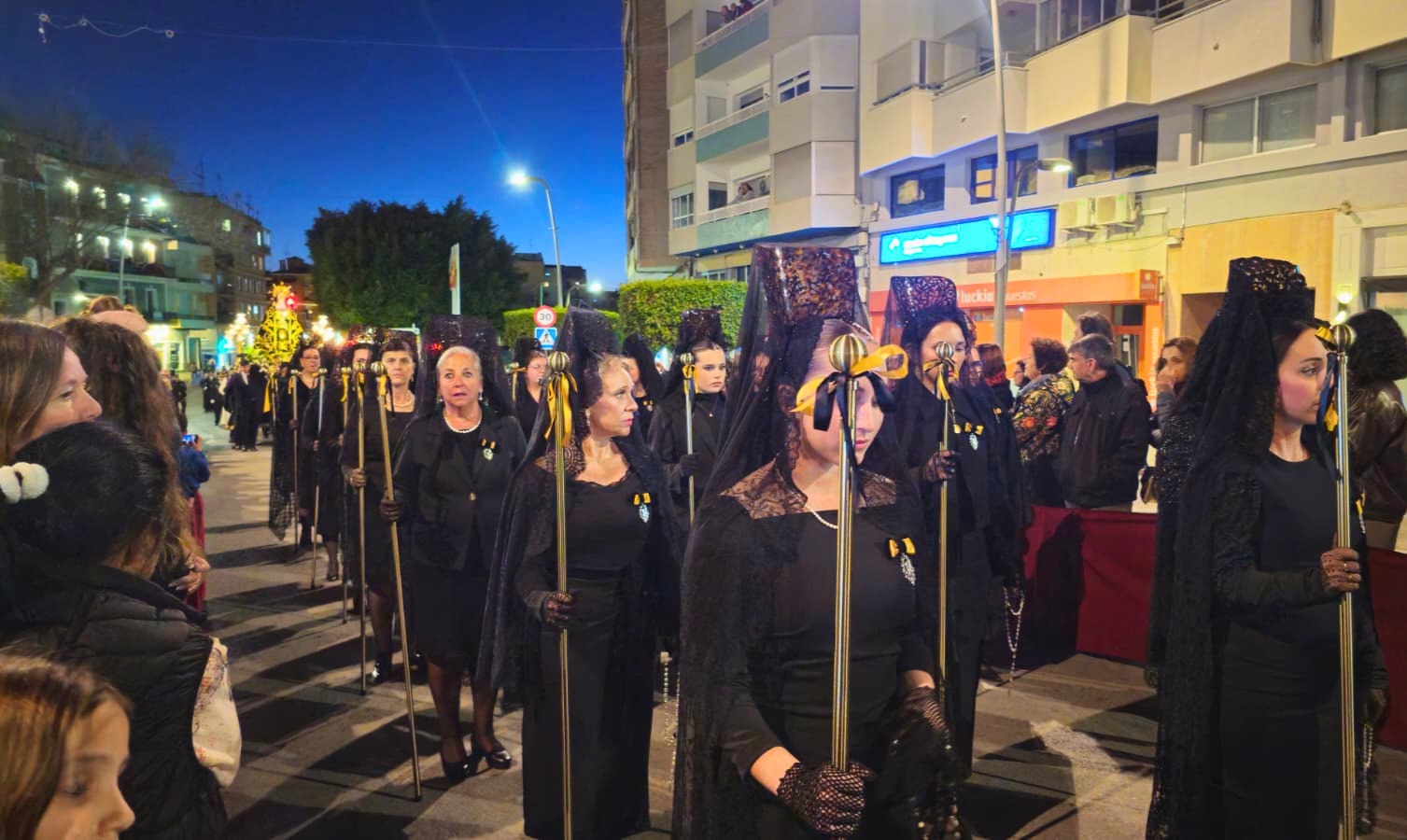
Holy Thursday. The “Ecce Homo” Brotherhood fills the streets with a solemn atmosphere as it processes its statue, accompanied by women wearing mantillas and penitents.
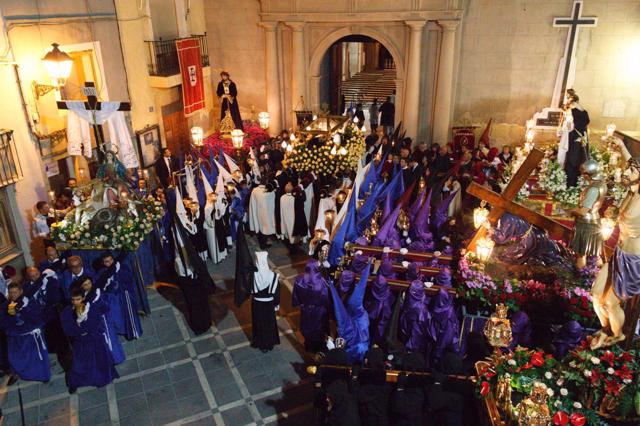
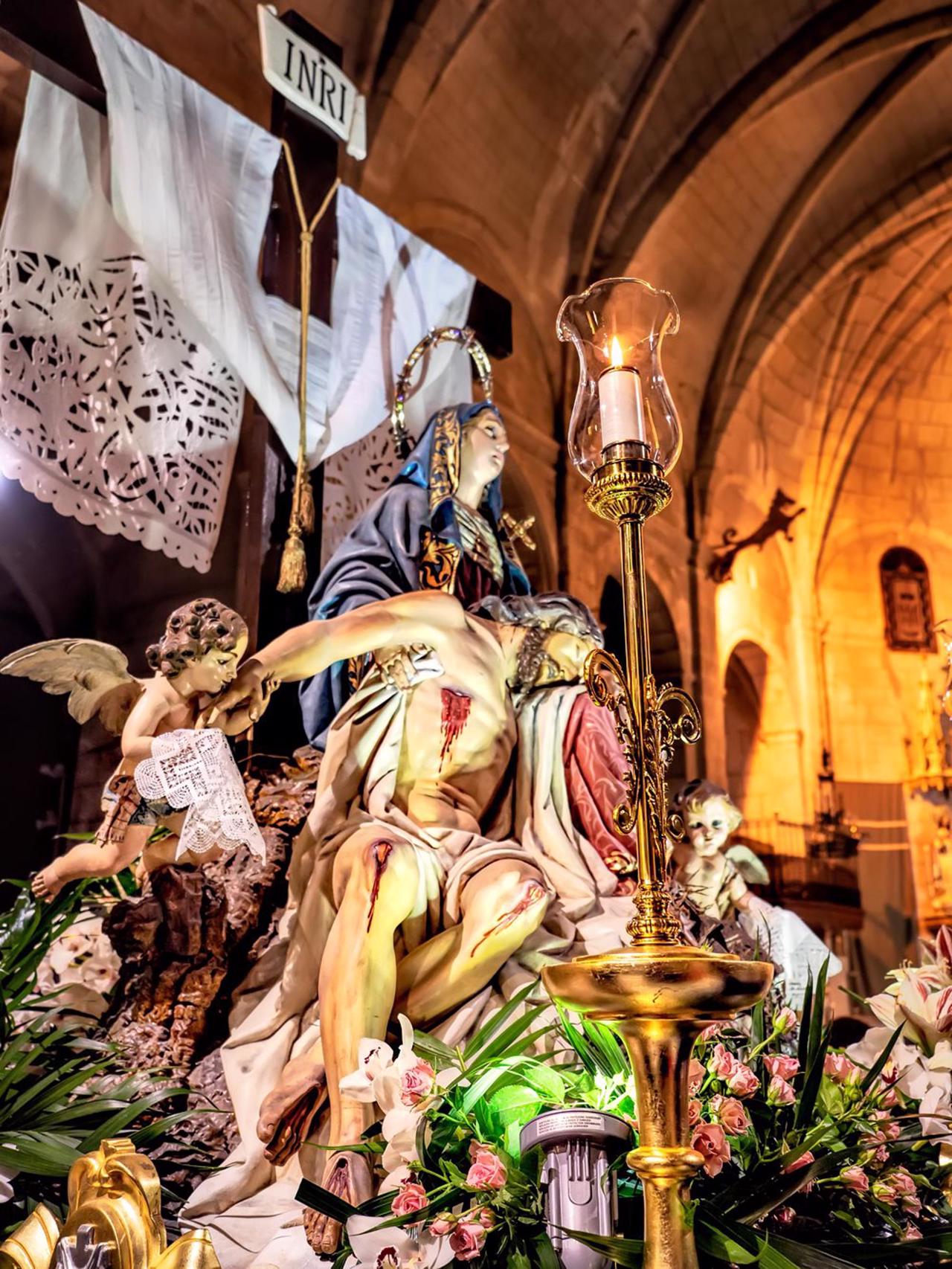
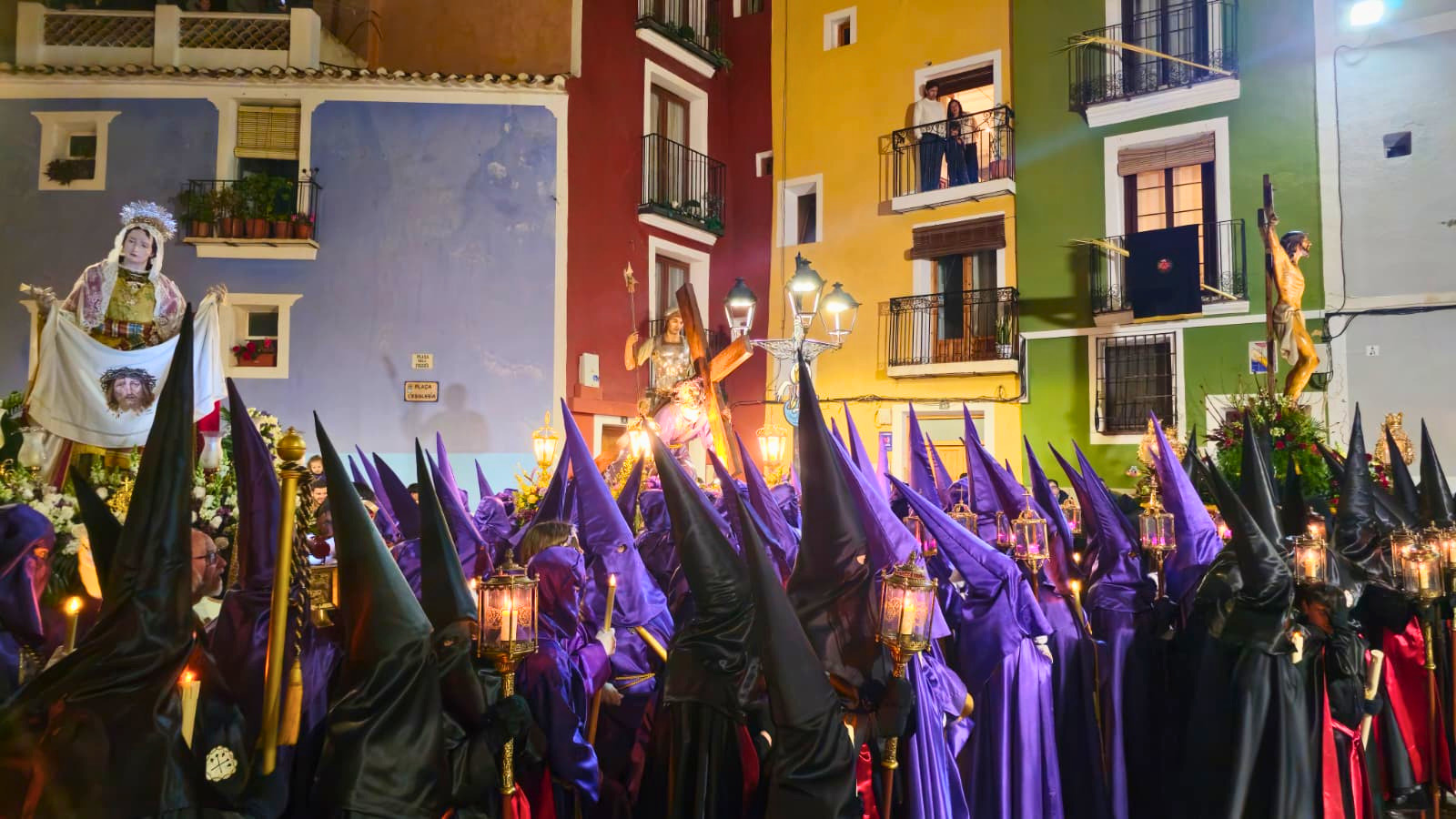
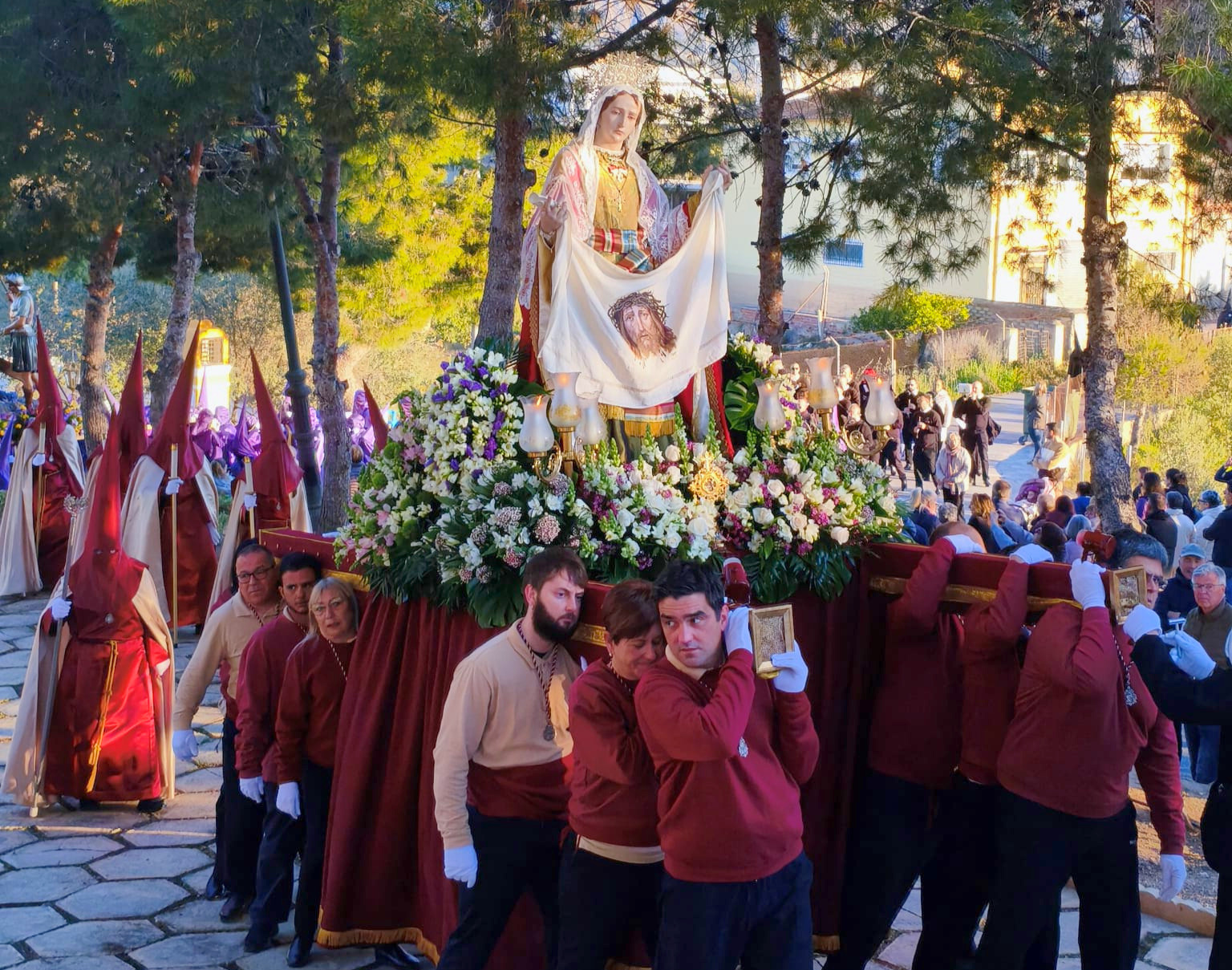
On Good Friday, at dawn, the “Verónica” sets out from the Huerta neighborhood to wipe the sweat from Jesus’ face during a moving encounter that takes place at the entrance to the city’s old town on the way to Calvary, where the Stations of the Cross are prayed. In the afternoon, mourning, silence, and sorrow fill the streets of the city center with the solemn procession of the Holy Burial, in which the various Passion brotherhoods participate, accompanying the Holy Sepulcher and Our Lady of Sorrows.
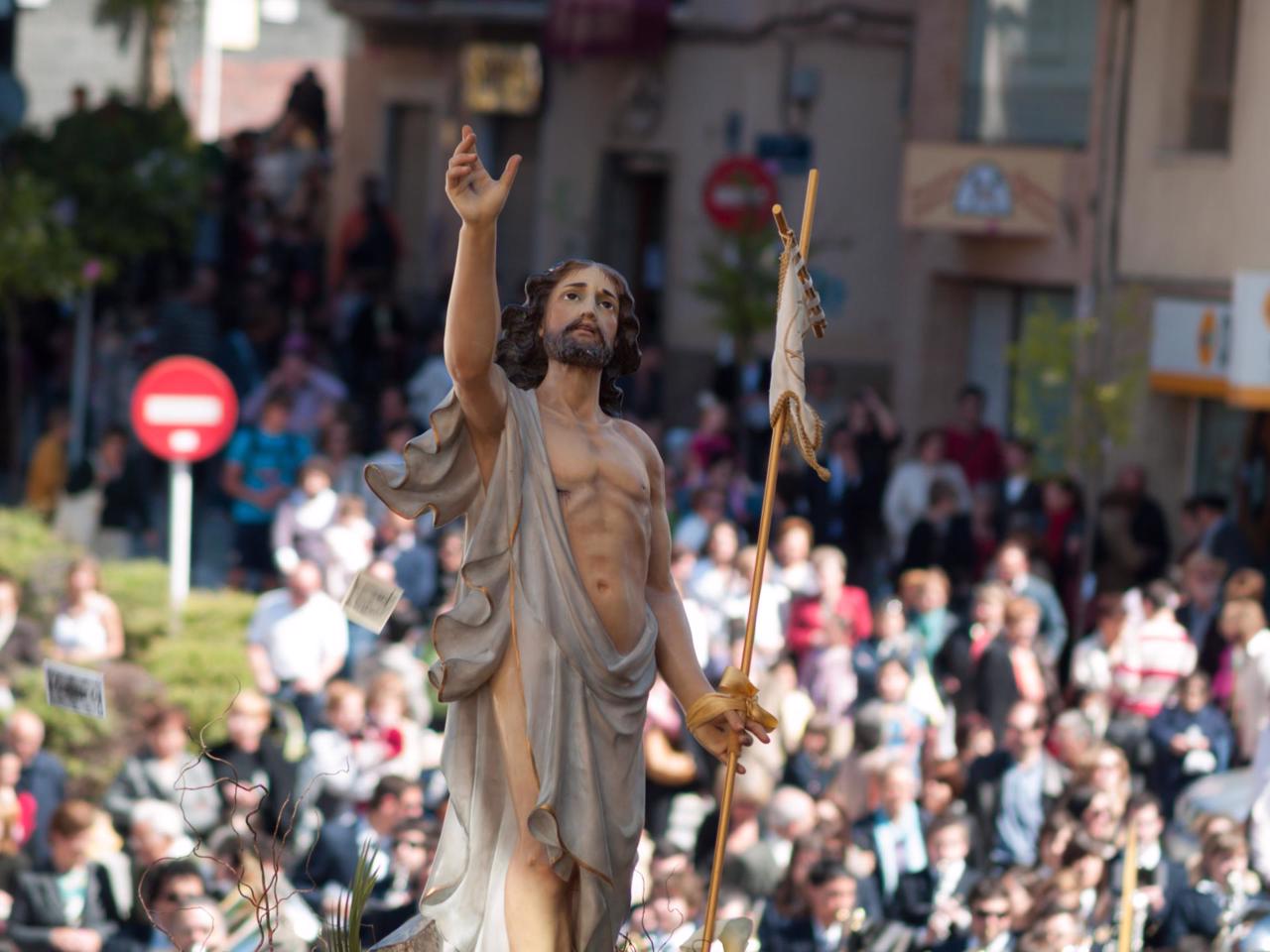
Light and joy prevail, and on Resurrection Sunday, children blow hundreds of xiulets; music and thousands of “Hallelujahs” fill the streets as the Risen One passes by and is reunited with his mother, the Mare de Deu de la Alegría, in a moving ceremony where a child recites the Easter Verse, announcing the good news.