

.png)

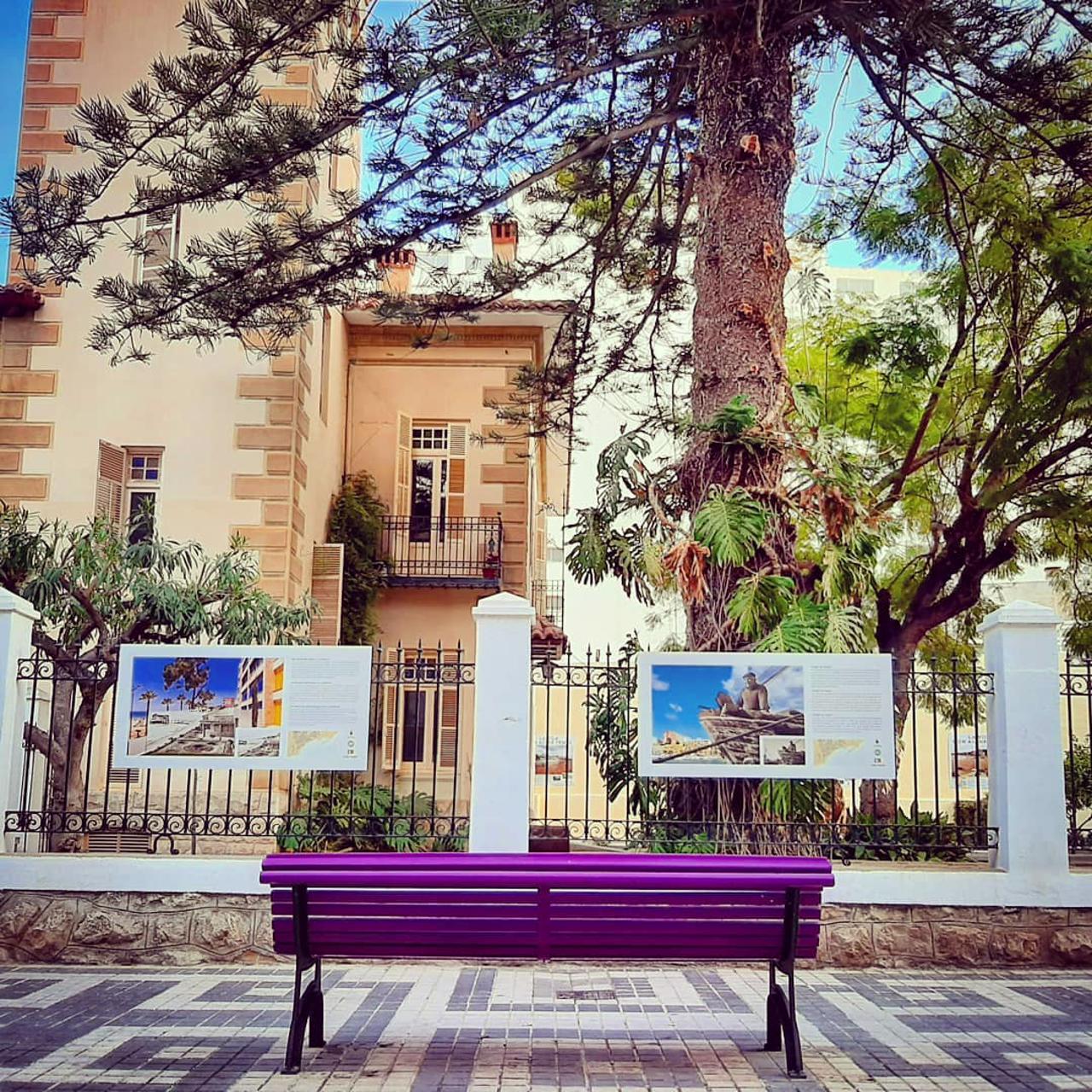
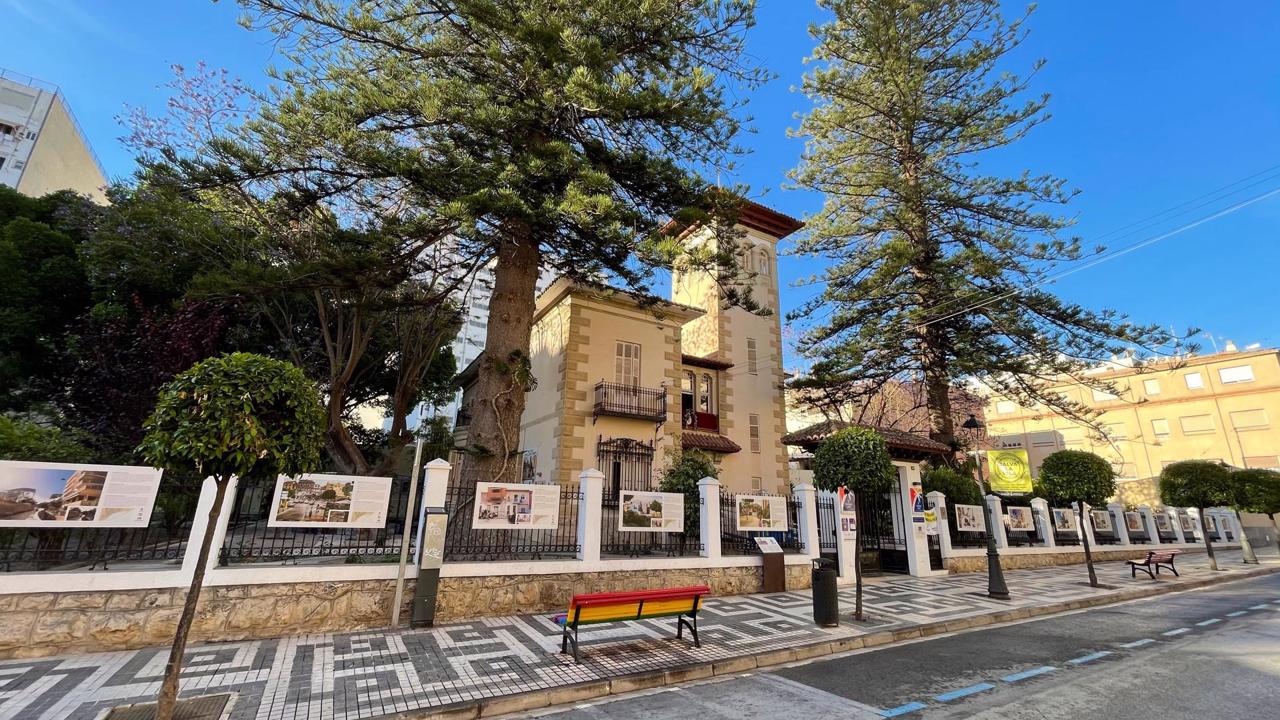
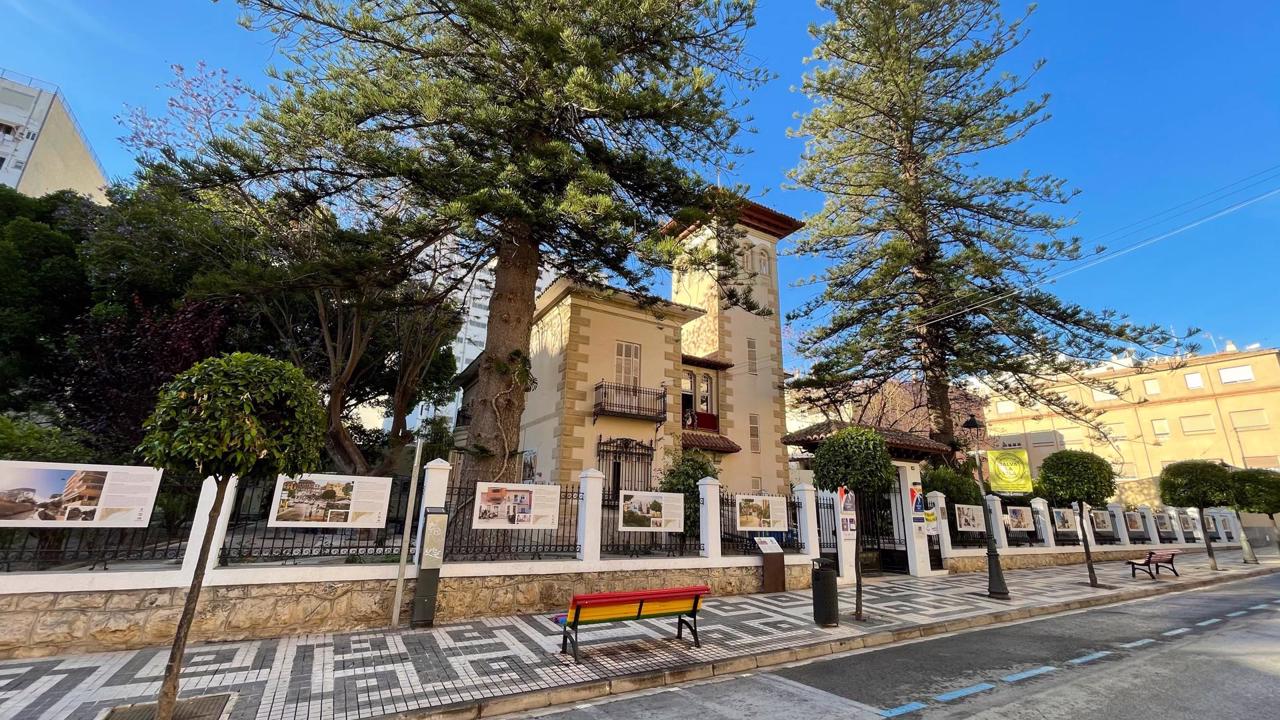
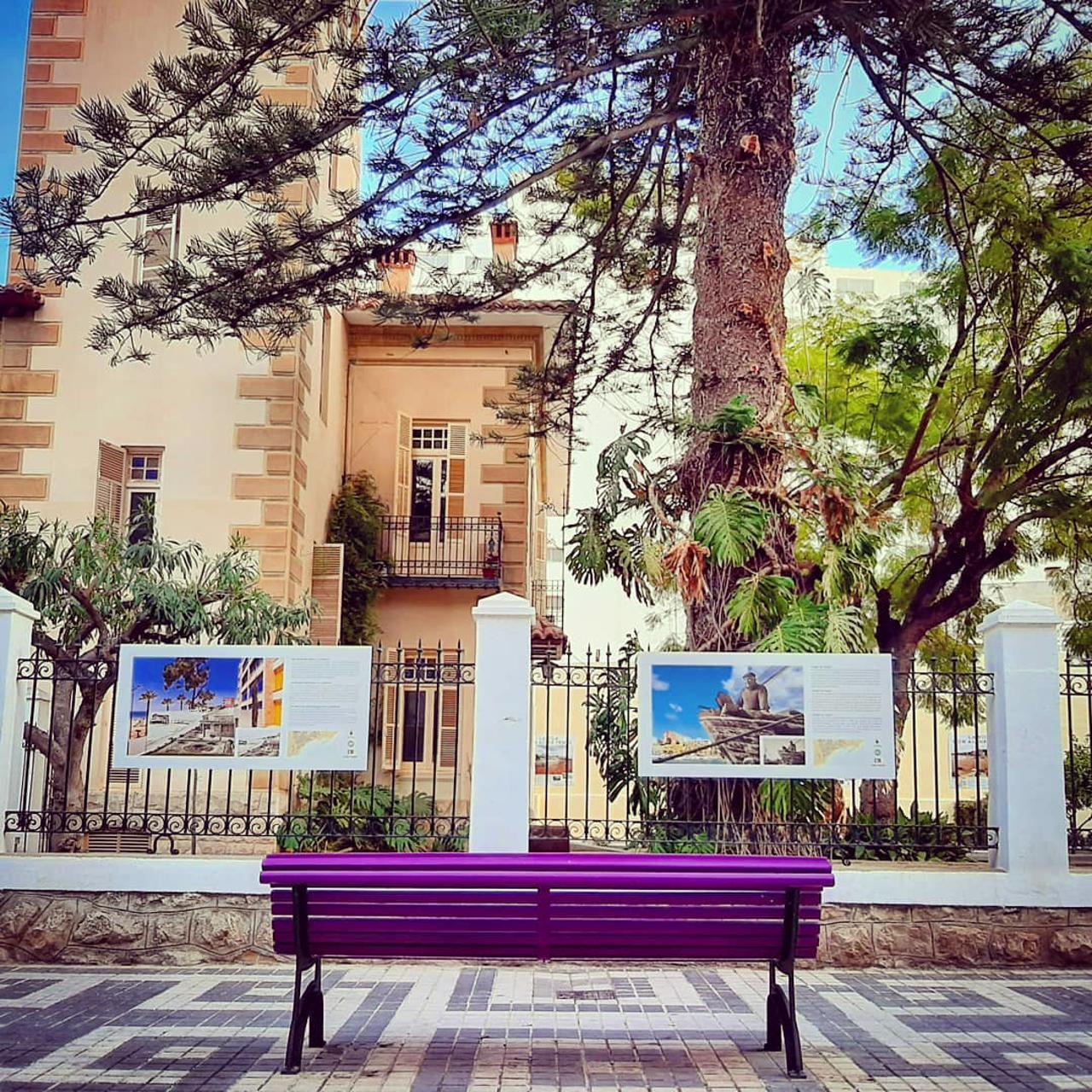
This villa, designed by architect Juan Vidal Ramos—one of Alicante’s most renowned architects and the designer, among other projects, of buildings such as the MARQ, the Provincial Council Palace, and the Central Market of Alicante—was built between 1927 and 1930. It was owned by the Centella family from the time of its construction until 2009, when it was acquired by the City Council, except during the Civil War, when it served as a hospital.
Although the building currently houses the Tourist Office and the economic development departments, its original architecture has been preserved. The building thus displays an “eclectic” style, typical of the era and its architect—a blend of classical and modern styles. For example, the east facade features a pediment reminiscent of Greek temples, topped with neo-Baroque ornamentation, while the interior includes Modernist touches and even elements of the colonial style.
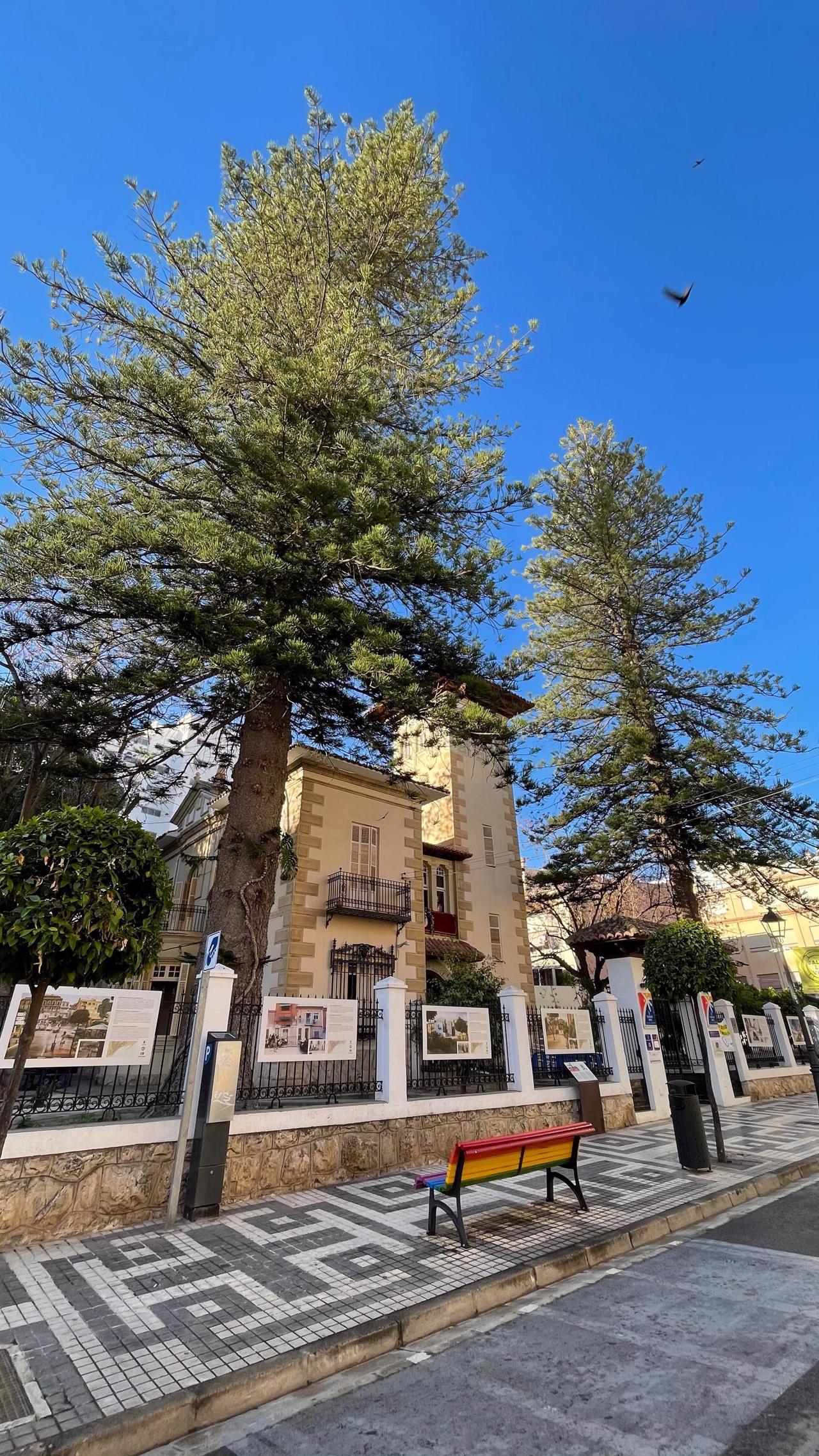
In addition to the house’s architectural significance, there is the spacious, lush garden that surrounds it, modeled after the style of medieval Andalusian palaces, with geometric pathways bordering the areas where plants and trees grow—some of which have already reached monumental proportions. The garden’s exotic species, such as bamboo and the two large araucarias flanking the main façade, were brought from different countries during the global travels of the Lloret y Llinares canning company, which was owned by the Centella family. This exotic and unique garden gave the villa a modern and cosmopolitan touch, very much to the taste of the bourgeoisie of the early 20th century.
In the center of the garden, beneath the lush canopy of a large ficus tree, stands a metal gazebo with a small octagonal fountain surrounded by benches and planters lined with colorful tiles. This very special corner of the garden has been restored exactly as it was originally, so that new generations of residents and visitors can continue to enjoy this historic botanical garden—which, incidentally, is home to one of the araucaria trees, standing at 40 meters, making it the tallest tree in the Valencian Community.