
Fish Path. Camino de Santiago from village.

The Camino de Santiago Vilero is a historic pilgrimage route that starts in Villajoyosa and leads to Santiago de Compostela, following ancient traditional paths through the interior of the province. Restored and signposted in 2015, this cultural itinerary combines historical heritage, Mediterranean landscape, and pilgrim tradition. The first stage connects Villajoyosa and Relleu over 18 kilometers and takes approximately 5 hours to complete, with a moderate level of difficulty.

Link to route.

The Camino de Santiago Vilero revives a historic pilgrimage route documented in Villajoyosa since at least the 18th century, although it was possibly used long before then by pilgrims from the Mediterranean. Several documents preserved in the Municipal Historical Archive mention, as early as 1734, the presence of Italian and Neapolitan pilgrims who began their overland journey to Santiago de Compostela from La Vila.

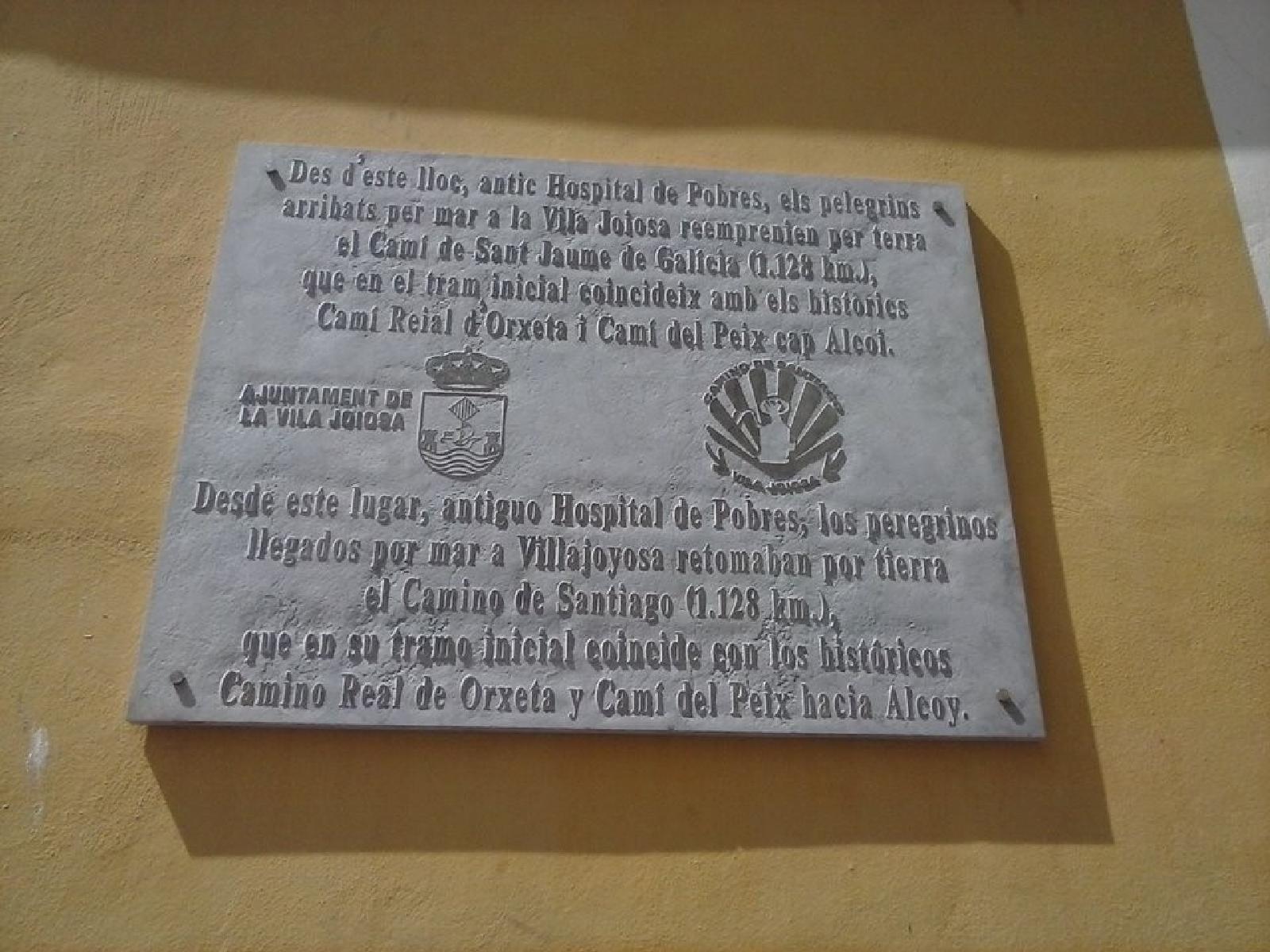
The route was rescued from oblivion and officially recognized in 2015 as part of the cultural itineraries linked to the Camino de Santiago. Its starting point is located at the former Hospital de Pobres in Villajoyosa, now the Casa de la Juventud (Youth Center), a place where pilgrims were historically cared for and welcomed before beginning their journey.

The route largely follows the old Camí del Peix, a historic communication route used for centuries to connect the coast with the inland regions. Some sections of this road have very ancient origins, with archaeological remains from the Phoenician period dating back more than 2,700 years documented in the vicinity of Villajoyosa.

The first stage of the Camino de Santiago Vilero connects Villajoyosa and Relleu over approximately 18 kilometers and takes about 5 hours to complete. The route passes through traditional orchards, ancient historical paths, the area around the Amadorio reservoir, and the mountain landscapes of the Marina Baixa region. Along the way, you can discover emblematic places such as the historic center of Villajoyosa, Carrer Llimons, the Olivera Grossa, and various historical sections of the Camí del Peix (Fish Trail).

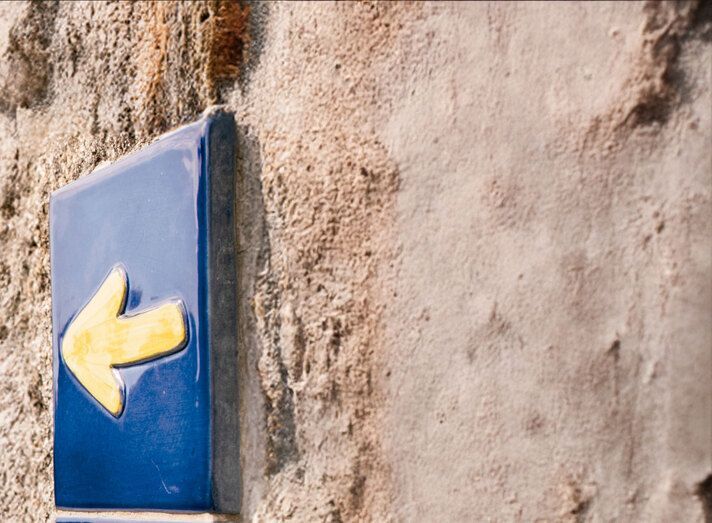
Currently, the route is signposted thanks to the collaboration between the Villajoyosa City Council, pilgrim associations and hiking groups, allowing the rediscovery of a unique part of the history and cultural heritage of Villajoyosa.

Further information:
*]:pointer-events-auto R6Vx5W_threadScrollVars scroll-mb-[calc(var(--scroll-root-safe-area-inset-bottom,0px)+var(--thread-response-height))] scroll-mt-[calc(var(--header-height)+min(200px,max(70px,20svh)))]" dir="auto" data-turn-id="request-6a0427fb-e2fc-8392-bbae-8b11ec070d3a-22" data-turn-id-container="request-6a0427fb-e2fc-8392-bbae-8b11ec070d3a-22" data-testid="conversation-turn-144" data-scroll-anchor="false" data-turn="assistant">

It is recommended to wear appropriate hiking footwear, bring sufficient water, and use sun protection. You should also check the weather forecast beforehand. Due to the length of some stages, it is advisable to plan your route in advance, especially during the warmer months. Always respect the trail signs, the natural environment, and private properties located along the path.

Image gallery

Fish Path. Camino de Santiago from village. in images

Practical Information

ADDRESS
Plaça de la Generalitat, 5, 03570 La Vila Joiosa, Alicante
SCHEDULE
OPEN ALL YEAR
TELEPHONE
966508312
EMAIL
vilamuseu@villajoyosa.es
WEB
https://vilamuseu.es/caminodesantiago
CONTACT PERSON
Department of Historical Heritage of the City Council of La Vila Joiosa
ADDITIONAL INFO:
Emergencies: 112 Villajoyosa Local Police: 96 589 01 50 Relleu Town Hall: 96 685 60 41
Share: